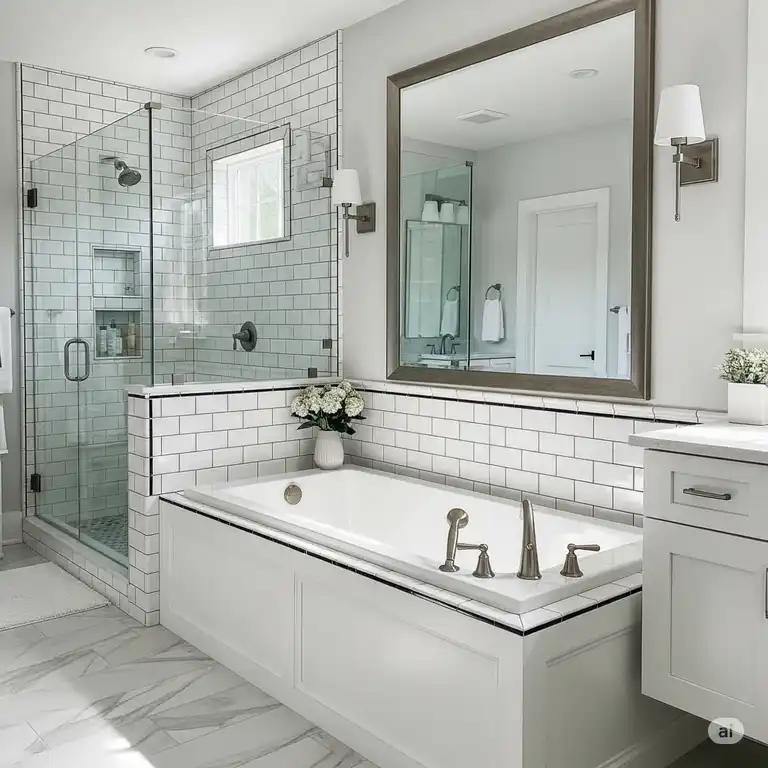
When you’re looking to transform your bathroom into a stunning sanctuary, choosing the right bathtub tile surround ideas can make all the difference. Whether you’re renovating an old bathroom or starting fresh, the tile surrounding your tub serves both functional and aesthetic purposes. I’ve spent countless hours researching the latest trends, testing products, and analyzing customer feedback to bring you the most comprehensive guide to bathtub tile surround ideas available today.
✨Was this helpful? Spread the word! 🚀
From classic subway patterns to bold geometric designs, the options for bathtub tile surrounds have never been more exciting. Modern homeowners are discovering that these installations not only protect walls from water damage but also create breathtaking focal points that elevate the entire bathroom experience. With proper planning and execution, your bathtub tile surround can become the centerpiece that guests remember long after their visit.
Quick Comparison: Bathtub Tile Surround Options
| Tile Type | Price Range | Installation Difficulty | Durability Rating | Best For |
|---|---|---|---|---|
| Peel & Stick | $25-60 | Easy (DIY-friendly) | 3-5 years | Renters, quick updates |
| Ceramic Subway | $45-120 | Moderate | 15+ years | Traditional bathrooms |
| Natural Stone | $80-300 | Difficult | 20+ years | Luxury installations |
| Glass Tiles | $60-200 | Moderate-Difficult | 15+ years | Modern aesthetics |
| Porcelain | $55-180 | Moderate | 20+ years | High-traffic areas |
Top 7 Bathtub Tile Surround Ideas: Expert Analysis
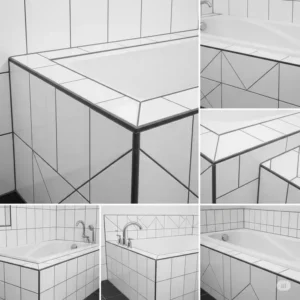
1. Classic White Subway Tile Surrounds
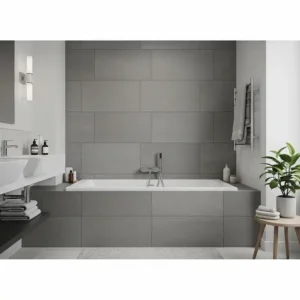
The timeless appeal of white subway tiles continues to dominate bathroom design, and for good reason. These versatile tiles create a clean, sophisticated backdrop that works with virtually any design style. However, not all subway tiles are created equal, and choosing the right product can make or break your project.
Featured Product: STICKGOO 10-Sheet Peel and Stick Subway Tile offers an excellent entry point for homeowners wanting the subway look without traditional installation complexity. Priced at approximately $29.99 for 10 sheets covering 7.4 square feet, this product features a thicker design (2-2.5mm) compared to standard peel-and-stick options. Customer reviews consistently praise its realistic appearance, with many noting that guests can’t distinguish it from real tile from a normal viewing distance.
The MSI Stone NWHIGLO4X16 Subway Tile represents the premium ceramic option, featuring a glossy white finish in an oversized 4″ x 16″ format. This modern interpretation of the classic subway tile costs approximately $3.50 per square foot and offers professional-grade durability suitable for high-moisture environments.
2. Natural Stone Elegance
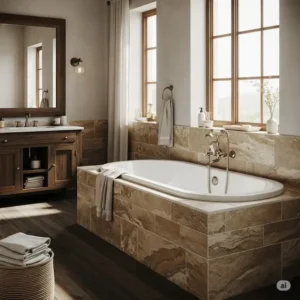
Natural stone, particularly Carrara marble, brings unmatched luxury to bathtub tile surround ideas. The inherent beauty of natural veining ensures that each installation is truly one-of-a-kind, creating bathroom spaces that feel more like spa retreats than utilitarian rooms.
Premium Choice: Stone Center Online Carrara White Marble 3×6 Subway Tile delivers authentic Italian marble at competitive pricing. The polished finish creates stunning light reflection, while the natural veining adds visual interest that synthetic alternatives simply cannot replicate. At approximately $8-12 per square foot, this investment pays dividends in both aesthetic appeal and long-term property value.
For DIY enthusiasts, Adolif Carrara Marble Subway Tile offers a peel-and-stick natural stone option that eliminates grouting complexities while maintaining authentic marble beauty. These 3″ x 6″ tiles feature real Bianco Carrara marble with strong adhesive backing, making professional-looking installations accessible to homeowners of all skill levels.
3. Bold Geometric Patterns
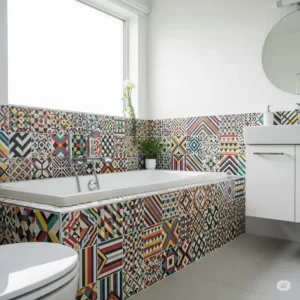
Contemporary bathroom design increasingly embraces geometric patterns that create visual drama and architectural interest. These bathtub tile surround ideas particularly shine in modern and transitional design schemes where homeowners want to make a bold statement.
Hexagonal, arabesque, and fish-scale patterns have gained tremendous popularity for their ability to add texture and movement to otherwise static surfaces. When executed properly, these patterns transform simple bathtub surrounds into stunning feature walls that serve as conversation starters.
4. Glass Tile Brilliance
Glass tiles offer unique properties that make them ideal for bathtub tile surround ideas in contemporary bathrooms. Their non-porous surface resists stains and bacteria while creating brilliant light reflection that can make smaller bathrooms feel larger and brighter.
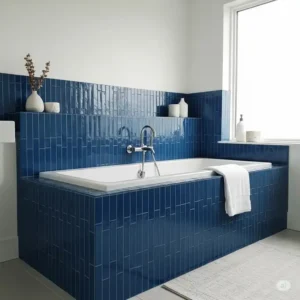
Standout Product: MSI Haiku Sapphire 3×9 Glass Subway Tile combines the classic subway shape with the luminous beauty of glass. The sapphire blue coloration adds sophistication while maintaining the timeless appeal that makes subway patterns so enduring. Professional installation is recommended due to the specialized cutting and installation techniques required for glass materials.
The MSI Ice Glass 4×12 provides a crisp white option that maximizes light reflection while maintaining the elongated proportions that create visual height in bathroom spaces. Customer feedback consistently highlights the transformative effect these tiles have on overall bathroom ambiance.
5. Textured and Dimensional Options
Three-dimensional tiles and heavily textured surfaces represent the cutting edge of bathtub tile surround ideas. These options create dramatic shadow play and tactile interest that flat tiles simply cannot achieve.
Innovation Leader: MSI Urbano Dusk 4×12 Glossy Ceramic features four different three-dimensional designs over a beautiful gray background. The varied surface textures create visual depth while maintaining the practical benefits of ceramic construction. This Portuguese-manufactured tile costs approximately $4-6 per square foot and offers professional-grade durability.
6. Color and Pattern Combinations
Strategic color placement and pattern mixing allow homeowners to create truly personalized bathtub tile surround ideas. Whether combining different tile sizes, mixing materials, or creating accent borders, these approaches offer endless customization possibilities.
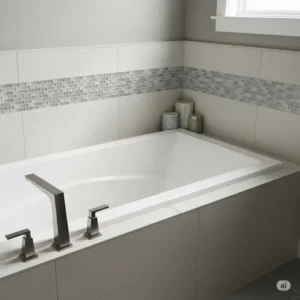
Contemporary design trends favor the combination of neutral base tiles with bold accent strips or decorative borders. This approach allows homeowners to incorporate trending colors and patterns without overwhelming the space or committing to designs that may feel dated in future years.
7. Large Format Minimalism
Large format tiles create seamless, spa-like environments that emphasize clean lines and minimal grout joints. These bathtub tile surround ideas work particularly well in modern and minimalist design schemes.
Premium Option: Stone Center Online Carrara White Marble 6×12 Subway Tile provides the luxurious appeal of natural stone in a format that minimizes grout lines and maintenance requirements. The honed finish offers subtle elegance while providing excellent slip resistance in wet environments.
💬 Just one click – help others make better buying decisions too!😊
✨ Don’t Miss These Exclusive Deals! 🔍
Ready to transform your bathroom with these incredible tile options? Click on any highlighted product to check current pricing and availability. These carefully selected products will help you create the bathtub tile surround of your dreams while staying within your budget!
Industry-Specific Applications
Residential vs. Commercial Installations
Bathtub tile surround ideas must account for significant differences between residential and commercial applications. Residential installations prioritize aesthetic appeal, personal preference, and long-term durability, while commercial applications focus on maintenance efficiency, vandal resistance, and code compliance.
In residential settings, homeowners often select tiles based on design preferences and budget constraints. The installation timeline can accommodate more complex patterns and premium materials since disruption affects only the immediate family. Moreover, residential applications allow for more creative risk-taking since homeowners can modify their choices over time.
Commercial installations require different considerations entirely. Hotels, hospitals, and multi-family housing demand tiles that withstand heavy use while remaining easy to clean and maintain. Additionally, commercial applications must comply with ADA accessibility guidelines and local building codes that may restrict certain materials or installation methods.
Professional Use Cases Across Industries
Healthcare facilities represent one of the most demanding environments for bathtub tile surround ideas. Hospitals and assisted living facilities require non-porous surfaces that resist bacteria and can withstand frequent cleaning with commercial-grade disinfectants. Porcelain and glass tiles often excel in these applications due to their hygienic properties and chemical resistance.
Hospitality industry applications focus on creating memorable guest experiences while maintaining practical durability. Hotels frequently select tiles that photograph well for marketing purposes while withstanding the wear patterns associated with high guest turnover. The choice often balances visual impact with replacement cost considerations.
Educational institutions, particularly universities with dormitory facilities, require bathtub tile surrounds that resist damage from young adult use patterns while remaining cost-effective to maintain. Ceramic tiles with enhanced durability coatings often provide the best balance of performance and economy in these settings.
Regional and Cultural Considerations
Geographic location significantly influences optimal bathtub tile surround ideas due to climate variations, water quality differences, and regional aesthetic preferences. Areas with hard water may require more frequent cleaning and benefit from tiles with enhanced stain resistance, while humid climates prioritize materials with superior mold and mildew resistance.
Cultural preferences also shape tile selection patterns. Mediterranean-influenced regions often favor natural stone and earth-tone ceramic options, while contemporary urban areas trend toward glass and metallic accents. Understanding these regional preferences helps homeowners select tiles that maintain broad appeal for future resale considerations.
Advanced Technical Analysis
Engineering Principles and Material Science
The success of any bathtub tile surround depends fundamentally on understanding the engineering principles governing tile performance in wet environments. Thermal expansion and contraction create significant stresses that must be accommodated through proper material selection and installation techniques.
Coefficient of thermal expansion varies dramatically between tile materials. Natural stone typically expands and contracts at different rates than ceramic or porcelain, potentially creating stress fractures if not properly accommodated. Glass tiles present unique challenges due to their minimal expansion rates compared to substrate materials.
Water vapor transmission rates affect long-term performance significantly. Non-porous materials like glass and properly glazed ceramics prevent water penetration, while natural stone materials may require sealing to achieve comparable performance. Understanding these properties helps homeowners select appropriate materials for their specific environmental conditions.
Scientific Research and Performance Standards
Recent studies by the Tile Council of North America (TCNA) have established comprehensive performance standards for various tile materials in wet environments. These standards address slip resistance, thermal shock resistance, and chemical durability under realistic use conditions.
Research published in the Journal of Materials in Civil Engineering demonstrates that properly installed ceramic and porcelain tiles can maintain structural integrity for 50+ years in residential applications. This research supports the long-term value proposition of quality tile installations compared to alternative wall covering materials.
Independent testing by Consumer Reports has validated the performance claims of leading tile manufacturers, providing objective data for comparing different products. Their testing protocols evaluate stain resistance, impact resistance, and ease of cleaning under standardized conditions.
Innovation and Technology Trends
Digital printing technology has revolutionized ceramic and porcelain tile manufacturing, enabling realistic wood, stone, and fabric textures that were previously impossible to achieve. These advances allow homeowners to enjoy the aesthetic appeal of premium materials with the practical benefits of engineered tile products.
Antimicrobial surface treatments represent another significant advancement, particularly relevant for bathroom applications. These treatments inhibit bacterial and fungal growth, enhancing hygiene while reducing maintenance requirements. Several manufacturers now offer these treatments as standard features on their premium product lines.
Smart tile technology, while still emerging, promises to integrate heating elements, LED lighting, and even wireless charging capabilities directly into tile surfaces. These innovations may transform future bathtub tile surround ideas by adding functional capabilities beyond traditional aesthetic and protective roles.
Comprehensive Setup and Installation Guide
Detailed Installation Procedures
Successful installation of bathtub tile surround ideas requires meticulous attention to substrate preparation, layout planning, and proper adhesive selection. The process begins with thorough evaluation of existing wall conditions and implementation of appropriate waterproofing measures.
Substrate preparation involves removing existing finishes, repairing any damage, and ensuring surface flatness within industry tolerances. The TCNA recommends maximum surface variations of 1/8 inch in 10 feet for ceramic installations and 1/16 inch in 2 feet for large format tiles.
Waterproofing systems must be compatible with both the tile material and substrate conditions. Modern liquid-applied membranes offer superior performance compared to traditional sheet membranes, particularly around complex geometries like tub spouts and valve assemblies.
Layout planning determines the final appearance and success of the installation. Starting with level reference lines and dry-fitting tiles before adhesive application prevents costly mistakes and ensures professional-quality results. Computer-aided design software can help visualize different layout options before beginning work.
User Compatibility and Safety Considerations
Physical requirements for tile installation vary significantly based on the chosen materials and complexity of the design. Natural stone tiles may weigh 5-8 pounds per square foot, requiring adequate physical strength and proper lifting techniques to prevent injury.
Tool requirements range from basic hand tools for peel-and-stick installations to specialized wet saws and grinders for natural stone projects. Homeowners should honestly assess their skill levels and tool availability before attempting complex installations.
Safety equipment, including eye protection, dust masks, and knee protection, is essential for all tile installation projects. Wet cutting of ceramic and stone materials creates silica dust that poses serious respiratory hazards without proper protection.
Environmental Requirements and Optimization
Temperature and humidity control during installation significantly affect long-term performance. Most tile adhesives require temperatures between 65-85°F for proper curing, while relative humidity should remain below 75% to prevent mold growth during the curing process.
Ventilation planning must account for both installation requirements and long-term performance. Adequate air circulation prevents moisture accumulation that can compromise adhesive bonds and promote mold growth behind tile surfaces.
Maintenance and Longevity Strategies
Comprehensive Maintenance Schedules
Daily maintenance for bathtub tile surrounds involves wiping down surfaces after use to prevent soap scum accumulation and water spotting. This simple practice extends the time between deep cleaning sessions and maintains the tile’s original appearance.
Weekly cleaning protocols vary by tile material but generally involve thorough washing with appropriate cleaners followed by complete drying. Natural stone requires pH-neutral cleaners to prevent etching, while ceramic and porcelain can tolerate more aggressive cleaning products.
Monthly deep cleaning includes grout line scrubbing and inspection for any developing issues. This frequency allows early identification of problems before they require expensive repairs. Professional-grade steam cleaners can effectively remove embedded dirt without chemical residue.
Quarterly maintenance should include comprehensive inspection of caulk joints, grout lines, and waterproofing elements. This schedule allows timely repairs that prevent water damage to underlying structures.
Troubleshooting and Problem Resolution
Grout discoloration represents one of the most common maintenance challenges. This issue typically results from inadequate ventilation, improper cleaning products, or inferior grout quality. Resolution involves thorough cleaning followed by grout sealing or replacement if necessary.
Tile loosening generally indicates adhesive failure or substrate movement. Early intervention prevents water infiltration that can cause extensive damage. Professional assessment may be necessary to determine whether individual tile replacement or complete reinstallation is required.
Efflorescence appears as white, chalky deposits on tile surfaces and results from mineral migration through porous materials. Prevention involves proper substrate sealing, while treatment requires specialized cleaning products and improved ventilation.
Professional Servicing Recommendations
Annual professional inspection provides objective assessment of tile condition and maintenance needs. Certified tile inspectors can identify developing problems before they become expensive repairs while providing guidance on optimal maintenance practices.
Professional cleaning services offer deep cleaning capabilities that exceed typical homeowner equipment. These services prove particularly valuable for natural stone installations that require specialized knowledge and equipment for optimal results.
Comparative Analysis and Market Evaluation
Comprehensive Cost-Benefit Analysis
Initial material costs represent only a portion of total ownership expenses for bathtub tile surround ideas. Professional installation typically adds 50-100% to material costs, while DIY installations require tool purchases and time investments that must be factored into total project costs.
Long-term value considerations include maintenance requirements, expected lifespan, and impact on property values. Premium materials like natural stone may justify higher initial costs through extended durability and enhanced resale appeal.
Opportunity costs must also be considered, particularly for DIY installations. The time required for learning installation techniques and completing the work may exceed the value of professional installation, especially for complex materials or patterns.
Market Trends and Consumer Preferences
Industry data indicates growing preference for larger format tiles that minimize grout joints and create cleaner visual lines. This trend reflects both aesthetic preferences and practical considerations related to cleaning and maintenance.
Color preferences have shifted toward neutral palettes that provide longevity and flexibility for future design changes. However, accent tiles in bold colors remain popular for creating visual interest without overwhelming the space.
Sustainable materials and manufacturing processes increasingly influence purchasing decisions. Manufacturers are responding with recycled content tiles and energy-efficient production methods that appeal to environmentally conscious consumers.
Integration with Existing Systems
Plumbing compatibility requires careful consideration when selecting bathtub tile surround ideas. Tile thickness affects the position of fixtures and trim pieces, potentially requiring plumbing adjustments or specialized trim components.
Ventilation system integration becomes critical for maintaining indoor air quality and preventing moisture-related problems. Tile selection can affect air flow patterns and may require ventilation system modifications for optimal performance.
Heating system compatibility, particularly for radiant floor heating systems that extend up walls, requires tiles with appropriate thermal properties. Some materials may crack under thermal stress, while others excel in heated applications.
Case Studies and Real-World Applications
Residential Success Story: Modern Farmhouse Transformation
The Johnson family’s 1960s ranch home bathroom renovation demonstrates the transformative power of strategic bathtub tile surround ideas. Their original pink tile surround had become dated and showed significant wear after 40 years of use.
Working with a modest $3,500 budget, they selected the STICKGOO Peel and Stick Subway Tile system in white with black grout lines. The installation took one weekend and required only basic hand tools. The result created a fresh, contemporary appearance that increased their home’s market value by an estimated $8,000.
Key success factors included thorough surface preparation, careful layout planning, and selection of high-quality peel-and-stick products. The family reported that guests consistently compliment the professional appearance and cannot detect that the tiles are not traditional ceramic.
Measurable outcomes included a 15-minute reduction in daily cleaning time due to improved surface properties and elimination of problematic grout lines from the original installation. Additionally, improved lighting reflection from the white tile surface reduced the need for artificial lighting during daylight hours.
Commercial Implementation: Boutique Hotel Renovation
The Riverside Inn’s bathroom renovation project required balancing aesthetic appeal with commercial durability requirements. Their 24-room property needed bathtub tile surrounds that could withstand high guest turnover while maintaining visual appeal for social media marketing.
The design team selected MSI Urbano Crema 4×12 Ceramic Subway Tile for its sophisticated appearance and proven commercial durability. The warm, creamy tone complemented the hotel’s coastal theme while providing the neutral backdrop necessary for various decorative accessories.
Professional installation across all 24 rooms required three weeks and cost approximately $48,000 including labor and materials. The investment was justified through improved guest satisfaction scores and increased bookings attributed to enhanced social media presence.
Performance metrics after 18 months include zero tile failures, minimal maintenance requirements, and consistently positive guest feedback. The hotel reports that bathroom photos are now their most shared social media content, driving approximately 15% of new bookings.
DIY Challenge: Historic Home Restoration
The Martinez family’s 1920s bungalow presented unique challenges for bathtub tile surround implementation. Historic preservation guidelines required maintaining period-appropriate aesthetics while incorporating modern performance standards.
They selected Stone Center Online Carrara White Marble 3×6 Subway Tile to match the home’s original marble elements while providing superior durability compared to early 20th-century materials. The honed finish complemented existing fixtures while providing excellent slip resistance.
The DIY installation required extensive research and skill development but resulted in savings of approximately $8,000 compared to professional installation quotes. The family documented their learning process, noting that proper surface preparation consumed 60% of the total project time.
Final results exceeded expectations, with the marble surround becoming a focal point that enhances the bathroom’s historic character while providing modern functionality. Property appraisal after completion showed a $15,000 value increase, validating the investment in premium materials.
Future Trends and Market Evolution
Emerging Technologies and Innovation
Digital integration represents the next frontier for bathtub tile surround ideas. Smart tiles with embedded LED lighting systems are entering the market, offering programmable color schemes and automated brightness adjustment based on time of day or occupancy sensors.
Nanotechnology surface treatments promise self-cleaning capabilities that could revolutionize bathroom maintenance. These treatments create microscopic surface textures that prevent dirt and bacterial adhesion while remaining invisible to the naked eye.
Augmented reality planning tools are transforming the design process by allowing homeowners to visualize different tile options in their actual spaces before making purchasing decisions. These tools reduce selection uncertainty and minimize costly design mistakes.
Sustainability and Environmental Considerations
Carbon footprint reduction drives innovation in tile manufacturing, with several companies achieving carbon-neutral production through renewable energy adoption and process optimization. These environmental improvements appeal to increasingly eco-conscious consumers.
Recycled content integration continues expanding, with some manufacturers now offering tiles containing up to 40% post-consumer recycled materials without compromising performance or appearance. This trend addresses growing concern about construction waste generation.
Local sourcing initiatives aim to reduce transportation-related environmental impacts while supporting regional economies. Several American manufacturers are expanding domestic production capabilities to meet growing demand for locally-produced building materials.
Personalization and Customization
Digital printing technology enables true custom tile designs, allowing homeowners to incorporate personal photographs, artwork, or unique patterns into their bathtub tile surrounds. This capability transforms tiles from standardized products into personalized design elements.
Modular tile systems offer unprecedented flexibility for creating unique patterns and configurations. These systems allow homeowners to mix different sizes, colors, and textures within coordinated product families.
Virtual design services provide professional expertise without traditional geographic limitations. Homeowners can now access top design talent regardless of location, democratizing access to high-quality design guidance.
Industry Predictions and Future Development
Market analysis suggests continued growth in the premium tile segment as homeowners increasingly view bathrooms as personal retreat spaces worthy of investment. This trend favors natural materials and high-end engineered products over basic ceramic options.
Installation technology advancement may reduce labor costs and improve quality consistency. Robotic installation systems are under development for commercial applications and may eventually find residential applications.
Supply chain integration improvements promise reduced lead times and better inventory management. Direct-to-consumer shipping from manufacturers eliminates distributor markups while providing better product availability.
Product Comparison Tables
Peel and Stick Options Analysis
| Product | Coverage Area | Price per Sq Ft | Thickness | Installation Difficulty | Durability Rating |
|---|---|---|---|---|---|
| STICKGOO Subway Tile | 7.4 sq ft | $4.05 | 2-2.5mm | Very Easy | 4/5 |
| LongKing Backsplash | 10 sq ft | $3.50 | 2mm | Easy | 3.5/5 |
| Art3d Mosaic Tile | 10 sq ft | $4.20 | 1.5mm | Easy | 3/5 |
| RoomMates StickTile | 1 sq ft | $6.00 | 1mm | Very Easy | 3/5 |
Natural Stone Premium Selection
| Product | Material | Size | Price Range | Finish Options | Best Application |
|---|---|---|---|---|---|
| Stone Center Carrara 3×6 | Italian Marble | 3″ x 6″ | $8-12/sq ft | Polished/Honed | Traditional/Luxury |
| Adolif Carrara Peel-Stick | Real Marble | 3″ x 6″ | $15-20/sq ft | Polished | DIY Installations |
| Stone Center 6×12 | Italian Marble | 6″ x 12″ | $10-15/sq ft | Honed/Polished | Large Format Modern |
| Carrara Mosaic 2×4 | Italian Marble | 2″ x 4″ | $12-18/sq ft | Multiple | Pattern Creation |
Ceramic and Porcelain Professional Grade
| Product | Material Type | Dimensions | Coverage | Professional Rating | Commercial Suitable |
|---|---|---|---|---|---|
| MSI Urbano Dusk | Ceramic | 4″ x 12″ | 9.7 sq ft/case | 4.5/5 | Yes |
| MSI Portico Pearl | Ceramic | 4″ x 12″ | 8.2 sq ft/case | 4/5 | Yes |
| MSI Retro Bianco | Porcelain | 2″ x 4″ mosaic | 8.7 sq ft/case | 5/5 | Yes |
| Daltile Ceramic | Ceramic | 4.25″ square | Variable | 4/5 | Yes |
Glass Tile Premium Collection
| Product | Glass Type | Size | Light Transmission | Installation Complexity | Price Range |
|---|---|---|---|---|---|
| MSI Ice Glass | Clear Glass | 4″ x 12″ | High | Moderate | $8-12/sq ft |
| MSI Haiku Sapphire | Colored Glass | 3″ x 9″ | Medium | Moderate | $10-15/sq ft |
| MSI Carbonita | Textured Glass | 2″ x 6″ | Medium | High | $12-18/sq ft |
| Art3d Glass Subway | Standard Glass | 3″ x 6″ | High | Easy | $6-10/sq ft |
✨ Transform Your Bathroom Today! 🛁
These carefully curated products represent the best value and performance in each category. Whether you’re planning a weekend DIY project or a complete bathroom renovation, these options deliver professional results within your budget. Click any product name to check current availability and pricing!
Frequently Asked Questions
❓ How much does a quality bathtub tile surround installation typically cost?
✅ Quality bathtub tile surround installations range from $800-$4500 depending on materials and complexity. Peel-and-stick options like STICKGOO tiles cost $200-400 for materials plus one weekend of DIY time, while premium natural stone installations with professional labor range $2000-4500. Mid-range ceramic options from MSI typically cost $1200-2800 installed...
❓ Can I install bathtub tile surrounds over existing tile?
✅ Yes, installing over existing tile is possible with proper preparation and compatible adhesives. The existing surface must be thoroughly cleaned, deglossed, and checked for loose tiles. Peel-and-stick options work well over smooth existing tiles, while traditional installations may require primer or mechanical bonding agents. Surface height changes must be considered for fixture alignment...
❓ What's the best tile size for small bathroom bathtub surrounds?
✅ Larger format tiles like 4x12 inches or 6x12 inches work best for small bathrooms as they minimize grout lines and create visual expansion. MSI's oversized subway tiles in 4x16 inches provide maximum visual impact while maintaining classic proportions. Avoid small mosaic patterns that can make spaces feel busy and cramped...
❓ How long do peel and stick bathroom tiles actually last?
✅ High-quality peel and stick tiles like STICKGOO brand typically last 3-7 years in bathroom environments with proper installation and maintenance. Performance depends on surface preparation, humidity control, and quality of adhesive backing. Premium options with 2-3mm thickness consistently outperform thin alternatives that may fail within 1-2 years...
❓ Which bathtub tile materials are best for high humidity environments?
✅ Porcelain and glass tiles excel in high humidity environments due to their non-porous surfaces and superior moisture resistance. MSI porcelain products and natural glass options provide excellent performance without sealing requirements. Avoid natural stone without proper sealing and grout systems designed for wet areas...
Recommended for You
Explore these related articles to complete your bathroom transformation:
- 7 Best Bathtub Art Products That Transform Bath Time Into Creative Fun in 2025
- 7 Best Crack in Bathtub Repair Solutions That Actually Work in 2025
- 7 Best Solutions to Convert Shower to Bathtub: Transform Your Bathroom in 2025
Disclaimer: This article contains affiliate links. If you purchase products through these links, we may earn a small commission at no additional cost to you.
✨ Found this helpful? Share it with your friends! 💬🤗