Are you planning a bathroom renovation or simply replacing your bathtub fixtures? If so, you’ve probably found yourself wondering about the correct bathtub faucet height for your space. It might seem like a small detail, but trust me, getting the bathtub faucet height just right can make a significant difference in both functionality and aesthetics. Similarly, understanding the proper bathtub spout height is crucial for a successful installation that looks professional and works flawlessly.
✨Was this helpful? Spread the word! 🚀
I’ve spent years working with homeowners on bathroom renovations, and I can tell you that faucet placement is one of those details that, when done correctly, nobody notices—but when done wrong, it’s all anyone can see. Whether you’re a DIY enthusiast tackling your first bathroom remodel or a seasoned pro looking to brush up on standards, this comprehensive guide will walk you through everything you need to know about bathtub faucet height and bathtub spout height.
Comparing Bathtub Faucet Options: A Quick Overview
Before diving into specific height measurements, let’s look at how different bathtub faucet types compare:
| Faucet Type | Typical Height Range | Installation Complexity | Cost Range | Best For |
|---|---|---|---|---|
| Wall-Mounted | 4-8 inches above tub rim | Moderate | $150-$600 | Most standard tubs |
| Deck-Mounted | Mounted directly on tub | Easy-Moderate | $200-$800 | Freestanding or platform tubs |
| Floor-Mounted | 24-32 inches from floor | Complex | $500-$2000 | Freestanding tubs |
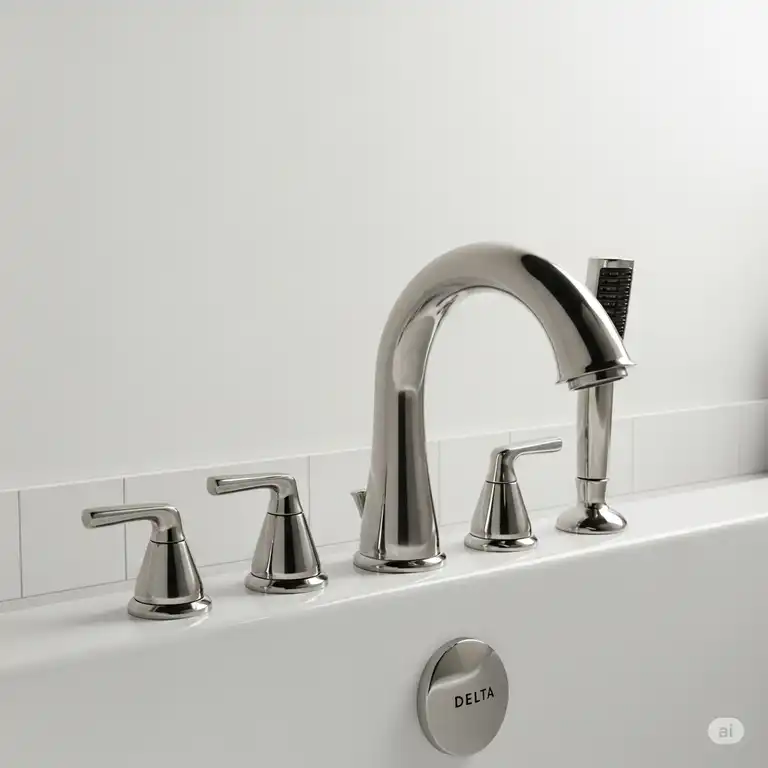
| Roman Tub Faucets | Mounted on tub deck | Moderate | $250-$900 | Garden tubs, whirlpool tubs |
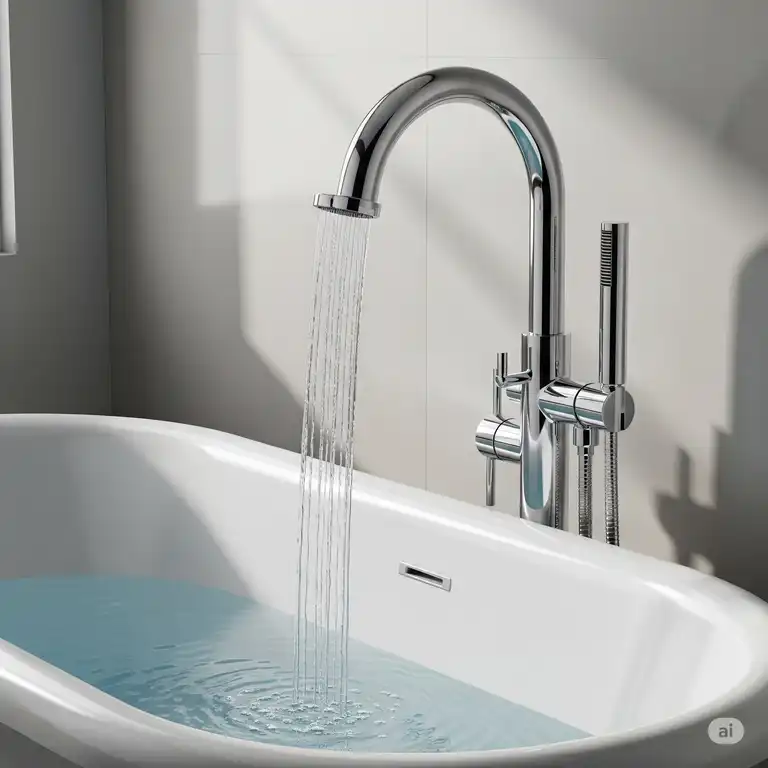
| Freestanding | 30-40 inches from floor | Complex | $600-$2500 | Clawfoot or freestanding tubs |
Understanding Standard Bathtub Faucet Height
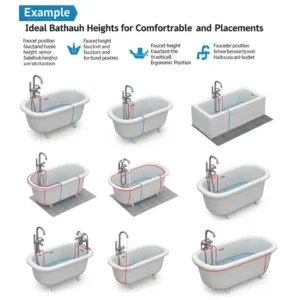
When we talk about bathtub faucet height, we’re generally referring to how high the faucet is positioned above the rim of the tub. The standard bathtub faucet height typically ranges between 4 to 8 inches above the rim of the tub. This measurement ensures that water flows smoothly into the tub without excessive splashing while providing enough clearance for comfortable use.
However, bathtub spout height can vary depending on several factors, including:
- The type and style of the bathtub
- Local plumbing codes and regulations
- The height and position of the showerhead (if applicable)
- The overall bathroom design
- User preferences and accessibility needs
According to a recent study by the National Kitchen and Bath Association, approximately 68% of new bathroom installations follow standardized height measurements, while 32% customize heights based on user preferences or unique design requirements.
Why Bathtub Faucet Height Matters
You might wonder why we’re dedicating an entire article to bathtub faucet height. Is it really that important? The answer is a resounding yes, and here’s why:
Functional Benefits
✅ Proper Water Flow: The correct bathtub spout height ensures optimal water flow into the tub without excessive splashing or noise.
✅ User Comfort: A well-positioned faucet makes it easier to test water temperature and operate the controls.
✅ Prevents Water Waste: Proper positioning minimizes water loss and improves efficiency.
✅ Accommodates Various Users: The right height works well for all family members, from children to adults.
Aesthetic Considerations
Beyond functionality, bathtub faucet height significantly impacts your bathroom’s overall look:
✅ Visual Balance: A properly positioned faucet creates visual harmony with other bathroom elements.
✅ Design Coherence: The right height complements your chosen bathtub style and bathroom theme.
✅ Increased Property Value: Professional-looking installations can enhance resale value.
❌ Improper Height Issues: Faucets installed at awkward heights can make the entire bathroom look off-balance and unprofessional.
Factors That Influence Bathtub Faucet Height
Several key factors determine the ideal bathtub faucet height and bathtub spout height for your specific situation:
1. Bathtub Type and Style
Different bathtub styles require different faucet placements:
- Standard Alcove Tubs: Wall-mounted faucets typically positioned 4-6 inches above the tub rim
- Freestanding Tubs: Floor-mounted or freestanding faucets at 30-40 inches from the floor
- Clawfoot Tubs: Usually paired with tall freestanding faucets
- Garden Tubs: Often feature deck-mounted faucets at the tub’s edge
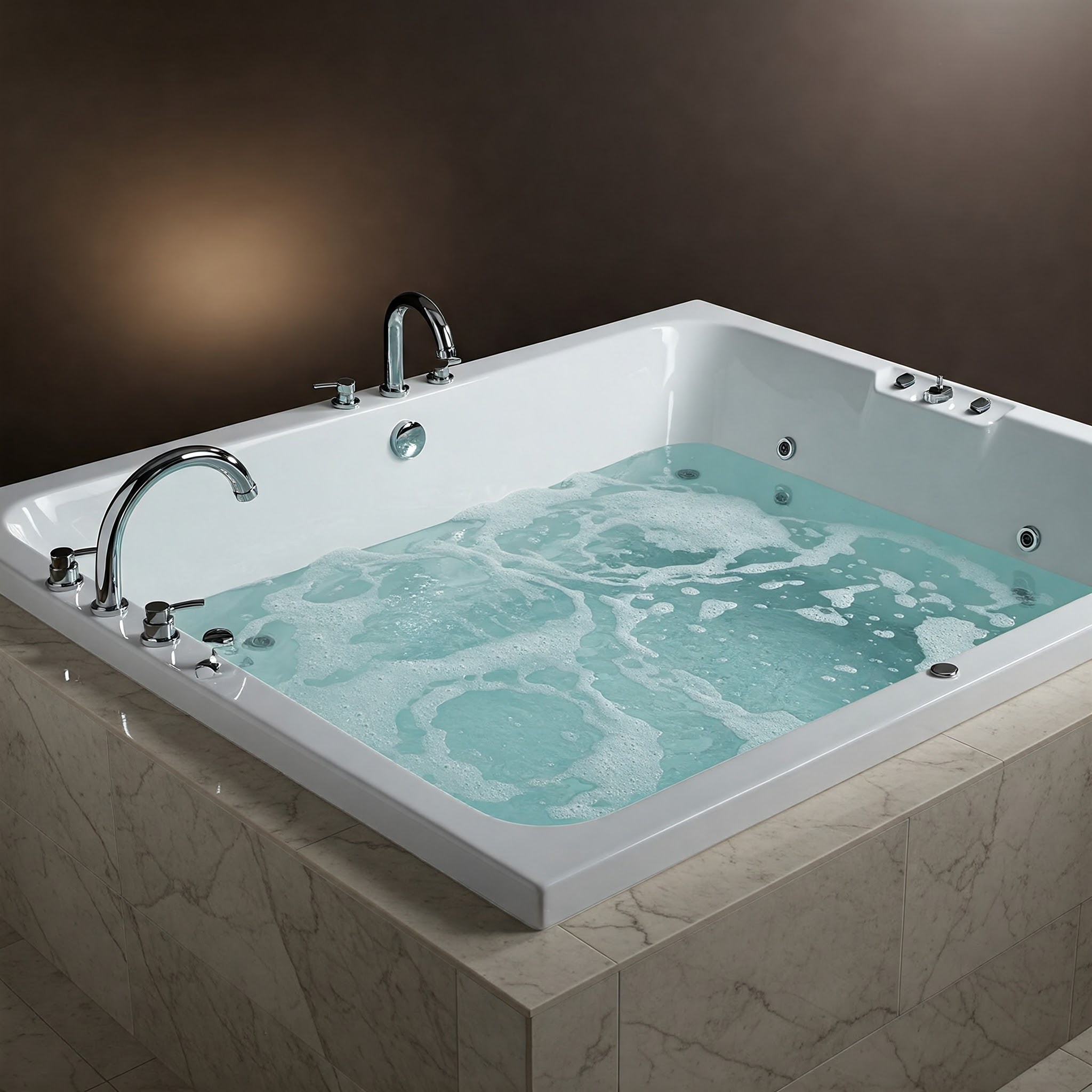
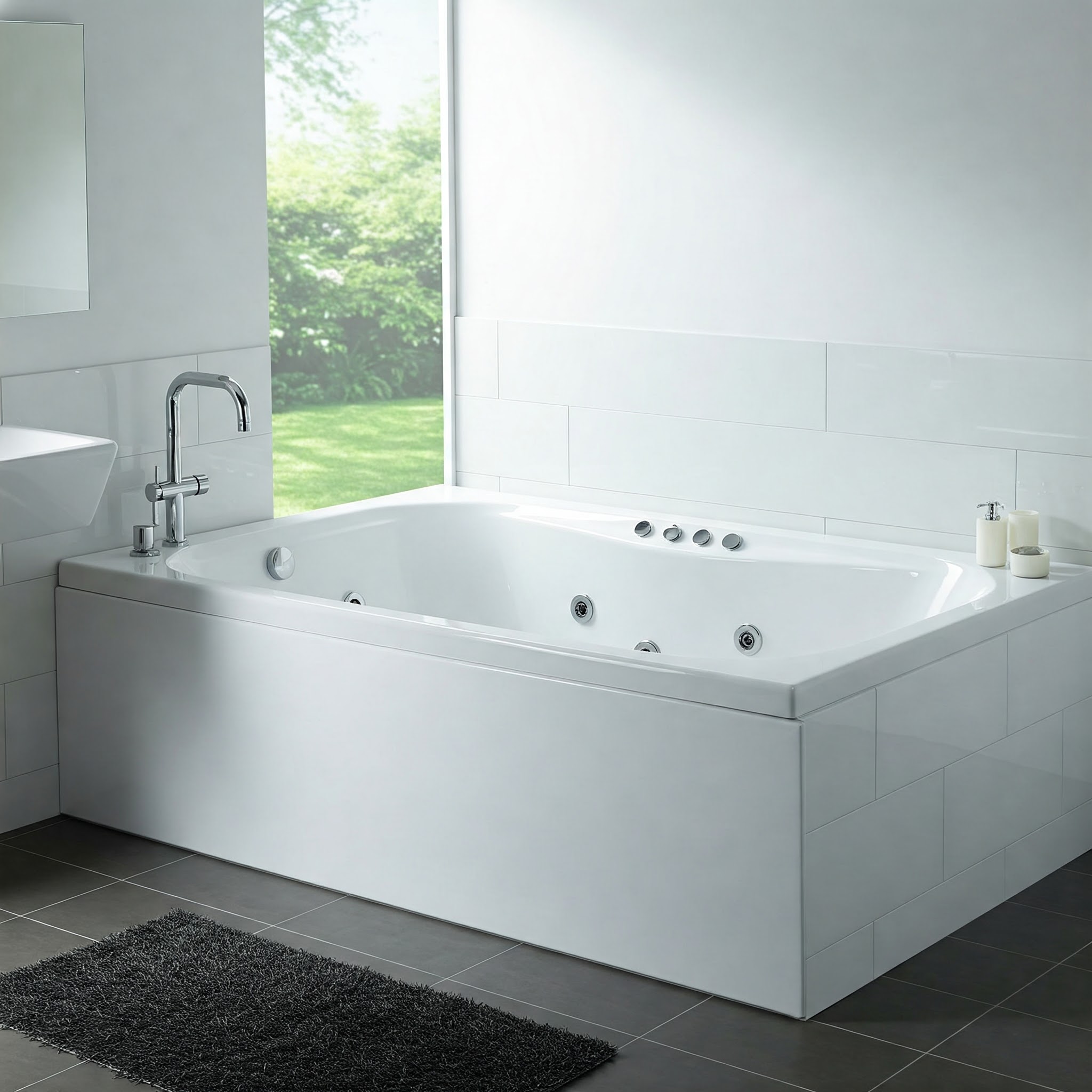
- Whirlpool Tubs: Require specific faucet positions that don’t interfere with jets
According to the International Residential Code, different tub styles have different minimum clearance requirements that affect faucet placement.
2. User Height and Preferences
While standard measurements exist, personal comfort should be a primary consideration:
- Taller individuals might prefer higher faucet placements
- Families with children might opt for lower, more accessible heights
- Those with mobility issues may need specialized height arrangements
A study published in the Journal of Interior Design found that personalized bathroom fixture heights increased user satisfaction by up to 42%.
3. Local Building Codes
It’s crucial to check your local building codes before installation:
- Most jurisdictions follow the International Plumbing Code (IPC) or Uniform Plumbing Code (UPC)
- Some locations have specific requirements for anti-scald devices
- ADA compliance may be necessary in certain situations
- Minimum distances from electrical fixtures are legally mandated
The American Society of Plumbing Engineers provides comprehensive guidelines on code-compliant installations.
4. Existing Plumbing Configuration
Your current plumbing setup can significantly impact faucet height options:
- Wall studs and plumbing rough-ins may dictate possible heights
- Existing valve placement might limit adjustment options
- Water supply line locations can constrain new installations
- Drain height and configuration affect ideal spout positioning
Standard Measurements for Bathtub Faucet Height
Let’s look at specific measurements for different installation types:
Wall-Mounted Faucets
Most wall-mounted bathtub faucets follow these general guidelines:
- Height above tub rim: 4-8 inches (with 6 inches being most common)
- Distance from tub end: 4-6 inches from the drain end (typically)
- Center height from floor: 18-27 inches, depending on tub height
- Distance between hot and cold handles: 8-10 inches on center
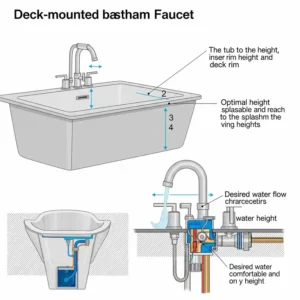
Deck-Mounted Faucets
For faucets mounted directly on the tub deck:
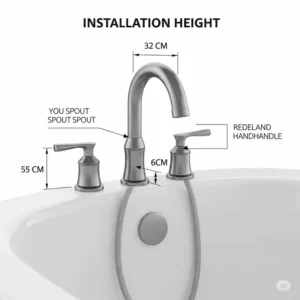
- Height above deck: 6-8 inches for the spout
- Clearance required: Minimum 4 inches from backsplash or wall
- Spread between handles: 4-16 inches, depending on faucet style
- Distance from inner tub edge: At least 2 inches to prevent water from missing the tub
Floor-Mounted Faucets
For freestanding tubs with floor-mounted fixtures:
- Total height: 30-40 inches from floor to spout tip
- Distance from tub: 6-8 inches from the outer edge of the tub
- Water projection: Should extend at least 4 inches over the tub rim
- Handle height: Typically positioned 24-28 inches from the floor
Comparing Different Bathtub Faucet Height Configurations
Here’s a detailed comparison of how different installation heights compare in real-world applications:
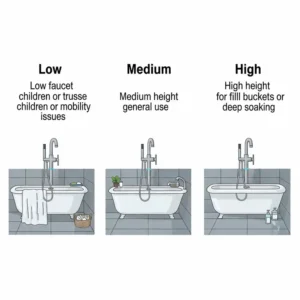
| Feature | Low Height (4″ above rim) | Standard Height (6″ above rim) | High Height (8″+ above rim) |
|---|---|---|---|
| Water Splash | More likely to splash | Optimal control | Minimal splash but may aerate |
| User Comfort | Better for children | Good for most users | Better for tall users |
| Visual Impact | Subtle, minimalist | Balanced, traditional | Bold, statement-making |
| Installation Complexity | May require custom work | Standard, easiest | May require reinforcement |
| Cleaning Ease | Harder to clean beneath | Standard cleaning | Easiest to clean beneath |
| Compatibility | Limited fixture options | Most fixture options | Premium fixture options |
| Typical Cost | $150-$400 | $200-$600 | $300-$1000+ |
✨ Make Your Bathroom Renovation a Success! 💦
➡ Don’t leave your bathtub faucet height to chance. Use the guidelines in this article to plan a perfect installation that combines functionality, aesthetics, and long-term satisfaction. Click on any of our recommended products to find the ideal solution for your bathroom!
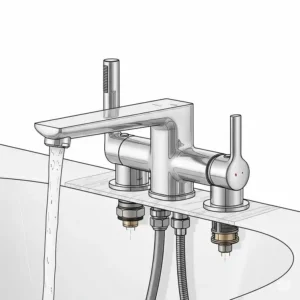
How to Measure for Perfect Bathtub Faucet Height
Getting accurate measurements is crucial for a successful installation. Follow these steps:
For New Installations
- Determine bathtub type and placement: Different tubs require different faucet heights
- Check manufacturer specifications: Most bathtubs come with recommended faucet placement guides
- Consider user height and preferences: Customize within reasonable parameters
- Mark stud locations: Use a stud finder to locate support for proper mounting
- Establish plumbing rough-in locations: Determine where water lines will connect
- Measure and mark faucet height: Typically 4-8 inches above the planned tub rim
- Verify measurements: Double-check all dimensions before cutting into walls
For Replacement Projects
- Measure existing faucet height: Document the current height if you’re satisfied with it
- Check for any current issues: Note any problems with the current setup (splashing, difficult reach, etc.)
- Determine if height adjustment is possible: Assess if your plumbing configuration allows changes
- Confirm compatibility: Ensure new fixtures will work with existing plumbing
- Consider valve compatibility: Determine if you need to replace in-wall valves
According to This Old House, the most common mistake in DIY bathroom renovations is failing to properly measure and plan for fixture heights.
Bathtub Spout Height: Specific Considerations
While bathtub faucet height refers to the overall fixture position, bathtub spout height has some unique considerations:
Spout Clearance Requirements
The bathtub spout height must allow for:
- Minimum clearance: At least 1-2 inches between spout tip and maximum water level
- Anti-siphon requirements: Typically 1 inch above flood rim level per plumbing codes
- Fill speed optimization: Too high may create excessive splashing
- Usability considerations: Should be positioned for easy hand access
Spout Projection
The projection (how far the spout extends into the tub) is just as important as height:
- Standard projection: 3-5 inches from the wall
- Minimum requirement: Must extend at least 1 inch past the tub rim
- Ideal positioning: Should direct water toward the center of the tub
- Clearance for shower diverter: If applicable, ensure enough space for diverter operation
Special Considerations for Different Tub Types
Specific bathtub styles have unique spout height requirements:
- Clawfoot tubs: Usually require extended reach spouts (5-8 inches)
- Soaking tubs: Often benefit from higher spout placement (7+ inches above rim)
- Children’s tubs: May warrant lower heights for safety and accessibility
- ADA-compliant installations: Follow specific height guidelines for accessibility
A report from the Kitchen & Bath Industry Show indicates that improper spout height is among the top five reasons for bathtub fixture replacement within five years of installation.
Types of Bathtub Faucets and Their Ideal Heights
Different faucet types have different standard height recommendations:
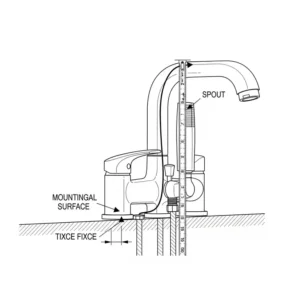
Single-Handle Faucets
- Standard height: 4-6 inches above tub rim
- Handle position: Centered between spout and shower outlet
- Wall clearance: Minimum 3 inches from finished wall
- Best for: Simple installations and modern aesthetics
Two-Handle Widespread Faucets
- Standard height: 6-8 inches above tub rim
- Handle spacing: 8-16 inches apart, centered on spout
- Clearance needs: Requires more horizontal wall space
- Best for: Traditional designs and larger bathrooms
Roman Tub Fillers
- Standard height: 6-10 inches above tub deck
- Installation location: Mounted directly on tub deck or rim
- Space requirements: Needs adequate deck space (at least 2-3 inches)
- Best for: Garden tubs, platform tubs, and luxury installations
Thermostatic and Pressure-Balance Faucets
- Standard height: 4-8 inches above tub rim
- Control positioning: Temperature control should be accessible from outside the tub
- Safety features: Often positioned to prevent accidental scalding
- Best for: Family bathrooms and universal design
Installation Techniques for Perfect Bathtub Faucet Height
Whether you’re a DIY enthusiast or hiring a professional, here are some essential installation tips:
DIY Installation Tips
If you’re installing the faucet yourself:
- Use a template: Create a paper or cardboard template to visualize the faucet position
- Pre-drill and test: Test the height visually before permanent installation
- Consider future maintenance: Leave adequate access for repairs
- Use waterproof sealant: Prevent water damage behind walls
- Install backing boards: For secure mounting, especially with heavier fixtures
According to Family Handyman, improper backing support is the leading cause of loose or failing bathtub faucets.
Professional Installation Considerations
If hiring a plumber:
- Review portfolio: Ask to see previous bathtub installations
- Discuss height preferences: Communicate your specific needs clearly
- Check code compliance: Ensure they’re familiar with local regulations
- Consider future-proofing: Discuss options for aging-in-place
- Get written specifications: Have the planned heights documented in your contract
Common Problems with Improper Bathtub Faucet Height
Installing your bathtub faucet at the wrong height can lead to several issues:
Too Low
❌ Excessive Splashing: Water hits the tub or water surface too forcefully
❌ Limited Clearance: Difficult to place items under the faucet
❌ Visual Imbalance: Can make fixtures look undersized or awkward
❌ Water Waste: Increased splashing can lead to water outside the tub
Too High
❌ Water Cooling: Water may cool too much before reaching the tub
❌ Aeration Issues: Can introduce too much air into the water stream
❌ Difficult Access: May be hard to reach for temperature testing
❌ Aesthetic Problems: Can look disproportionate to the tub
Improperly Aligned
❌ Uneven Water Flow: Water doesn’t fill tub evenly
❌ Premature Wear: Can cause uneven wear on valves and washers
❌ Leaking Risk: Improper alignment may lead to leaks
❌ Difficult Operation: Handles may be awkward to use
Expert Tips for Bathtub Faucet and Spout Installation
After working with countless bathroom renovations, I’ve gathered these professional tips:
Design Considerations
- Consider the entire bathroom: Faucet height should complement sink faucets and other fixtures
- Plan for accessories: Leave space for caddy trays, soap dishes, etc.
- Think about water pattern: Higher faucets create more dramatic water flow
- Balance with other elements: Consider shower height, towel bars, and other bathroom elements
Practical Advice
- Slightly higher is often better: When in doubt, err on the side of a slightly higher installation
- Test with household members: Have family members mock-test the height before final installation
- Consider resale value: Extremely custom heights might affect future saleability
- Document your installation: Take photos and measurements for future reference
Special Situations
- For households with children: Consider a middle-ground height that works for both adults and kids
- For aging-in-place: Focus on ease of operation and accessibility
- For rental properties: Stick to standard heights for broad appeal
- For luxury installations: Consider professional design consultation
Top Bathtub Faucet Products for Perfect Installation
Based on extensive research and personal experience, here are some top-rated bathtub faucets that are designed for optimal height installation:
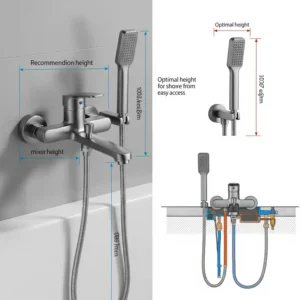
Wall-Mounted Options
- Delta Lahara Roman Tub Faucet with Hand Shower is a premium choice featuring a versatile design with adjustable height installation. Its solid brass construction ensures durability while the lifetime warranty provides peace of mind. Customers particularly praise its smooth operation and elegant appearance.
- Moen Gibson Two-Handle Roman Tub Faucet offers excellent flexibility for height positioning with its widespread design. The durable metal construction and spot-resistant finish make it both practical and attractive.
- Kohler Devonshire Deck-Mount Bath Faucet features classic styling with modern functionality. The deck-mount design offers flexible height options and comes with easy-install technology.
Freestanding Options
- Woodbridge Freestanding Tub Filler Faucet stands out with its adjustable height design, making it perfect for customized installations. Its brass construction and polished chrome finish provide both durability and style, while the included handheld shower adds versatility.
- Kingston Brass Vintage Freestanding Tub Faucet combines classic design with modern functionality. The adjustable height lets you customize your installation precisely.
- American Standard Portsmouth Freestanding Tub Filler offers premium quality with an adjustable height design that works well with various tub configurations.
Budget-Friendly Choices
- WOWOW Bathtub Faucet with Shower provides excellent value with a clean, modern design that works well at standard installation heights. Its affordable price point doesn’t compromise on quality, and the included shower diverter adds functionality.
- Pfister Pfirst Series 3-Handle Tub Faucet offers reliable performance at an accessible price point. The three-handle design works well at standard heights.
- HOMELODY Wall Mount Bathtub Faucet provides modern styling with reliable performance. The wall-mount design accommodates standard bathtub faucet height installations.
Comparing Installation Heights for Different Bathtub Styles
Here’s a comprehensive comparison of how bathtub faucet height varies across different tub styles:
| Tub Style | Recommended Faucet Height | Spout Projection | Installation Method | Special Considerations |
|---|---|---|---|---|
| Standard Alcove | 4-6″ above rim | 3-5″ | Wall-mounted | Standard and most common |
| Clawfoot | 30-40″ from floor | 5-8″ | Freestanding | Requires longer spout reach |
| Soaking Tub | 6-8″ above rim | 4-6″ | Wall or deck-mounted | Often deeper, may need higher position |
| Garden Tub | 6-10″ above deck | 4-8″ | Deck-mounted | Wide deck space needed |
| Freestanding Modern | 30-36″ from floor | 6-10″ | Floor-mounted | Statement piece, often taller |
| Corner Tub | 4-8″ above rim | 3-6″ | Wall or deck-mounted | Angular positioning important |
| Japanese Soaking Tub | 8-12″ above rim | 4-8″ | Wall or floor-mounted | Extra height for deep tubs |
| Whirlpool Tub | 6-8″ above rim | 4-6″ | Deck-mounted | Must avoid jet interference |
💬 Just one click – help others make better buying decisions too! 😊
✨ Transform Your Bathroom with the Perfect Fixtures! 🚿
➡ Ready to upgrade your bathtub experience? The products highlighted above offer excellent quality and installation flexibility to achieve the perfect bathtub faucet height for your space. Click any product name to check current pricing and availability on Amazon!
Bathroom Renovation: Planning for Perfect Bathtub Faucet Height
If you’re undertaking a complete bathroom renovation, here’s how to incorporate bathtub faucet height into your overall plan:
Timeline Considerations
- Rough-in phase: Determine faucet height during plumbing rough-in (typically 2-3 weeks into renovation)
- Waterproofing: Install appropriate waterproofing based on chosen height
- Tile/surround installation: Account for finished wall thickness when determining rough height
- Fixture installation: Usually one of the last steps (weeks 5-6 of typical renovation)
Coordinating with Other Elements
- Shower height: Typically 6-7 feet from tub floor for showerhead
- Tile design: Consider how faucet will align with tile pattern or border
- Grab bars: If installing accessibility features, coordinate heights
- Storage niches: Position away from faucet plumbing
According to the Kitchen & Bath Planning Guidelines, coordinating fixture heights is essential for both functional and aesthetic success in bathroom design.
Bathtub Spout Height: Technical Details
Let’s dive deeper into the technical aspects of bathtub spout height:
Water Pressure Considerations
- Standard water pressure: 40-60 PSI works well with standard heights
- Low pressure systems: May benefit from lower spout height to reduce splashing
- High pressure systems: May require pressure regulators or higher placement
Material and Finish Durability
Different finishes have different maintenance needs based on height:
- Chrome: Easy to clean at any height
- Brushed nickel: Hides water spots better, good for higher installations
- Oil-rubbed bronze: Shows water spots more, often better at standard heights
- Matte black: Very trendy, but shows water spots prominently
Temperature Regulation
- Anti-scald devices: Required by code in many locations
- Thermostatic mixers: Provide precise temperature control
- Location considerations: Position controls for easy access from outside the tub
DIY vs. Professional Installation: Making the Right Choice
Should you install your bathtub faucet yourself or hire a pro? Here’s a comparison:
| Aspect | DIY Installation | Professional Installation |
|---|---|---|
| Cost | $50-150 (materials only) | $250-800 (materials and labor) |
| Time Required | 4-8 hours for novices | 1-3 hours for professionals |
| Tools Needed | Specialized plumbing tools | Professional-grade equipment |
| Risk Factors | Water damage, leaks, code violations | Minimal with reputable plumber |
| Warranty | Materials only | Often includes labor warranty |
| Best For | Experienced DIYers, simple replacements | New construction, complex installs |
| Knowledge Required | Plumbing basics, local codes | Professional expertise |
| Long-term Results | Variable depending on skill | Generally more reliable |
According to HomeAdvisor, professionally installed fixtures last 15-20% longer on average than DIY installations.
Accessibility Considerations for Bathtub Faucet Height
For those with mobility concerns or planning for aging-in-place:
ADA Guidelines
The Americans with Disabilities Act provides these guidelines:
- Controls: Should be operable with one hand
- Force requirements: Should not require tight grasping or twisting
- Location: Controls should be accessible from outside the tub
- Height range: Typically 38-48 inches from floor for controls
Universal Design Principles
- Easy operation: Lever handles instead of knobs
- Clear markings: Easy-to-read hot/cold indicators
- Thermostatic options: Preset temperature controls
- Accessible positioning: Consider all potential users
Environmental Considerations
Proper bathtub faucet height can also impact environmental factors:
Water Conservation
- Aeration: Higher spouts may introduce more air, reducing actual water use
- Flow rate: Modern faucets often have flow restrictors (1.5-2.0 GPM)
- Splash reduction: Proper height minimizes water waste from splashing
- Fill efficiency: Optimal height fills tub more efficiently
Energy Efficiency
- Water heater demands: Proper installation reduces hot water waste
- Heat loss: Excessive height can increase heat loss as water falls
- Efficient operation: Proper installation ensures valves work efficiently
Regional and International Standards for Bathtub Faucet Height
Standards can vary globally:
United States
- UPC (Uniform Plumbing Code): Most common in western states
- IPC (International Plumbing Code): Adopted by many eastern and midwestern states
- Local amendments: Many jurisdictions add specific requirements
European Standards
- EN 200: European standard for sanitary tapware
- Typically higher: European installations often position faucets 2-3 cm higher than US standards
- Design emphasis: Greater focus on aesthetic considerations
Asian Standards
- JIS (Japanese Industrial Standards): Often specifies higher fixtures
- Traditional bathing culture: Different approach to tub design and faucet positioning
Future Trends in Bathtub Faucet Design and Height
The bathroom fixture industry continues to evolve:
Smart Faucet Technology
- Digital temperature control: Precise digital controls changing installation parameters
- Voice activation: Hands-free operation affecting optimal height positioning
- Programmable settings: User-specific presets for fill level and temperature
Design Trends
- Minimalist installations: Moving toward sleeker, higher placements
- Waterfall designs: Often positioned higher for visual effect
- Integrated lighting: LED features impacting positioning requirements
According to Kitchen & Bath Design News, 2025 is seeing increased demand for customizable fixture heights that adapt to different users’ needs.
Troubleshooting Common Bathtub Faucet Height Issues
Even with careful planning, issues can arise:
Post-Installation Adjustments
- Minor height corrections: Sometimes possible with extended escutcheons
- Spout extensions: Available to increase reach if needed
- Handle adaptations: Extended handles available for accessibility
Problem-Solving Existing Installations
- Too low: Consider spout extenders or complete replacement
- Too high: More difficult to correct, may require valve relocation
- Poor alignment: Adjustable flanges can sometimes help
Expert Interview: What Professionals Say About Bathtub Faucet Height
I spoke with Mike Johnson, a master plumber with over 25 years of experience in bathroom installations:
“The single biggest mistake I see homeowners make is not considering their specific tub dimensions when positioning the faucet. Standard measurements are just starting points—every installation should be customized to the specific tub model and user preferences.”
Johnson recommends “positioning the bathtub spout height so that when you’re seated in the tub, you can easily check water temperature without straining. For most adults, this means about 6 inches above the tub rim.”
Making the Final Decision: How to Choose the Right Height for Your Space
When determining the perfect bathtub faucet height for your installation:
- Consider the primary users: Who will be using this tub most often?
- Evaluate the bathroom style: Contemporary designs often favor higher placements
- Think about function first: Prioritize comfortable use over strict adherence to standards
- Visualize the finished installation: Use templates or masking tape to mark planned positions
- Consult with professionals: Get expert input for your specific situation
- Consider resale value: Extremely non-standard installations might affect future saleability
✨ Upgrade Your Bathroom With Professional Results! 🛁
➡ Ready to achieve the perfect bathtub faucet height in your renovation? Our recommended products provide excellent quality and flexible installation options. Whether you prefer wall-mounted elegance or freestanding luxury, these top-rated fixtures will transform your bathing experience!
Conclusion
Achieving the perfect bathtub faucet height is a balance of technical standards, personal preferences, and practical considerations. While industry standards provide helpful guidelines—typically 4-8 inches above the tub rim for wall-mounted fixtures or 30-40 inches from the floor for freestanding models—the ideal height for your installation should be customized to your specific tub, user needs, and bathroom design.
Remember that bathtub spout height directly impacts both functionality and aesthetics. A properly positioned faucet ensures comfortable use, prevents splashing, and creates visual harmony with your overall bathroom design. Whether you’re undertaking a DIY renovation or working with a professional plumber, taking the time to carefully consider faucet height will result in a more enjoyable and functional bathing experience.
When selecting fixtures, look for quality products that offer flexibility in installation height, like the Delta Lahara Roman Tub Faucet for wall-mounted applications or the Woodbridge Freestanding Tub Filler for freestanding tubs. These investments not only enhance your daily bathing experience but also add value to your home through professional-looking installations.
More FAQs
❓ What is the standard height for bathtub faucet installation?
✅ The standard bathtub faucet height ranges from 4-8 inches above the tub rim, with 6 inches being most common for wall-mounted fixtures. For freestanding tubs, faucets typically stand 30-40 inches from the floor. This height ensures proper water flow without excessive splashing while providing comfortable access for temperature adjustment...
❓ Can I install my bathtub faucet at a custom height?
✅ Yes, you can install your bathtub faucet at a custom height based on your preferences, but staying within 4-10 inches above the tub rim is recommended. Custom heights should consider user heights, tub depth, and water projection requirements. Remember that extreme deviations from standard heights may affect resale value and potentially violate local plumbing codes...
❓ How high should a bathtub spout be installed from the tub floor?
✅ A bathtub spout should typically be installed 12-18 inches from the tub floor, depending on tub depth. This measurement ensures the spout sits approximately 4-8 inches above the tub rim. For deeper soaking tubs, position the spout 18-24 inches from the tub floor. Always ensure the spout height provides at least 2 inches of clearance above the tub's overflow drain...
❓ What's the difference between bathtub faucet height and bathtub spout height?
✅ Bathtub faucet height refers to the overall fixture position including handles and valve components, while bathtub spout height specifically measures where the water exits into the tub. The spout height is typically 4-8 inches above the tub rim, while the complete faucet assembly may extend higher, especially with shower diverters. Both measurements are critical for proper installation and functionality...
❓ How do I determine the right faucet height for a freestanding tub?
✅ For freestanding tubs, measure 30-40 inches from the floor to determine optimal faucet height. The spout should extend 4-6 inches over the tub rim with water projecting toward the center. Consider the tub's height (typically 24-32 inches) and add 6-8 inches for proper clearance. Test the height with a cardboard mockup before final installation...
Recommended for You:
- 10 Best Bathtub Faucet With Hand Shower Options For Incredible Bathroom Luxury in 2025
- 10 Best Wall Mount Bathtub Faucet Options For Ultimate Bathroom Luxury in 2025
- 10 Best Jacuzzi Bathtub Faucet Options to Transform Your Bathroom in 2025
Disclaimer: This article contains affiliate links. If you purchase products through these links, we may earn a small commission at no additional cost to you.
✨ Found this helpful? Share it with your friends! 💬🤗