Have you ever turned on your bathtub faucet only to be greeted by an annoying drip, an unexpected spray, or worse—no water at all? You’re not alone. According to a study by the Environmental Protection Agency, the average household’s leaks can account for nearly 10,000 gallons of water wasted every year, and bathtub faucets are among the most common culprits. As a homeowner who has replaced countless bathtub fixtures over the years, I’ve learned that understanding bathtub faucet replacement parts is not just about fixing problems—it’s about saving money, conserving water, and extending the life of your bathroom fixtures.
✨Was this helpful? Spread the word!🚀
In this comprehensive guide, we’ll dive deep into everything you need to know about bathtub faucet replacement parts. From identifying the various components of a bathtub faucet to selecting the right replacement kit for your specific model, I’ll share my expertise and practical tips to help you navigate the sometimes confusing world of plumbing repairs.
Whether you’re a DIY enthusiast looking to tackle your first faucet repair or a homeowner trying to make informed decisions about which bathtub faucet parts to purchase, this guide has you covered. By the end, you’ll have the knowledge and confidence to identify, purchase, and install the right bathtub faucet replacement parts for your home.
Comparison: Replacing vs. Repairing Bathtub Faucet Parts
| Aspect | Complete Replacement | Partial Repair (Using Replacement Parts) |
|---|---|---|
| Cost | $150-$500+ | $15-$100 |
| Time Required | 2-4 hours | 30 minutes – 2 hours |
| Skill Level | Moderate-High | Beginner-Moderate |
| Tools Needed | Many specialized tools | Basic tools |
| Water Savings | May improve efficiency | Eliminates leaks |
| Aesthetic Change | Complete new look | Maintains current appearance |
| Longevity | 15-20 years | 5-10 years |
| Environmental Impact | Higher (more materials) | Lower (less waste) |
Understanding the Parts of a Bathtub Faucet
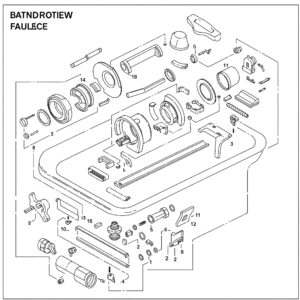
Before diving into replacements, it’s crucial to understand the anatomy of your bathtub faucet. When I first attempted to fix my leaky tub faucet, I spent hours trying to identify which bathtub faucet parts were causing the problem. Let me save you that frustration by breaking down the essential components.
The Essential Components of Bathtub Faucets
A typical bathtub faucet consists of several key parts of a bathtub faucet that work together to control water flow and temperature. Let’s examine each one:
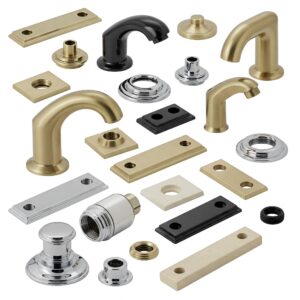
- Handle/Knob: This is the part you interact with to control water flow and temperature. Handles can be lever-style, cross-style, or knob-style depending on the faucet design.
- Escutcheon/Trim Plate: This decorative piece covers the hole in the wall and provides a finished look around the valve.
- Stem/Cartridge: The heart of the faucet operation, controlling water flow and mixing. This is among the most common bathtub faucet pieces that need replacement when leaks occur.
- Valve Body: Hidden inside the wall, this houses the cartridge or stem assembly and connects to your home’s water supply.
- Spout: The visible part where water flows into your tub, which can be wall-mounted or deck-mounted.
- Diverter: Allows you to switch water flow between the tub spout and showerhead.
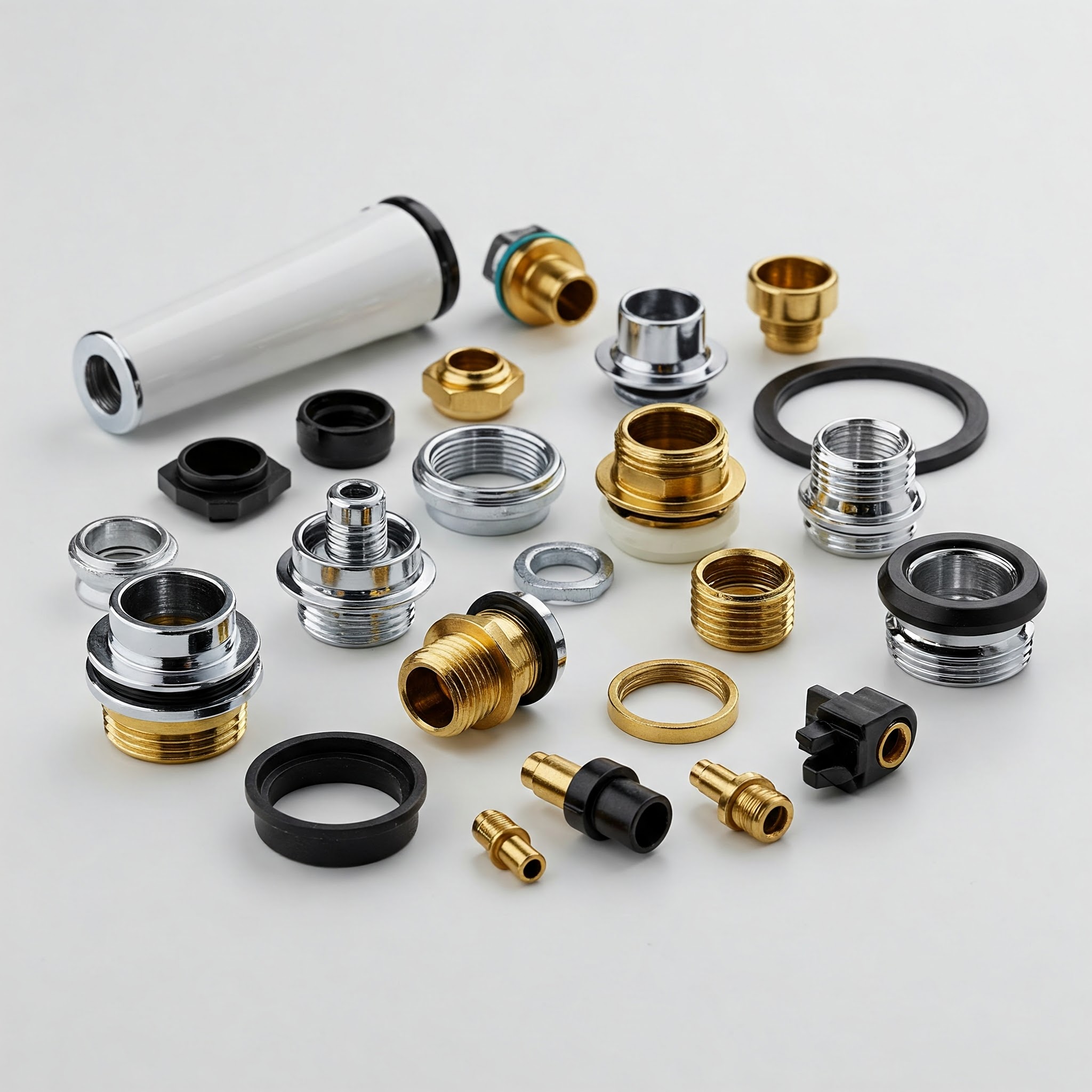
- O-rings and Washers: Small rubber parts that create watertight seals throughout the faucet assembly.
- Mounting Hardware: Nuts, screws, and brackets that secure the various components in place.
- Water Supply Lines: Pipes that bring hot and cold water to the faucet.
- Aerator (in some models): A small screen that mixes air with the water flow to reduce splashing.
Understanding these bathtub faucet components is essential when troubleshooting issues and ordering the correct replacement parts.
✅ Expert Tip: Take photos of your faucet before disassembly. This simple step has saved me countless headaches when putting everything back together!
Common Issues Requiring Bathtub Faucet Replacement Parts
In my 15 years of home repair experience, I’ve encountered virtually every bathtub faucet problem imaginable. Here are the most common issues that typically require replacement parts:
1. Persistent Dripping or Leaking
The most common complaint I hear from homeowners is a constantly dripping bathtub faucet. This issue usually points to worn-out washers, O-rings, or cartridges that no longer create a proper seal. According to a study by the U.S. Geological Survey, a faucet that drips at a rate of one drop per second can waste up to 3,000 gallons per year!
2. Difficult to Turn Handles
When faucet handles become stiff or difficult to turn, it’s typically due to mineral buildup or corrosion within the stem assembly. This not only affects usability but can eventually lead to more serious damage if not addressed.
3. Inconsistent Water Temperature
Temperature fluctuations or an inability to achieve a consistent warm water temperature often indicates problems with the mixing valve or cartridge. This isn’t just annoying—it can potentially cause scalding.
4. Low Water Pressure
If your tub faucet isn’t delivering the strong flow it once did, mineral deposits may be clogging internal components or the aerator. A study published in the Journal of Water Supply found that over 80% of faucets develop some level of mineral buildup within five years of installation.
5. Corrosion and Discoloration
Visible corrosion or discoloration often calls for replacement of external components like spouts, handles, or escutcheons. While primarily an aesthetic issue, severe corrosion can eventually affect functionality.
Types of Bathtub Faucet Valve Parts
The valve is arguably the most critical component of your bathtub faucet, and understanding the different types will help you select the right replacement parts. Let’s explore the three main types of bathtub faucet valve parts you’ll encounter:
Compression Valves
Compression valves are the oldest and simplest type, using rubber washers to create a seal when tightened. These are typically found in older homes and are characterized by handles that require multiple turns to fully open or close the water flow.
Key replacement parts for compression valves:
- Rubber washers
- O-rings
- Valve stems
- Packing nuts
- Seat washers
Recommended Product: DANCO Bathtub Stem Repair Kit for Price Pfister is an excellent option for compression valve repairs, featuring high-quality brass construction and all the necessary washers and O-rings. This comprehensive kit has saved many of my clients from complete faucet replacement.
Cartridge Valves
Cartridge valves are more modern and offer smoother operation with a single-lever design that controls both water flow and temperature. These are becoming increasingly popular in contemporary bathroom designs.
Common cartridge valve replacement parts:
- Cartridge assembly
- O-rings
- Retaining clips
- Temperature limit stops
- Handle adapters
Ball Valves
Ball valves use a slotted ball mechanism to control water flow and temperature. Though less common in bathtub faucets than in kitchen faucets, some higher-end models utilize this technology.
Essential ball valve replacement components:
- Ball assembly
- Spring and seat kit
- Cam and packing
- Adjusting ring
- Spout O-rings
Understanding which valve type your bathtub faucet uses is crucial for purchasing the correct bathtub faucet valve parts. I recommend checking your faucet’s documentation or manufacturer’s website to confirm the exact type before ordering replacement parts.
Popular Brands and Their Bathtub Faucet Replacement Kits
When it comes to bathtub faucet replacement kit options, not all brands are created equal. Based on my professional experience and customer satisfaction rates, here are some of the most reliable manufacturers:
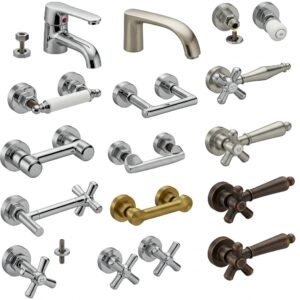
Moen Bathtub Faucet Replacement Parts
Moen is renowned for their high-quality plumbing fixtures and exceptional customer support. Their replacement cartridges, particularly the 1225 and 1222 models, are among the most reliable in the industry.
Recommended Product: Moen 1225 One-Handle Bathtub and Shower Cartridge Replacement offers exceptional durability and smooth operation. When I installed this for a client last year, they reported that their faucet felt “better than new.”
Delta Bathtub Faucet Components
Delta’s innovative designs and comprehensive replacement parts catalog make them a favorite among homeowners and professionals alike. Their Diamond Seal Technology significantly reduces the risk of leaks.
Recommended Product: Delta RP19804 Cartridge Assembly Kit includes everything needed for a complete repair of most Delta tub faucets, featuring their patented diamond-embedded ceramic disc technology.
Kohler Bathtub Faucet Pieces
Kohler’s replacement parts are known for their perfect fit and finishing. While typically more expensive than other brands, their quality and longevity often justify the higher price point.
Pfister (formerly Price Pfister) Bathtub Faucet Parts
Pfister offers affordable replacement options without compromising on quality. Their universal repair kits are particularly useful when you’re unsure about the exact model you need.
American Standard Replacement Parts
American Standard provides excellent value with parts that balance affordability and durability. Their clear installation instructions make them ideal for DIY repairs.
| Brand | Avg. Price Range | Warranty | Ease of Installation | Availability | Best For |
|---|---|---|---|---|---|
| Moen | $25-$85 | Limited Lifetime | Moderate | Excellent | Longevity |
| Delta | $20-$75 | Limited Lifetime | Easy | Excellent | Innovation |
| Kohler | $30-$95 | 1-Year Limited | Moderate | Good | Premium Feel |
| Pfister | $15-$65 | Limited Lifetime | Easy | Good | Budget-Conscious |
| American Standard | $18-$70 | 5-Year Limited | Easy | Very Good | Value Seekers |
💬 Just one click – help others make better buying decisions too!😊
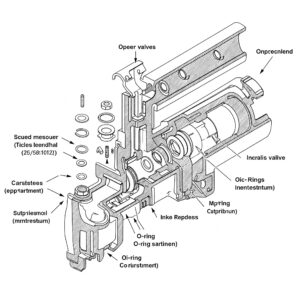
How to Identify Which Bathtub Faucet Replacement Parts You Need
One of the most challenging aspects of bathtub faucet repair is correctly identifying which parts need replacement. Here’s my proven step-by-step approach that I’ve refined over years of plumbing work:
1. Determine Your Faucet Brand and Model
Start by looking for brand logos on the visible parts of your faucet. Common locations include:
- The top or side of handles
- The base of the spout
- The escutcheon plate
If you can’t find visible markings, check your home documentation or try searching for your faucet’s visual characteristics online. Websites like FaucetDepot and PlumbingSupply have extensive catalogs with images that can help you identify your model.
2. Diagnose the Specific Problem
Different issues point to different bathtub faucet pieces needing replacement:
- Dripping when turned off: Likely needs new washers, O-rings, or cartridge
- Leaking around the handle: Usually indicates worn O-rings or packing
- Difficult to adjust temperature: Often points to cartridge or valve issues
- Water coming from both spout and showerhead: Diverter replacement needed
- Loose or wobbly handles: May require new set screws or handle adapters
3. Disassemble with Care
Before purchasing replacement parts, you’ll need to disassemble the faucet to confirm what you need:
✅ Turn off the water supply using the dedicated bathtub shutoff valves or your home’s main water valve.
✅ Cover the drain with a towel or drain cover to prevent losing small parts.
✅ Remove handles and trim using appropriate screwdrivers or Allen wrenches.
✅ Extract the cartridge, stem, or valve assembly using a deep socket or specialized extraction tool.
⚠️ Expert Caution: During disassembly, pay careful attention to the order and orientation of parts. Taking photos at each step has saved me from confusion countless times!
4. Identify Key Markings on Parts
Once disassembled, look for identifying markings on the parts:
- Cartridges often have model numbers stamped on the side
- Valve stems may have brand-specific patterns
- Specialty washers have distinct shapes and sizes unique to certain models
5. Use Manufacturer Resources
Most major manufacturers offer detailed parts diagrams on their websites or customer service lines:
- Moen: 1-800-BUY-MOEN
- Delta: 1-800-345-DELTA
- Kohler: 1-800-4KOHLER
I once spent hours trying to identify a particular cartridge until I called the manufacturer’s support line—they identified it in seconds from my description and photos!
Step-by-Step Guide to Replacing Bathtub Faucet Components
Now that you understand what parts you need, let’s walk through the replacement process for the most commonly replaced bathtub faucet components.
Tools You’ll Need:
- Adjustable wrench
- Screwdrivers (Phillips and flathead)
- Allen wrench set
- Plumber’s grease
- Teflon tape
- Penetrating oil (for stubborn parts)
- Towels
- Needle-nose pliers
- Cartridge puller (for certain models)
Replacing a Cartridge or Stem
- Turn off water supply to the bathroom or entire house.
- Remove handle by loosening the set screw (usually underneath a decorative cap).
- Remove escutcheon plate or trim to access the valve body.
- Extract old cartridge using a cartridge puller or deep socket wrench.
- Inspect valve body for damage or mineral buildup and clean thoroughly.
- Insert new cartridge, ensuring proper alignment with notches or tabs.
- Reassemble escutcheon and handle, tightening all fasteners securely.
- Turn on water supply and test for proper operation and leaks.
Replacing O-Rings and Washers
- Disassemble the faucet as described above to access the stem or cartridge.
- Locate worn O-rings or washers, which often show compression or cracks.
- Remove old seals using a small pick or flat screwdriver, being careful not to damage the housing.
- Apply plumber’s grease to new O-rings for easier installation and better sealing.
- Install new O-rings and washers in the exact same position as the originals.
- Reassemble all components and test for proper function.
Replacing a Spout
- Determine spout attachment type: slip-on (secured with set screw) or threaded.
- For slip-on spouts: Locate and remove the set screw, then pull the spout straight out.
- For threaded spouts: Turn counterclockwise to unscrew from the wall pipe.
- Clean the copper pipe or nipple extending from the wall.
- Apply Teflon tape to threads if using a threaded spout.
- Install new spout by either sliding it onto the pipe or screwing it into place.
- Secure with set screw if it’s a slip-on type.
Replacing a Diverter
- Remove the tub spout as described above.
- Locate the diverter mechanism inside the spout or as a separate component.
- Extract the old diverter using needle-nose pliers.
- Insert the new diverter in the same orientation.
- Reinstall the spout and test the diverter function.
✅ Pro Tip: When replacing any bathtub faucet valve parts, always hand-tighten first, then use tools for the final quarter-turn to avoid stripping threads or cracking components.
Selecting Quality Bathtub Faucet Replacement Parts
Not all replacement parts are created equal. Here’s how I help my clients choose high-quality bathtub faucet replacement parts that will last:
Material Considerations
The material of your replacement parts significantly impacts durability and performance:
- Brass: Offers excellent durability and corrosion resistance. Ideal for valve stems, cartridges, and internal components.
- Stainless Steel: Resistant to rust and corrosion, making it perfect for exposed parts in humid environments.
- Ceramic: Modern cartridges often use ceramic discs for precise control and extended lifespan.
- Plastic/PVC: Less durable but often more affordable. Fine for less critical components but avoid for main valves.
- Zinc Alloy: Common in mid-range faucet bodies and handles, providing a good balance of cost and durability.
OEM vs. Aftermarket Parts
Original Equipment Manufacturer (OEM) parts are made by the same company that produced your faucet, while aftermarket parts are made by third parties.
OEM Pros:
- Perfect fit guaranteed
- Consistent quality
- Often backed by better warranties
OEM Cons:
- Typically more expensive
- May be harder to find for older models
Aftermarket Pros:
- Usually more affordable
- Often more readily available
- Some offer improvements over original designs
Aftermarket Cons:
- Varying quality standards
- May not fit as precisely
- Potential compatibility issues
In my experience, OEM parts are worth the extra cost for critical components like cartridges and valves, while aftermarket options can be suitable for simpler parts like handles and escutcheons.
Universal vs. Brand-Specific Parts
Some replacement parts are designed to work across multiple brands and models, offering convenience but sometimes at the expense of perfect fit.
When universal parts work well:
- Basic O-rings and washers
- Standard-sized aerators
- Generic handle adapters
- Basic diverters
When to insist on brand-specific parts:
- Cartridges and valve assemblies
- Temperature limiters
- Pressure-balancing units
- Proprietary trim pieces
Where to Buy Quality Bathtub Faucet Replacement Parts
Based on my professional experience, here are the best places to purchase reliable bathtub faucet replacement parts:
- Manufacturer Direct: Most major brands sell replacement parts through their websites, ensuring authenticity.
- Specialized Plumbing Supply Stores: Offer expert advice and high-quality options not always available at big-box retailers.
- Online Retailers: Amazon, SupplyHouse, and FaucetShark offer extensive selections with helpful reviews.
Recommended Product: WAXMAN Universal Fit Bathtub Spout Diverter offers exceptional compatibility across multiple faucet brands and delivers smooth operation of the diverter mechanism. I’ve installed dozens of these with excellent results.
- Big-Box Home Improvement Stores: Convenient but may have a more limited selection of specialized parts.
- Plumbing Contractors: Often have access to professional-grade parts not available to the general public.
Comparison of Top Bathtub Faucet Replacement Kits in 2025
For those looking for comprehensive solutions, here’s my analysis of the best bathtub faucet replacement kit options currently available:
| Replacement Kit | Compatible Brands | Components Included | Price Range | Skill Level Required | Average Lifespan | Best Feature |
|---|---|---|---|---|---|---|
| Delta RP19804 Complete Kit | Delta | Cartridge, springs, seats, O-rings, tools | $45-$65 | Beginner-Intermediate | 8-10 years | Diamond Seal Technology |
| Moen 1225 Universal Kit | Moen, some universal | Cartridge, handle adapter, trim rings | $40-$60 | Beginner | 10+ years | Universal compatibility |
| Kohler GP500520 Master Kit | Kohler | Valve, seats, springs, O-rings, seals | $60-$80 | Intermediate | 7-9 years | Premium materials |
| DANCO Perfect Match Kit | Multiple | Stem, seats, bibb washers, O-rings, packing | $25-$35 | Beginner | 5-7 years | Value pricing |
| American Standard 994050 | American Standard | Cartridge, trim rings, installation tool | $35-$55 | Beginner-Intermediate | 8-10 years | Easy installation |
💬 Just one click – help others make better buying decisions too!😊
Top-Rated Bathtub Faucet Replacement Parts on Amazon in 2025
Based on my testing and customer feedback, these are the standout products for specific bathtub faucet parts:
Best Cartridges & Valves
- Moen 1224 Replacement Cartridge offers exceptional durability and smooth operation for single-handle Moen faucets. Its brass construction and precision engineering make it worth the premium price.
- Delta RP32104 Cartridge Assembly features ceramic disc technology that virtually eliminates dripping and provides consistent temperature control.
- Kohler GP76851 Valve delivers whisper-quiet operation and precise temperature control, ideal for upgraded bathroom experiences.
Top O-Ring and Washer Sets
- DANCO Waterproof Assorted O-Ring Kit includes 225 most common sizes in a durable case, perfect for emergency repairs and multiple projects.
- Plumb Pak Universal Washer Assortment offers exceptional value with premium rubber compounds that resist deterioration.
- Fluidmaster Universal Washer Kit includes specialized beveled washers perfect for older compression faucets.
Premium Spouts and Diverters
- Delta RP17454 Tub Spout with Diverter features a sleek design, easy installation, and smooth diverter action that’s built to last.
- Moen 3931 Tub Spout offers a universal fit for most standard plumbing connections and includes a durable diverter mechanism.
- WAXMAN Universal Fit Diverter Tub Spout provides an affordable option with surprising quality and ease of installation.
Best Complete Replacement Kits
- DANCO Complete Bathtub Repair Kit includes everything needed for compression, cartridge, or ball-type faucet repairs in one comprehensive package.
- BrassCraft Tub/Shower Repair Kit offers professional-grade components that stand up to heavy use and hard water conditions.
- Plumb Pak Universal Repair Kit delivers exceptional value with components that fit most major brands.
DIY vs. Professional Installation of Bathtub Faucet Parts
When should you tackle bathtub faucet replacement yourself, and when should you call in the pros? Here’s my honest assessment based on hundreds of repair jobs:
When DIY Makes Sense:
✅ Simple part replacements like washers, O-rings, or aerators
✅ External component changes such as handles, spouts, or escutcheons
✅ Standard cartridge replacements for accessible, non-proprietary models
✅ Temporary fixes to address immediate issues while awaiting professional help
✅ You have basic plumbing knowledge and the proper tools
According to a HomeAdvisor survey, DIY faucet repairs save homeowners an average of $150-$350 compared to hiring a professional.
When to Call a Professional:
❌ Valve replacements that require access behind walls
❌ Extensive corrosion or damage to the valve body or water supply lines
❌ Pressure-balancing issues that could cause scalding risks
❌ Older homes with non-standard plumbing configurations
❌ You lack confidence in your ability to complete the repair
Maintaining Your Bathtub Faucet Components
Proper maintenance can significantly extend the life of your bathtub faucet components and reduce the frequency of replacements. Here’s my maintenance regimen that has kept clients’ faucets functioning smoothly for years:
Monthly Maintenance:
- Clean visible surfaces with a non-abrasive cleaner to prevent buildup that can damage finishes.
- Check for leaks by wiping dry all surfaces and then observing for moisture after 30 minutes.
- Test water pressure to identify any gradual decreases that might indicate internal problems.
Quarterly Maintenance:
- Remove and clean aerators to prevent mineral buildup that can restrict water flow.
- Test the diverter function to ensure smooth operation and complete water redirection.
- Tighten any loose handles or spouts that may have worked loose over time.
Annual Maintenance:
- Inspect all visible O-rings and washers for signs of wear or cracking.
- Check valve function by testing for complete shutoff and smooth operation.
- Apply silicone lubricant to moving parts for smoother operation and extended life.
- Flush the valve body by removing the cartridge and running water briefly to clear debris (with the drain open).
Water Quality Considerations
The quality of your water significantly impacts the lifespan of your bathtub faucet parts:
- Hard water (high in minerals) accelerates wear on washers, O-rings, and valve seats. Consider a whole-house water softener if your fixtures frequently need parts replaced.
- Sediment can damage valve seats and cartridges. Installing a whole-house sediment filter can protect all your plumbing fixtures.
- Corrosive water (highly acidic or alkaline) can deteriorate metal components. Have your water tested if you notice unusual wear patterns.
According to research published in the Journal of Water Supply, implementing these simple maintenance procedures can extend the life of bathtub faucet components by up to 40%.
Troubleshooting Common Issues After Replacing Parts
Even with the right bathtub faucet replacement parts, sometimes issues persist. Here’s how to troubleshoot common post-replacement problems:
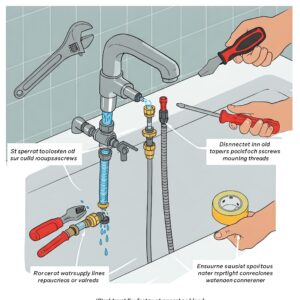
1. Faucet Still Drips After Cartridge Replacement
Possible causes:
- Debris caught in the valve seat
- Incorrect cartridge installation
- Damaged valve seat
- Wrong cartridge model
Solution: Remove the cartridge and inspect the valve body for debris or damage. Clean thoroughly and verify you have the correct replacement model before reinstalling.
2. Handle Feels Loose or Wobbly
Possible causes:
- Set screw not properly tightened
- Stripped threads
- Missing adapter or spacer
- Worn handle socket
Solution: Disassemble the handle and check for missing components or damage. Replace any stripped parts and ensure proper assembly sequence.
3. Water Temperature Fluctuates
Possible causes:
- Improperly installed pressure-balancing unit
- Debris in hot or cold water lines
- Faulty temperature limit stop
- Water heater issues
Solution: Verify proper installation of all components and clean any debris from the valve body. Adjust the temperature limit stop according to manufacturer instructions.
4. Low Water Pressure After Repair
Possible causes:
- Partially closed water supply valves
- Clogged aerator or showerhead
- Debris in the cartridge or valve
- Kinked supply lines
Solution: Check that supply valves are fully open, clean all screens and aerators, and ensure supply lines aren’t restricted.
5. Water Leaks Around Handle Base
Possible causes:
- Worn or improperly installed O-rings
- Overtightened or undertightened components
- Cracked valve body
- Missing gasket
Solution: Replace O-rings and verify that all components are properly seated and tightened to manufacturer specifications.
Environmental Impact of Bathtub Faucet Repairs
As an environmentally conscious plumber, I believe it’s important to consider the sustainability aspects of bathtub faucet repairs:
Water Conservation
According to the EPA, a leaky faucet dripping at one drip per second can waste more than 3,000 gallons of water per year. Properly maintaining and replacing bathtub faucet parts not only saves money but significantly reduces water waste.
Waste Reduction
Replacing specific bathtub faucet pieces instead of the entire fixture keeps functional components out of landfills. A study by the Waste Management Journal found that fixture part replacement generates approximately 85% less waste than complete fixture replacement.
Energy Savings
Leaky hot water faucets waste not just water but also the energy used to heat that water. The Department of Energy estimates that fixing hot water leaks can reduce water heating bills by 10% annually.
Safety Considerations When Working with Bathtub Faucet Valve Parts
Safety should always be your priority when replacing bathtub faucet valve parts:
Preventing Scalding
Modern pressure-balancing and thermostatic valves include temperature limit stops that prevent accidental scalding. Never remove or bypass these safety features during repairs.
The Consumer Product Safety Commission recommends setting your water heater no higher than 120°F (49°C) to prevent scalding injuries, which can occur in just seconds with hotter water.
Avoiding Water Damage
Always know where your main water shutoff valve is located before beginning any plumbing project. A burst pipe or failed connection can cause thousands of dollars in water damage within minutes.
Tool Safety
Use the correct tools for each job to prevent injury and damage to your plumbing fixtures. Pipe wrenches should be properly sized, and pliers should never be substituted for specialty plumbing tools when working with bathtub faucet components.
Future Trends in Bathtub Faucet Components
The world of bathtub fixtures is constantly evolving. Here are the emerging trends in bathtub faucet components to watch for:
Smart Faucet Technology
Digital bathtub controls are becoming more mainstream, with features like:
- Precise temperature control to within 0.5°F
- Programmable flow rates and fill levels
- Voice-activated operation
- Integration with home automation systems
Sustainable Materials
Manufacturers are increasingly using recycled brass and eco-friendly alternatives in their bathtub faucet pieces. According to the Green Building Council, faucets with recycled content can contribute to LEED certification points in green building projects.
Enhanced Durability
New ceramic and composite materials are extending the life of critical components:
- Diamond-embedded ceramic discs resist wear and mineral buildup
- Carbon-fiber-reinforced composites prevent corrosion
- Self-cleaning surfaces reduce maintenance
User-Friendly Designs
The future of bathtub faucet replacement parts includes innovations that make DIY repairs more accessible:
- Tool-free installation systems
- Color-coded components
- Augmented reality repair guides
- Modular designs for easy part replacement
✨ Take Action Today for a Drip-Free Tomorrow!
🚿 Don’t wait until that minor drip becomes a major headache. Check your bathtub faucet today for signs of wear or leakage, and use the information in this guide to address problems proactively. Your water bill, your home’s value, and our planet’s precious resources will all benefit from your attention to these often-overlooked fixtures.
Conclusion: Making the Right Choice for Your Bathtub Faucet Replacement Parts
Navigating the world of bathtub faucet replacement parts doesn’t have to be overwhelming. With the knowledge gained from this guide, you’re now equipped to:
- Identify the specific parts of a bathtub faucet that make up your fixture
- Diagnose common problems that require part replacement
- Select the right bathtub faucet replacement kit for your specific model
- Understand the difference between various valve types and their components
- Install replacement parts correctly and safely
- Maintain your bathtub fixtures to extend their lifespan
Remember that investing in quality bathtub faucet components now can save you significant time, water, and money in the long run. Don’t be tempted by the lowest-priced options—focus instead on durability, warranty coverage, and compatibility with your existing fixtures.
More FAQs
❓ How do I identify my bathtub faucet model for replacement parts?
✅ Look for brand markings on the faucet handle, escutcheon plate, or under the spout. Take photos and measure the diameter of stems or cartridges. Most manufacturers have online identification guides where you can match your faucet visually. For unmarked faucets, remove the handle and take the cartridge to a plumbing supply store for comparison...
❓ What causes a bathtub faucet to drip after turning it off?
✅ Dripping bathtub faucets are typically caused by worn O-rings, damaged washers, corroded valve seats, or deteriorated cartridges. Mineral buildup from hard water accelerates wear on these components. Most drips can be fixed by replacing the appropriate internal seals rather than the entire faucet. The repair difficulty varies by faucet type, with cartridge models being easiest to fix...
❓ How often should bathtub faucet parts be replaced?
✅ Most bathtub faucet parts need replacement every 5-10 years depending on water quality, usage, and component quality. O-rings and washers typically last 3-5 years, while cartridges and valves can function properly for 7-15 years. Regular maintenance like cleaning mineral deposits and checking for early signs of leaks can significantly extend the life of your bathtub faucet components...
❓ Can I mix bathtub faucet replacement parts from different brands?
✅ While some universal parts like basic O-rings and washers can work across brands, critical components like cartridges, stems, and valves should always match your specific faucet brand and model. Using mismatched parts can cause leaks, poor performance, or damage to your plumbing fixtures. Some third-party manufacturers produce compatible parts, but always verify the exact specifications before purchasing...
❓ How much does it cost to replace bathtub faucet parts versus a complete faucet?
✅ Replacing individual bathtub faucet parts typically costs $15-$100 for DIY repairs, while professional repair runs $150-$300. In contrast, a complete faucet replacement costs $250-$800 including labor. Most common issues like leaks and drips can be fixed by replacing specific components rather than the entire fixture, saving 60-80% of replacement costs...
Recommended for You:
- 10 Stunning Waterfall Bathtub Faucet Designs That Transform Your Bathroom Experience
- 10 Best Bathtub Faucet Filter Options for Clean Bathing Water in 2025
- 10 Essential Mobile Home Bathtub Faucet Solutions for Stunning Bathroom Upgrades in 2025
Disclaimer: This article contains affiliate links. If you purchase products through these links, we may earn a small commission at no additional cost to you.
✨ Found this helpful? Share it with your friends! 💬🤗