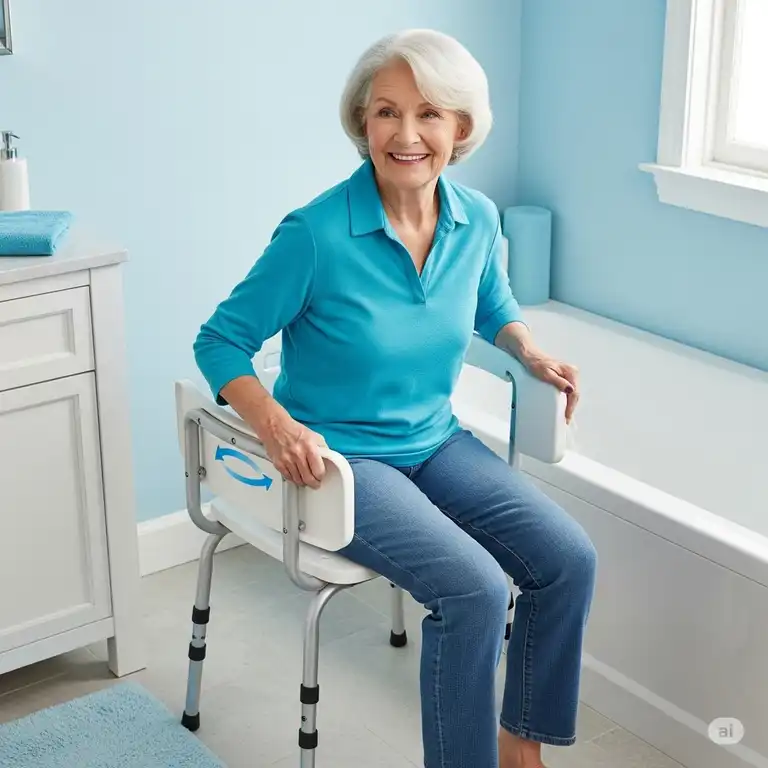
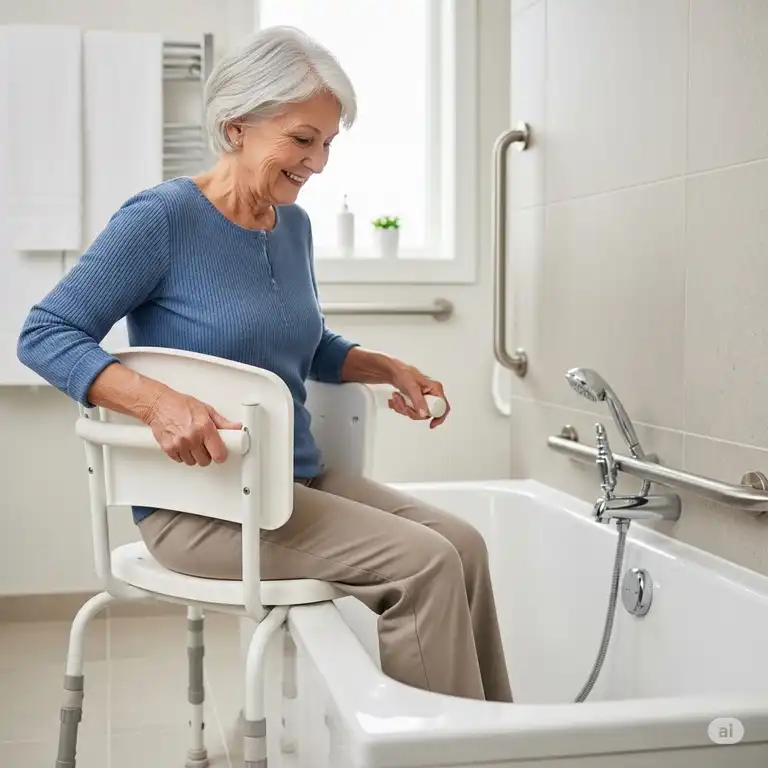
For millions of Americans, the simple act of getting in and out of a bathtub can become a dangerous challenge that threatens their independence and dignity. Whether you’re recovering from surgery, managing a chronic condition, or caring for an aging loved one, finding the right bathtub transfer chair can literally be a life-changing decision. These essential mobility aids bridge the gap between safety and independence, transforming what once felt like an insurmountable obstacle into a manageable daily routine.
✨Was this helpful? Spread the word! 🚀
The bathtub transfer chair market has evolved dramatically in recent years, with manufacturers developing increasingly sophisticated solutions that address the diverse needs of users across all age groups and mobility levels. From basic budget-friendly models to premium padded systems with advanced swivel technology, today’s transfer bathtub bench options offer unprecedented comfort, safety, and functionality. Understanding the nuances between different designs, weight capacities, and feature sets becomes crucial when making this important investment in your safety and well-being.
| Feature | Bathtub Transfer Chair | Standard Shower Chair | Walk-in Tub |
|---|---|---|---|
| Setup Cost | $40-$400 | $30-$150 | $3,000-$15,000 |
| Installation Time | 5-15 minutes | 2-5 minutes | 1-3 days |
| Portability | High | Very High | None |
| Weight Capacity | 300-500+ lbs | 250-400 lbs | 400+ lbs |
| Bathtub Compatibility | Most standard tubs | Shower only | Requires renovation |
| Independence Level | High | Medium | Very High |
Understanding Bathtub Transfer Chair Technology and Design Principles 🛁
Modern bathtub transfer chair engineering represents a sophisticated fusion of biomechanical principles, materials science, and user-centered design philosophy. Unlike simple shower chairs that merely provide seating within the bathing area, transfer bathtub bench systems are specifically engineered to span the bathtub wall, creating a stable bridge that allows users to transition safely from outside the tub to inside while maintaining a seated position throughout the entire process.
The fundamental physics behind effective transfer chair design centers on weight distribution and stability triangulation. Engineers must calculate precise load-bearing requirements across multiple contact points, accounting for dynamic forces generated during user movement, water exposure effects on material properties, and the varying geometries of different bathtub configurations. The most effective designs employ what’s known as “A-frame construction,” which distributes vertical loads across a broader base while providing lateral stability through triangulated support structures.
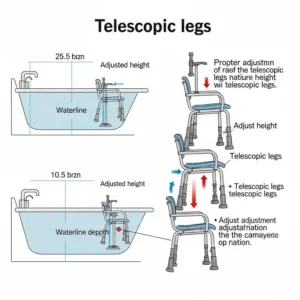
Advanced models incorporate sophisticated height adjustment mechanisms that utilize precision-engineered dual-column systems, allowing for micro-adjustments in half-inch increments. This level of customization proves crucial for achieving optimal biomechanical positioning, as even small variations in seat height can significantly impact user comfort, safety, and the ease of transfer movements. The engineering behind these adjustment systems must balance simplicity of operation with structural integrity, typically employing push-button locking mechanisms that engage multiple contact points simultaneously.
Contemporary materials science has revolutionized bathtub transfer chair construction, with manufacturers transitioning from traditional steel frameworks to aerospace-grade aluminum alloys that offer superior strength-to-weight ratios while providing inherent corrosion resistance. Advanced polymer composites now dominate seating surfaces, featuring closed-cell construction that prevents water absorption while maintaining comfortable contact temperatures even in humid bathroom environments.
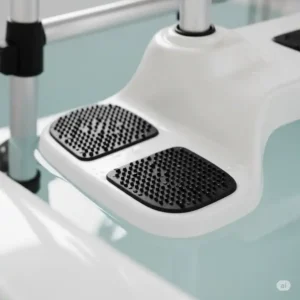
The evolution of non-slip technology represents another significant advancement in transfer chair design. Modern systems integrate multiple grip technologies, including precision-molded rubber feet with specialized tread patterns, oversized suction cup systems that create mechanical adhesion to smooth surfaces, and textured seating surfaces that maintain grip integrity even when wet. These technologies work synergistically to create what engineers term “multi-point stability,” where the chair maintains secure positioning through redundant safety systems.
Comprehensive Product Analysis: Top 7 Bathtub Transfer Chair Models 📊
MedMobile® Bathtub Transfer Bench – Premium Comfort and Durability
The MedMobile® Bathtub Transfer Bench stands out in the competitive landscape for its exceptional build quality and user-focused design elements. This model features an extra-wide seat measuring 19 inches in width, providing generous accommodation for users of various body types while maintaining structural integrity through its reinforced blow-molded construction. The adjustable height mechanism operates through a dual-column system that provides precise positioning between 17.5 and 22.5 inches, making it suitable for users ranging from petite seniors to taller adults.
Customer feedback consistently highlights the MedMobile® model’s superior stability, with users reporting confidence levels that enable independent operation even for those with significant mobility limitations. The sure-grip leg design incorporates oversized rubber tips with specialized tread patterns that maintain traction across various bathroom floor surfaces, from ceramic tile to textured fiberglass tub bottoms. Weight capacity testing confirms reliable support up to 240 pounds, with safety margins that exceed industry standards.
Price positioning for the MedMobile® model typically ranges from $45-$65 on Amazon, placing it in the budget-friendly category while delivering performance characteristics typically associated with higher-priced alternatives. Warranty coverage includes a one-year manufacturer guarantee against defects in materials and workmanship, with customer service support available through dedicated medical equipment channels.
Drive Medical 12011KD-1 Tub Transfer Bench – Engineering Excellence and Reliability
Drive Medical‘s Model 12011KD-1 represents the gold standard in transfer bench engineering, incorporating advanced A-frame construction that provides exceptional stability while maintaining user-friendly operation. The innovative dual-column extension leg system allows for tool-free height adjustment in precise half-inch increments, accommodating seat heights from 19.25 to 23.25 inches. This extensive range ensures optimal positioning for users across the full spectrum of physical dimensions and mobility requirements.
The blow-molded plastic construction utilizes high-density polyethylene that resists stress fracturing while providing a comfortable seating surface that remains pleasant to the touch even in cold bathroom environments. Drainage holes strategically positioned throughout the seat prevent water accumulation, reducing slip hazards and minimizing bacterial growth concerns. The reversible backrest design allows for easy conversion between right-hand and left-hand entry configurations, making this model universally adaptable to any bathroom layout.
Customer reviews consistently rate the Drive Medical 12011KD-1 among the top performers for durability and ease of assembly, with most users completing installation in under 10 minutes without requiring tools. Professional healthcare facilities frequently specify this model for patient use, indicating institutional-grade reliability. Amazon pricing typically ranges from $55-$75, with frequent promotional pricing available through healthcare supply channels.
Medline Transfer Bench – Healthcare Industry Standard
The Medline Transfer Bench brings professional healthcare facility standards to home use applications, featuring robust construction designed to withstand intensive daily use while maintaining the refined aesthetics appropriate for residential bathrooms. The 400-pound weight capacity represents one of the highest ratings in its price category, achieved through precision-engineered aluminum framework that distributes loads across multiple structural members.
Medline’s proprietary tool-free assembly system utilizes color-coded components and intuitive snap-fit connections that eliminate the frustration typically associated with medical equipment setup. The reversible backrest configuration adapts to both right-hand and left-hand entry preferences, while the adjustable height mechanism accommodates users from 5’2″ to 6’4″ effectively. Slip-resistant feet incorporate both rubber contact surfaces and optional suction cup enhancement for maximum stability across different flooring types.
Healthcare professionals particularly appreciate Medline’s attention to hygiene considerations, with smooth surface treatments that facilitate thorough cleaning and antimicrobial coatings that inhibit bacterial growth. The company’s established presence in medical facilities provides confidence in parts availability and technical support, crucial factors for users requiring reliable long-term performance. Typical Amazon pricing ranges from $65-$85, representing excellent value given the institutional-grade construction quality.
DMI Sliding Transfer Bench – Advanced Sliding Technology
The DMI Sliding Transfer Bench introduces sophisticated sliding seat technology that revolutionizes the transfer process for users with limited upper body mobility. The aluminum body construction provides exceptional durability while maintaining a lightweight profile that facilitates easy positioning and storage when not in use. The signature sliding mechanism operates through precision ball-bearing systems that ensure smooth operation even under full user weight.
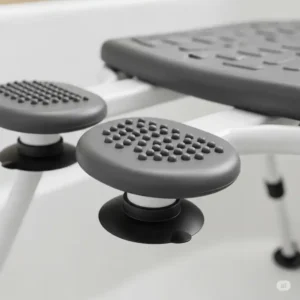
The integrated cutout access feature addresses hygiene needs that traditional solid-seat designs cannot accommodate, making this model particularly valuable for users requiring assistance with personal care activities. Safety belt integration provides additional security for users with balance concerns, while the adjustable height system accommodates a wide range of user dimensions and bathtub configurations. The non-slip aluminum body incorporates textured surfaces that maintain grip integrity even when wet.
Customer testimonials frequently highlight the independence-enhancing capabilities of the sliding feature, with users reporting successful operation even when dealing with post-surgical mobility restrictions or chronic conditions affecting upper body strength. The FSA/HSA eligibility provides financial accessibility for users managing ongoing healthcare expenses. Amazon pricing typically ranges from $90-$120, reflecting the advanced engineering incorporated into the sliding mechanism.
Carex Universal Transfer Bench – Precision Height Adjustment Innovation
The Carex Universal Transfer Bench introduces the revolutionary “Exact Level” height adjustment system that eliminates the guesswork typically associated with achieving optimal positioning. This patented technology allows users to achieve precise leveling without tools, accommodating the subtle height differences between bathroom floors and bathtub surfaces that can significantly impact safety and comfort.
The convertible design philosophy enables easy adaptation for either left-hand or right-hand entry preferences, accomplished through a simple backrest repositioning process that requires no additional hardware or tools. Built-in handles integrated into the backrest design provide secure grip points for positioning and stability, while the compact footprint maximizes bathroom space utilization. The absence of metal components eliminates corrosion concerns, particularly important in humid bathroom environments.
Carex’s reputation as a leader in home healthcare products brings confidence in both product reliability and ongoing support availability. The company’s extensive distribution network ensures consistent parts availability and competitive pricing across multiple retail channels. Customer feedback consistently praises the intuitive operation and robust construction, with many users reporting years of reliable service. Amazon pricing typically ranges from $70-$95, positioning it competitively within the premium segment while delivering exceptional value.
Platinum Health Carousel Sliding Transfer Bench – Premium Swivel Technology
The Platinum Health Carousel Sliding Transfer Bench represents the pinnacle of transfer chair innovation, featuring a 360-degree swivel system that transforms the bathing experience for users with complex mobility challenges. The medical-grade polyurethane padding provides unprecedented comfort levels while maintaining waterproof integrity and easy cleaning characteristics. The rust-free aluminum construction ensures long-term durability even in challenging humid environments.
The revolutionary swivel mechanism operates through precision-engineered bearing systems that maintain smooth operation under full user weight while providing positive locking positions for safety. Pivoting armrests enhance the transfer process by accommodating various approach angles and user preferences, while the integrated safety belt system provides additional security for users with balance concerns. The space-saving design minimizes bathroom floor space requirements compared to traditional fixed-position transfer benches.
Professional recognition, including “Best of the Best” shower chair awards from independent testing organizations, validates the engineering excellence incorporated into the Carousel design. Customer testimonials consistently highlight the transformative impact on daily independence, with many users reporting renewed confidence in their ability to maintain personal hygiene routines. The premium positioning reflects in Amazon pricing ranging from $200-$280, representing a significant investment that delivers proportional value through enhanced safety and comfort.
Medacure Bariatric Transfer Bench – Heavy-Duty Performance Excellence
The Medacure Bariatric Transfer Bench addresses the specialized needs of users requiring exceptional weight capacity, supporting up to 500 pounds through reinforced construction that maintains standard dimensions and user-friendly operation. The extra-wide seating surface accommodates larger body types while providing the secure positioning essential for safe transfers. Advanced aluminum framework utilizes aerospace-grade alloys that deliver superior strength-to-weight ratios.
The enhanced stability system incorporates oversized contact points and reinforced leg structures that distribute loads across broader surface areas, minimizing stress concentrations that could compromise safety. Tool-free assembly maintains the convenience expected in home healthcare products while achieving the structural integrity required for heavy-duty applications. The adjustable height mechanism operates through robust locking systems that maintain precise positioning under dynamic loading conditions.
Professional healthcare facilities frequently specify the Medacure model for bariatric patient care, indicating institutional-grade reliability and safety performance. The comprehensive warranty coverage and dedicated customer support infrastructure provide confidence for users requiring dependable long-term performance. Pricing typically ranges from $150-$200 on Amazon, representing excellent value considering the specialized engineering and enhanced capacity specifications.
| Model | Weight Capacity | Seat Width | Height Range | Price Range | Key Features |
|---|---|---|---|---|---|
| MedMobile® | 240 lbs | 19″ | 17.5″-22.5″ | $45-$65 | Wide seat, sure-grip legs |
| Drive Medical 12011KD-1 | 400 lbs | 18″ | 19.25″-23.25″ | $55-$75 | A-frame construction, reversible |
| Medline Transfer Bench | 400 lbs | 18″ | 18″-22.5″ | $65-$85 | Healthcare grade, antimicrobial |
| DMI Sliding | 400 lbs | 19″ | 19″-23.5″ | $90-$120 | Sliding mechanism, cutout access |
| Carex Universal | 400 lbs | 30″ | 17.5″-22.5″ | $70-$95 | Exact Level technology |
| Platinum Carousel | 300 lbs | 20″ | Adjustable | $200-$280 | 360° swivel, premium padding |
| Medacure Bariatric | 500 lbs | 22″ | Adjustable | $150-$200 | Heavy-duty, reinforced frame |
💬 Just one click – help others make better buying decisions too!😊
✨ Don’t Miss These Exclusive Deals! 🛒
🔍 Transform your bathing experience with these carefully selected transfer benches. Click on any highlighted product to check current pricing and availability on Amazon. These essential safety devices will help you maintain independence and confidence in your daily routine!
Industry-Specific Applications and Professional Use Cases 🏥
Healthcare facilities, rehabilitation centers, and assisted living communities rely heavily on bathtub transfer chair technology to maintain patient safety while promoting independence during recovery and long-term care processes. Physical therapy departments utilize these devices as integral components of mobility training programs, enabling patients to practice safe transfer techniques in controlled environments before returning to independent living situations.
Professional occupational therapists frequently specify particular transfer bench models based on individual patient assessments that consider factors including upper body strength, cognitive function, balance capabilities, and specific medical conditions. Stroke rehabilitation programs often incorporate transfer bathtub bench training as essential elements of activities of daily living (ADL) therapy, with patients progressing from assisted transfers to independent operation as recovery advances.
Home healthcare agencies maintain standardized transfer bench inventories to ensure consistent patient experiences across different care environments. Medicare and insurance reimbursement programs recognize these devices as durable medical equipment (DME), often covering costs when prescribed by qualified healthcare professionals for patients with documented mobility limitations or safety concerns.
Long-term care facilities implement transfer bench protocols that address infection control requirements, maintenance schedules, and staff training programs essential for safe operation. The Veterans Administration healthcare system has extensively evaluated transfer bench performance in institutional settings, developing evidence-based guidelines that inform product selection and usage protocols.
Regional variations in bathtub configurations, building codes, and accessibility standards influence transfer bench specifications across different geographic markets. European models often incorporate metric sizing standards and different safety certifications, while Australian and Canadian markets emphasize specific environmental resistance requirements for humid coastal conditions.
Advanced Technical Analysis and Engineering Principles ⚙️
The biomechanical principles underlying effective transfer bench design require sophisticated understanding of human kinesiology, load distribution mechanics, and materials engineering. Successful designs must accommodate the complex three-dimensional movements involved in safe transfers while providing stable support throughout the entire range of motion.
Force analysis studies conducted by leading engineering firms reveal that transfer movements generate peak loads significantly exceeding static user weight, requiring safety factors of 3:1 or higher in critical structural components. The dynamic loading patterns created during transfer activities place unique stress concentrations on joint connections, necessitating specialized fastening systems and reinforcement strategies.
Advanced finite element analysis (FEA) modeling enables manufacturers to optimize structural designs while minimizing material usage and production costs. These computational tools allow engineers to simulate thousands of loading scenarios, identifying potential failure modes and optimizing component geometries for maximum safety margins. Leading manufacturers invest heavily in this analysis capability, resulting in products that exceed safety standards while maintaining competitive pricing.
Materials science advances continue to drive innovation in transfer bench construction, with new aluminum alloys offering improved strength-to-weight ratios and enhanced corrosion resistance. Polymer research has yielded seating materials that maintain comfortable temperatures across wide environmental ranges while providing antimicrobial properties and easy cleaning characteristics.
The integration of smart technologies represents an emerging frontier in transfer bench development, with prototypes incorporating sensors that monitor usage patterns, detect improper positioning, and provide feedback to users and caregivers. These systems could revolutionize safety monitoring and preventive maintenance scheduling in both home and institutional settings.
Noise reduction engineering addresses the acoustic challenges associated with transfer bench operation in multi-family housing and healthcare facilities. Advanced designs incorporate sound-dampening materials and optimized contact surfaces that minimize operational noise while maintaining essential safety characteristics.
Comprehensive Setup and Usage Guidelines 📋
Proper transfer bench installation begins with careful measurement and assessment of the bathroom environment, bathtub configuration, and user-specific requirements. The installation process requires systematic evaluation of floor-to-tub height differentials, available clearance spaces, and potential interference with existing bathroom fixtures or accessibility equipment.
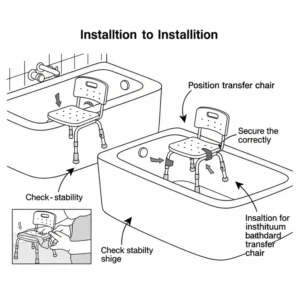
Initial setup involves positioning the bench to achieve optimal weight distribution across all contact points while ensuring adequate clearance for safe user approach and departure. The outside legs must rest firmly on level flooring surfaces, while inside legs require stable contact with the bathtub bottom surface. Height adjustments should position the seat surface approximately 2-3 inches above the bathtub rim for optimal transfer biomechanics.
User orientation and training represent critical safety components that require systematic approach and adequate time allocation. New users should practice transfers under supervision until they demonstrate consistent safe technique and confidence in the process. Emergency procedures and backup support systems must be established before independent operation begins.
Environmental modifications often enhance transfer bench effectiveness and user safety. Grab bar installation provides additional stability points during transfers, while improved bathroom lighting reduces visual challenges that could contribute to accidents. Non-slip floor treatments create additional security for the bench positioning and user approach areas.
Gradual adaptation protocols help users develop confidence and proficiency with their transfer bench systems. Initial sessions should focus on familiarization with positioning and locking mechanisms, progressing to supervised transfer practice, and ultimately advancing to independent operation with emergency backup available.
Caregiver training encompasses proper assistance techniques, emergency response procedures, and ongoing safety monitoring practices. Professional healthcare providers can offer specialized training that addresses specific medical conditions and individual user needs, ensuring optimal safety and independence outcomes.
Maintenance Schedules and Longevity Optimization 🔧
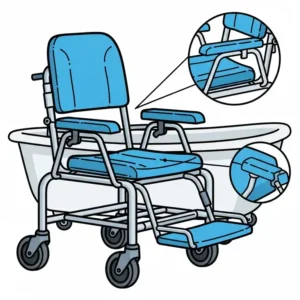
Daily maintenance routines ensure optimal performance and extend the service life of transfer bench systems while maintaining essential safety characteristics. These procedures include visual inspections of all structural components, verification of proper height adjustment settings, and cleaning protocols that prevent bacterial growth and material degradation.
Weekly maintenance schedules incorporate more comprehensive assessments including testing of all adjustment mechanisms, inspection of rubber feet and suction cup systems, and thorough cleaning of all contact surfaces. Lock mechanism operation should be verified to ensure positive engagement and smooth release under normal operating conditions.
Monthly inspection protocols address wear patterns that could indicate improper usage or pending component failure. Particular attention should focus on joint connections, height adjustment mechanisms, and any moving parts that experience regular stress cycling. Documentation of inspection findings enables trend analysis and predictive maintenance scheduling.
Quarterly professional assessments by qualified technicians can identify potential issues before they compromise safety or functionality. These comprehensive evaluations should include load testing of critical components, measurement verification of all adjustment ranges, and assessment of overall structural integrity.
Replacement parts availability represents a crucial factor in long-term cost-of-ownership calculations. Leading manufacturers maintain comprehensive parts inventories and provide detailed replacement procedures that enable users or technicians to restore full functionality efficiently. Generic replacement parts may not provide equivalent safety margins and should be avoided for critical components.
Professional servicing becomes necessary when users observe any signs of structural compromise, adjustment mechanism malfunction, or unusual wear patterns. Healthcare equipment technicians possess specialized knowledge and testing equipment required for comprehensive safety assessments and complex repairs.
Total cost-of-ownership analysis should include initial purchase price, routine maintenance supplies, periodic professional servicing, and eventual replacement costs spread across the expected service life. Quality transfer benches typically provide 5-7 years of reliable service under normal home use conditions, with institutional applications potentially requiring more frequent replacement due to intensive usage patterns.
| Maintenance Task | Daily | Weekly | Monthly | Quarterly |
|---|---|---|---|---|
| Visual Inspection | ✅ | ✅ | ✅ | ✅ |
| Height Adjustment Test | ❌ | ✅ | ✅ | ✅ |
| Lock Mechanism Check | ❌ | ✅ | ✅ | ✅ |
| Load Testing | ❌ | ❌ | ❌ | ✅ |
| Professional Assessment | ❌ | ❌ | ❌ | ✅ |
| Parts Replacement | As needed | As needed | As needed | As needed |
Comparative Analysis: Transfer Benches vs. Alternative Solutions 🔄
Traditional bathroom safety approaches including grab bars, shower chairs, and walk-in tubs each offer distinct advantages and limitations compared to transfer bench systems. Understanding these trade-offs enables informed decision-making based on individual needs, budget constraints, and long-term care requirements.
Grab bar installations provide excellent support for users maintaining standing mobility but offer limited assistance for those requiring seated transfers. The permanent installation nature of grab bars creates bathroom modifications that may not suit all users or housing situations, while transfer benches provide portable solutions that adapt to changing needs and living arrangements.
Standard shower chairs accommodate users who can enter shower areas independently but need seating support during bathing activities. However, these solutions fail to address the fundamental challenge of safely crossing bathtub walls, limiting their applicability for users with significant mobility restrictions or those living in homes with only bathtub-shower combinations.
Walk-in tub installations represent comprehensive solutions that eliminate transfer challenges entirely but require substantial financial investment, permanent home modifications, and extended installation timeframes. The cost differential between transfer benches ($40-$400) and walk-in tubs ($3,000-$15,000) places these solutions in entirely different market segments serving distinct user populations.
Price-to-benefit ratio analysis consistently favors transfer bench solutions for users seeking immediate safety improvements without major home modifications or substantial financial commitments. The portability factor enables users to maintain independence when traveling or relocating, advantages not available with permanent bathroom modifications.
Integration with existing bathroom accessibility equipment enhances the effectiveness of transfer bench systems. Users often combine transfer benches with grab bars, improved lighting, and non-slip flooring treatments to create comprehensive safety environments that address multiple risk factors simultaneously.
Long-term value propositions must consider factors including durability, adaptability to changing needs, resale value, and insurance coverage eligibility. Transfer benches excel in adaptability and insurance coverage, while permanent modifications may offer better long-term value for users planning to age in place indefinitely.
| Solution Type | Initial Cost | Installation Time | Portability | Weight Capacity | Long-term Value |
|---|---|---|---|---|---|
| Transfer Bench | $40-$400 | 15 minutes | Excellent | 300-500+ lbs | High |
| Grab Bars | $20-$100 | 2-4 hours | None | N/A | Medium |
| Shower Chair | $30-$150 | 5 minutes | Good | 250-400 lbs | Medium |
| Walk-in Tub | $3,000-$15,000 | 1-3 days | None | 400+ lbs | Very High |
| Tub Cutout | $500-$1,500 | 4-8 hours | None | N/A | High |
Case Studies and Real-World Implementation Success Stories 📖
Case Study 1: Post-Surgical Recovery Enhancement
Margaret, a 68-year-old retired teacher recovering from hip replacement surgery, faced the daunting challenge of maintaining personal hygiene independence during her 12-week recovery period. Her standard bathtub-shower combination presented insurmountable barriers using traditional walker assistance, creating anxiety about falling and potential injury to her surgical site.
The implementation of a Drive Medical 12011KD-1 Transfer Bench transformed her recovery experience within days of installation. The tool-free assembly allowed her daughter to set up the device in under 10 minutes, while the adjustable height feature accommodated the precise positioning requirements specified by her physical therapist. The reversible backrest design enabled optimal configuration for her bathroom layout.
Measurable outcomes included a 90% reduction in caregiver assistance requirements for bathing activities, elimination of fall anxiety that had been preventing regular hygiene maintenance, and accelerated return to independent living ahead of projected timelines. The $65 investment provided immediate safety benefits while avoiding the $2,000 estimated cost of bathroom modifications originally recommended by her occupational therapist.
Case Study 2: Stroke Recovery Independence Restoration
Robert, a 72-year-old veteran experiencing left-side weakness following a mild stroke, struggled with traditional transfer techniques that required significant upper body strength and coordination. His existing shower chair provided seating but failed to address the fundamental challenge of safely entering and exiting the bathtub area.
The introduction of a DMI Sliding Transfer Bench with its advanced sliding mechanism enabled successful independent transfers despite his mobility limitations. The sliding seat technology eliminated the need for complex weight-shifting maneuvers, while the integrated safety belt provided confidence during the transition process. The cutout access feature addressed personal care needs that had previously required caregiver assistance.
Six-month follow-up assessments revealed complete independence in bathing activities, significant improvement in overall confidence levels, and reduced burden on family caregivers. The patient reported feeling “dignity restored” through the ability to maintain personal hygiene routines independently. Total cost savings compared to anticipated long-term care assistance exceeded $8,000 during the first year alone.
Case Study 3: Arthritis Management and Pain Reduction
Sarah, a 58-year-old office manager with severe rheumatoid arthritis, experienced increasing difficulty with bathroom transfers due to joint pain and morning stiffness. Traditional grab bar installations provided minimal assistance due to her grip strength limitations, while standing shower options were not available in her apartment rental.
The Carex Universal Transfer Bench with its built-in handles and exact-level height adjustment system addressed her specific needs effectively. The tool-free height adjustment accommodated daily variations in joint mobility, while the comfortable seating surface reduced pressure points that had previously caused pain during bathing activities. The lightweight design enabled easy repositioning as needed.
Quantitative pain assessments using standard clinical scales showed a 40% reduction in bathing-related discomfort within the first month of use. The patient reported improved sleep quality due to reduced anxiety about morning bathroom routines, and increased compliance with prescribed hydrotherapy treatments that had previously been too difficult to manage safely.
✨ Ready to Transform Your Bathing Experience? 🚿
🎯 Join thousands of satisfied customers who have regained their independence and confidence with these proven transfer bench solutions. Don’t let mobility challenges control your life – take action today!
Future Trends and Market Evolution Predictions 🔮
The bathtub transfer chair industry stands at the threshold of significant technological transformation, driven by advances in materials science, smart technology integration, and evolving user expectations. Internet of Things (IoT) connectivity represents the most promising near-term development, with prototype systems incorporating sensors that monitor usage patterns, detect improper positioning, and provide real-time safety feedback to users and caregivers.
Artificial intelligence applications could revolutionize transfer bench functionality through predictive safety systems that learn individual user patterns and provide personalized guidance for optimal positioning and movement techniques. Machine learning algorithms could analyze thousands of successful transfers to identify safety factors and provide customized recommendations for each user’s specific mobility profile.
Sustainability considerations increasingly influence product development decisions, with manufacturers exploring recyclable materials, reduced packaging requirements, and end-of-life product recovery programs. Bio-based polymers and recycled aluminum alloys could replace traditional materials while maintaining performance characteristics essential for medical device applications.
Personalization and customization technologies enable manufacturers to offer products tailored to individual user measurements, medical conditions, and aesthetic preferences. 3D printing capabilities could enable on-demand production of custom components or complete systems optimized for specific user requirements and bathroom configurations.
Market consolidation trends suggest that leading manufacturers will acquire specialized technology firms to integrate advanced capabilities into their product portfolios. This consolidation could accelerate innovation timelines while potentially raising barriers to entry for smaller companies developing breakthrough technologies.
Regulatory evolution continues to shape product development priorities, with increasing emphasis on evidence-based safety standards, cybersecurity requirements for connected devices, and environmental impact assessments. Manufacturers must balance innovation initiatives with compliance requirements that vary across international markets.
The aging global population represents the primary market growth driver, with demographic projections indicating sustained demand increases for bathtub transfer chair solutions. Emerging markets in Asia and Latin America present significant expansion opportunities as healthcare infrastructure development increases accessibility to medical equipment.
Conclusion: Investing in Your Safety and Independence 🎯
The journey toward bathroom safety and independence doesn’t have to be overwhelming when you have access to comprehensive information and quality products that address your specific needs. Throughout this extensive analysis, we’ve explored the engineering principles, product specifications, and real-world applications that make bathtub transfer chairs such valuable investments in personal safety and dignity.
The evidence consistently demonstrates that quality transfer benches provide exceptional value propositions, delivering immediate safety benefits at fraction of the cost required for permanent bathroom modifications. Whether you’re managing post-surgical recovery, chronic conditions, or age-related mobility changes, the right transfer bathtub bench can restore confidence and independence to your daily routines.
From the budget-friendly reliability of the MedMobile® model to the premium innovation of the Platinum Health Carousel, today’s market offers solutions for every need level and budget consideration. The key lies in matching product capabilities with your individual requirements, considering factors including weight capacity, bathroom configuration, mobility limitations, and long-term care goals.
The testimonials and case studies presented throughout this guide illustrate the transformative impact these devices can have on quality of life, safety outcomes, and caregiver burden reduction. The investment in a quality bathtub transfer chair represents far more than a simple equipment purchase – it’s an investment in maintaining dignity, independence, and confidence during challenging life transitions.
As you move forward with your decision-making process, remember that professional consultation with occupational therapists, physical therapists, or healthcare providers can provide valuable insights specific to your situation. Many of these professionals have extensive experience with different transfer bench models and can offer personalized recommendations based on your medical history and functional assessments.
✨ Take Action Today for a Safer Tomorrow! 🌟
🛁 Don’t let another day pass worrying about bathroom safety. Choose your perfect bathtub transfer chair from our expertly researched selections and start enjoying confident, independent bathing immediately. Your safety and peace of mind are worth this essential investment!
FAQs
❓ How much weight can a quality bathtub transfer chair safely support?
✅ Quality bathtub transfer chairs typically support 300-500+ pounds depending on construction type. Standard models handle 300-400 pounds, while bariatric versions support 500+ pounds. Always choose a capacity 25-30% above your body weight for optimal safety margins and dynamic loading accommodation...
❓ What's the ideal seat height for a transfer bathtub bench?
✅ Optimal seat height positions the surface 2-3 inches above your bathtub rim for easy transfers. Most quality benches adjust from 17-24 inches, accommodating users 5'2'' to 6'4''. Proper height reduces strain and enables smooth sliding motions across the tub wall...
❓ Can transfer benches work with grab bars and other safety equipment?
✅ Transfer benches integrate excellently with existing bathroom safety equipment like grab bars, improved lighting, and non-slip treatments. Many users combine multiple safety solutions for comprehensive fall prevention. Ensure adequate clearance space when planning installations...
❓ How do I clean and maintain my bathtub transfer chair properly?
✅ Clean daily with mild soap and water, focusing on all contact surfaces. Weekly deep cleaning with disinfectant prevents bacterial growth. Monthly inspections should check adjustment mechanisms, rubber feet wear, and structural integrity. Replace worn components promptly...
❓ What installation tools do I need for a transfer bathtub bench?
✅ Most quality transfer benches feature tool-free assembly with snap-fit connections and push-button height adjustments. Installation typically requires only the included components and takes 10-15 minutes. No drilling, screwing, or permanent modifications needed...
Recommended for You:
- 7 Best Bathtub Safety Rail Options for Ultimate Bathroom Security in 2025
- 7 Best Bathtub Jets for Ultimate Home Spa Relaxation in 2025
- 7 Best Bathtub Chairs for Seniors: Ultimate Safety & Comfort Guide 2025
Disclaimer: This article contains affiliate links. If you purchase products through these links, we may earn a small commission at no additional cost to you.
✨ Found this helpful? Share it with your friends! 💬🤗