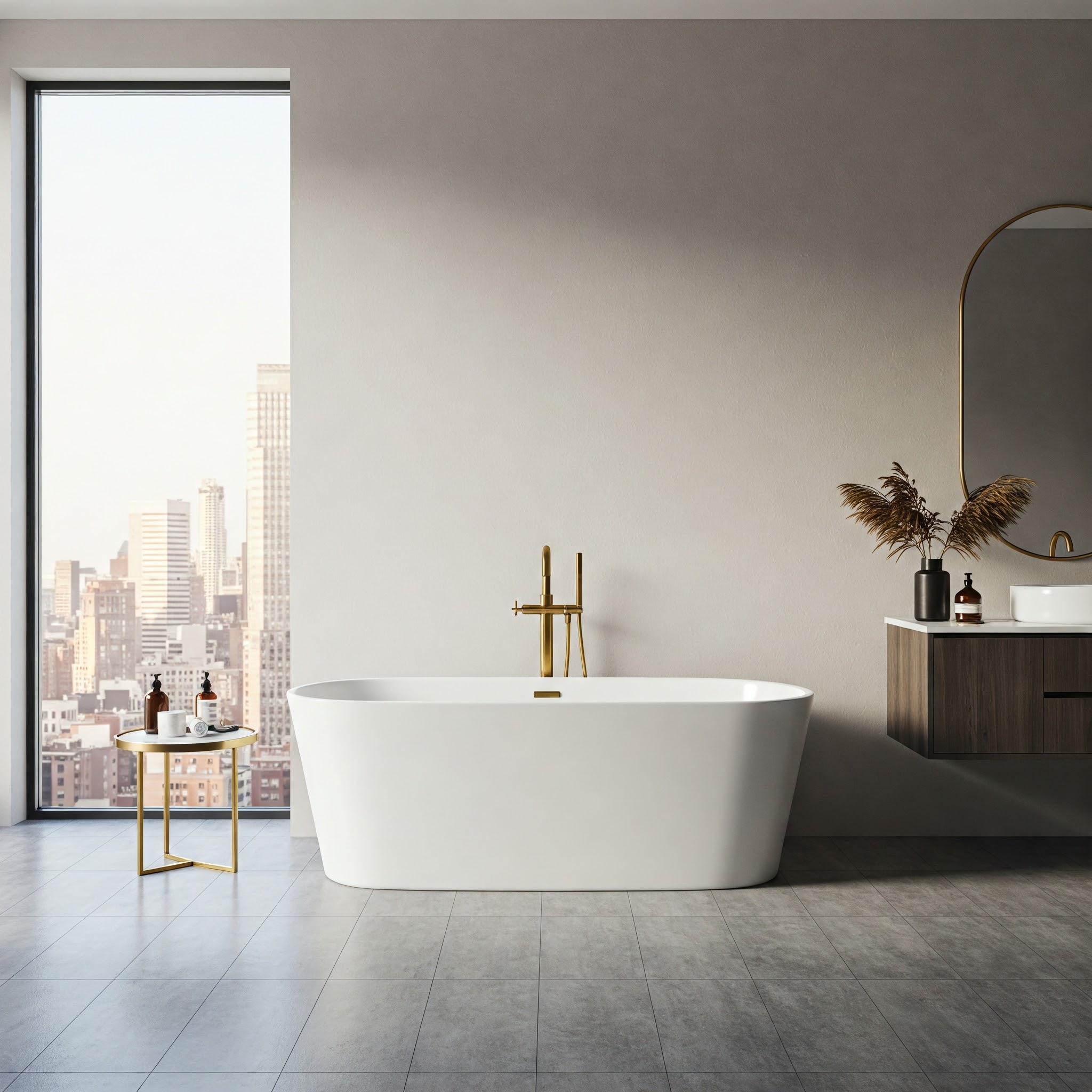

When was the last time you really thought about your bathtub water? It’s something we use almost daily, yet rarely consider beyond turning the faucet on and off. The quality, temperature, and treatment of bathtub water can dramatically impact not just your bathing experience, but also your skin health, plumbing longevity, and even your monthly utility bills.
💡Was this helpful? Spread the word! 🚀
In today’s fast-paced world, a relaxing soak in the bathtub has become more than just a cleansing ritual—it’s a sanctuary for self-care and rejuvenation. Whether you’re dealing with hard water issues, seeking the perfect temperature balance, or looking to enhance your bath with therapeutic additions, understanding bathtub-water is essential for creating the ultimate bathing experience.
As someone who has spent years researching water quality and bathroom improvements, I’ve discovered that many homeowners overlook the importance of proper bathtub water management. From mineral buildup to temperature fluctuations, the challenges are real—but so are the solutions.

Understanding Your Bathtub Water: The Basics You Need to Know
Before diving into solutions, let’s understand what we’re working with. Bathtub water comes from your home’s water supply, which varies significantly depending on your location in the USA. Municipal water systems treat water differently, and well water has its own unique properties.
The CDC reports that approximately 85% of Americans receive their water from community water systems. However, the quality of this water can still vary widely. Hard water, containing high mineral content (particularly calcium and magnesium), is common in many regions and can affect everything from how soap lathers to how your skin feels after bathing.
When bathtub water contains excessive minerals, you might notice:
✅ White residue or ring around your tub
✅ Soap that doesn’t lather well
✅ Skin feeling dry or itchy after bathing
✅ Hair that feels dull or difficult to manage
According to the U.S. Geological Survey, hard water affects more than 85% of American homes. This widespread issue makes understanding your bathtub-water quality crucial.
The Impact of Bathtub Water Temperature on Your Bathing Experience
Temperature plays a vital role in your bathing experience. The ideal bathtub water temperature ranges between 98°F and 102°F, similar to body temperature. Anything higher risks scalding, while cooler temperatures might not provide the relaxation or cleaning efficacy you desire.
Studies from the Department of Energy show that water heating accounts for approximately 18% of a home’s energy use. This makes efficient bathtub water heating not just a comfort issue, but an economic one as well.
Consider these temperature facts:
✅ Water feels hot at 106°F but can cause burns after extended exposure
✅ Therapeutic benefits typically occur between 100-102°F
✅ Children and elderly individuals require lower temperatures (97-100°F) for safety
❌ Water above 112°F can cause scalding within minutes
❌ Water below 92°F typically feels uncomfortably cool for most adults
I’ve found that maintaining the perfect bathtub water temperature becomes much easier with a quality bath thermometer. The Famidoc Baby Bath Thermometer has been a game-changer in my household. This adorable floating thermometer not only accurately measures water temperature but also serves as a bath toy for little ones. Simply toss it in the bathtub-water before you step in, and it will display the exact temperature, ensuring your bath is always perfectly heated. The Famidoc Baby Bath Thermometer is especially helpful for households with children or elderly family members who are more sensitive to temperature variations.
Hard Water vs. Soft Water: How It Affects Your Bathtub Experience
The mineral content of your bathtub-water significantly impacts your bathing experience. Hard water contains high levels of dissolved minerals, primarily calcium and magnesium, while soft water has minimal mineral content.
According to the Water Quality Association, water hardness is measured in grains per gallon (gpg) or parts per million (ppm):
- Soft: Less than 1 gpg (0-17 ppm)
- Slightly hard: 1-3.5 gpg (17-60 ppm)
- Moderately hard: 3.5-7 gpg (60-120 ppm)
- Hard: 7-10.5 gpg (120-180 ppm)
- Very hard: Over 10.5 gpg (180+ ppm)
Hard bathtub-water creates several challenges:
✅ Soap scum accumulates more quickly
✅ Minerals can dry out skin and hair
✅ Plumbing fixtures may develop scale buildup
✅ More cleaning products are required to maintain bathroom cleanliness
One practical solution I’ve discovered is the AquaBliss High Output Universal Shower Filter. This innovative filter attaches directly to your bathtub faucet and significantly reduces chlorine, heavy metals, and other impurities from your bathtub-water. After installing the AquaBliss High Output Universal Shower Filter in my bathroom, I immediately noticed softer skin and hair, plus a dramatic reduction in soap scum buildup. The multi-stage filtration system works with both hot and cold water, making it perfect for any bathtub configuration.
Comparison: Hard Water vs. Soft Water Effects on Bathing
| Aspect | Hard Bathtub Water | Soft Bathtub Water |
|---|---|---|
| Skin Feel | Often dry, itchy | Smooth, moisturized |
| Soap Lathering | Poor, requires more soap | Rich, easy lathering |
| Cleaning Required | Frequent, challenging | Less frequent, easier |
| Hair Condition | Can be dull, brittle | Typically softer, shinier |
| Plumbing Impact | Scale buildup over time | Minimal buildup issues |
💬 Just one click – help others make better buying decisions too!😊
How to Test Your Bathtub Water Quality at Home
Before investing in solutions, it’s important to understand exactly what’s in your bathtub-water. Home testing kits make this process simple and affordable.
I recently tested my own bathtub water using the JNW Direct Pool and Spa Test Strips. Though marketed for pools, these versatile strips work perfectly for bathtub-water testing as well. The JNW Direct Pool and Spa Test Strips provide accurate readings for multiple water quality factors including hardness, pH, chlorine, and alkalinity. The color-coded results are easy to interpret, giving you immediate insight into your bathtub-water composition. What I particularly appreciate is how the comprehensive results help identify specific issues rather than just general “hard water” problems.
When testing your bathtub-water, look for:
✅ pH level (ideally between 6.5-8.5)
✅ Total hardness (calcium and magnesium content)
✅ Chlorine levels
✅ Presence of contaminants like iron or sulfur
According to EPA guidelines, acceptable ranges exist for each of these parameters. Testing helps identify which specific treatments your bathtub-water might need.
DIY Bathtub Water Quality Assessment
Even without test strips, you can spot some bathtub-water issues:
- Fill a clear bottle with bathtub water and examine it against a white background
- Look for cloudiness, particles, or discoloration
- Smell the water for chlorine, sulfur, or metallic odors
- Check faucets and showerheads for mineral deposits
- Notice how soap lathers and rinses off your skin
These observations can provide valuable clues about your bathtub-water quality before purchasing specific solutions.
5 Effective Solutions for Hard Bathtub Water Problems
If you’ve identified hard water issues affecting your bathtub-water, several effective solutions can help:
1. Whole-House Water Softener Systems
For comprehensive treatment, whole-house systems address hard bathtub-water at its source. The Water Quality Association notes that ion-exchange water softeners are the most effective long-term solution for hard water issues.
These systems work by replacing calcium and magnesium ions with sodium ions, effectively “softening” the water before it reaches any faucet in your home, including your bathtub.
2. Bathtub-Specific Water Filters
For a more targeted approach, faucet attachments can filter bathtub water as it’s dispensed. One standout option I’ve personally used is the Culligan WSH-C125 Wall-Mounted Filtered Shower Head. This dual-purpose unit not only filters your bathtub water but also provides an adjustable spray pattern for the perfect showering experience. I was impressed by how the Culligan WSH-C125 significantly reduced the chlorine smell in my bathtub water while also eliminating the filmy feeling I used to experience after bathing in our hard water. The filter cartridge lasts for approximately 10,000 gallons, making it a cost-effective solution.
3. Water Softening Bath Bombs and Additives
For temporary relief, bath additives can counteract the effects of hard minerals in bathtub-water. The Breathe Natural Bath Bombs Gift Set has been my go-to solution for creating luxuriously soft bathtub water experiences. Each Breathe Natural Bath Bomb contains natural ingredients that not only soften water but also infuse therapeutic essential oils into your bath. I especially appreciate how they transform ordinary hard bathtub-water into a spa-like experience while simultaneously nourishing my skin.
4. Magnetic Water Conditioners
Though somewhat controversial in the scientific community, some homeowners report success with magnetic water treatment devices. These units claim to alter the electromagnetic properties of mineral ions, preventing them from forming scale without removing them from the bathtub water.
5. Regular Cleaning Regimens
Sometimes, the simplest solution is regular maintenance. Frequent cleaning with vinegar-based solutions can prevent mineral buildup from hard bathtub-water.
According to research from the University of Nebraska-Lincoln, white vinegar is 80-90% effective at removing mineral deposits from bathroom surfaces.
Comparison Table: Hard Water Solutions for Your Bathtub
| Solution | Initial Cost | Ongoing Maintenance | Effectiveness | Longevity |
|---|---|---|---|---|
| Whole-House Softener | $$$$ | Monthly salt replacement | Excellent | 10-15 years |
| Bathtub Filter | $$ | Filter replacement every 3-6 months | Good | 1-3 years |
| Bath Additives | $ | Purchase as needed | Temporary | Single use |
| Magnetic Conditioner | $$$ | None | Varied results | 5-10 years |
| Regular Cleaning | $ | Weekly maintenance | Good preventative | Ongoing |
💬 Just one click – help others make better buying decisions too!😊
Transform Your Bathtub Water Experience Today! 💫
➡ Ready to say goodbye to hard water problems? The solutions above offer options for every budget and commitment level. Click on any of the highlighted products to check current prices and start enjoying softer, cleaner bathtub water immediately! 🚿✨
The Science Behind Perfect Bathtub Water Temperature
Temperature control remains one of the most important aspects of a satisfying bathtub experience. Beyond comfort, there are scientific reasons why certain bathtub-water temperatures work better than others.
Research published in the Journal of Physiological Anthropology indicates that immersion in warm bathtub water (around 100°F) can improve blood circulation, reduce stress hormones, and promote better sleep quality.
To achieve the perfect temperature consistently, I recommend the Digital Hot Water Temperature Gauge by Petratools. This precision instrument has revolutionized my bathing routine by providing exact temperature readings of bathtub water within seconds. The Digital Hot Water Temperature Gauge features an easy-to-read display and works with just a few drops of water, allowing you to test your bathtub-water before fully immersing yourself. It’s particularly useful for those with sensitive skin or when preparing baths for children or elderly family members.
Consider these temperature recommendations for different bathing goals:
✅ Relaxation and stress relief: 100-102°F
✅ Muscle recovery after exercise: 102-104°F (for short periods)
✅ Better sleep preparation: 98-100°F
✅ Energizing morning bath: 95-98°F
❌ Avoid temperatures above 105°F for extended periods
❌ Don’t use temperatures below 93°F unless specifically for therapeutic contrast bathing
Bathtub Water Conservation: Eco-Friendly Practices
With growing environmental concerns, many homeowners are seeking ways to enjoy their baths while conserving bathtub-water. According to the EPA, the average bath uses 35-50 gallons of water, compared to a 10-minute shower using 25 gallons.
Here are practical tips for reducing bathtub water usage:
- Fill your tub only 1/3 full for a standard soak
- Install a bathtub water recycling system for garden irrigation
- Capture cold water while waiting for hot water to reach the tub
- Use biodegradable bath products that won’t harm plants if water is reused
- Maintain your plumbing to prevent bathtub water waste through leaks
One product that has helped me significantly reduce waste is the SlipX Solutions Bottomless Bath Overflow Drain Cover. This simple device allows you to safely fill your bathtub-water to a higher level, creating a deeper, more immersive bath experience while actually using less water. The SlipX Solutions Overflow Drain Cover attaches securely with suction cups and includes a channel that prevents dangerous overfilling while still allowing you to add several more inches of bathtub water than a standard tub would permit.
Enhancing Your Bathtub Water with Therapeutic Additions
Beyond just getting clean, bathtub water can become a vehicle for therapeutic benefits. Various additives can transform ordinary bathtub-water into a healing experience.
According to a study in the Journal of Alternative and Complementary Medicine, certain bath additives can be absorbed through the skin, providing genuine therapeutic effects beyond simple relaxation.
Some evidence-based bathtub water enhancements include:
✅ Epsom salts (magnesium sulfate) for muscle recovery
✅ Dead Sea salts for skin conditions like psoriasis and eczema
✅ Essential oils for aromatherapy benefits
✅ Colloidal oatmeal for skin soothing
✅ Baking soda for gentle pH balancing
My personal favorite therapeutic addition is the Solimo Epsom Salt Soak. This pharmaceutical-grade magnesium sulfate dissolves quickly in bathtub-water and provides remarkable relief for sore muscles and joints. I’ve found that adding Solimo Epsom Salt Soak to warm bathtub water creates a deeply relaxing experience that helps me recover faster after workouts. The unscented formula allows you to add your own essential oils if desired, creating a customized therapeutic bath.
Get The Ultimate Therapeutic Bath Experience! 🌿
➡ Looking to transform ordinary bathtub water into a healing oasis? The Solimo Epsom Salt Soak delivers professional-grade results at an affordable price. Click to check availability and start your journey to better recovery and relaxation! 💆♀️🛀
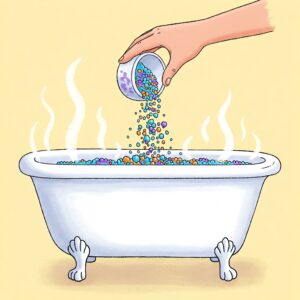
Common Bathtub Water Problems and Quick Solutions
Even with good quality water, bathtub users often encounter specific issues. Here are solutions to common bathtub-water problems:
Discolored Bathtub Water
If your bathtub water appears yellow, brown, or reddish, you likely have iron or rust in your water supply. This isn’t just unsightly—it can stain fixtures and clothing.
Solution: The PUR Plus Faucet Mount Water Filtration System effectively removes many contaminants causing discoloration. I installed the PUR Plus Faucet Mount System when we moved into an older home with rusty pipes, and the difference was immediate. While primarily designed for kitchen use, it can be temporarily attached to bathroom faucets when filling a tub, ensuring your bathtub water remains crystal clear.
Low Water Pressure
Weak water flow extends tub filling time and creates a less satisfying bathing experience.
Solution: Start by checking for partially closed valves near your bathtub. If that’s not the issue, consider installing a High-Pressure Shower Head with Handheld Sprayer that can also be used to fill your tub faster. These pressure-boosting fixtures use special design features to maximize flow even in low-pressure systems.
Fluctuating Water Temperature
Few things ruin a bath faster than unexpected temperature changes in your bathtub water.
Solution: The Moen T2153 Posi-Temp Pressure-Balancing Tub and Shower Valve maintains consistent bathtub water temperature even when other water sources are used simultaneously in your home. This behind-the-wall solution prevents the dreaded “cold water shock” when someone flushes a toilet or runs a dishwasher while you’re bathing.
Excessive Chlorine in Bathtub Water
Municipal water systems use chlorine for disinfection, but excessive amounts can irritate skin and eyes while creating an unpleasant bathing experience.
Solution: The Vitafusion Vitamin C Shower Filter effectively neutralizes chlorine in bathtub water through a dechlorination process using vitamin C. I noticed an immediate difference in how my skin felt after installing this filter—no more dryness or slight chlorine smell in the bathroom after bathing.
DIY Bathtub Water Treatments: Natural Solutions on a Budget
Not all bathtub water improvements require expensive equipment. Several household items can effectively address common water issues:
Vinegar Rinse for Hard Water
After bathing in hard water, a final rinse with a diluted white vinegar solution (1 cup vinegar to 1 gallon bathtub water) can help remove mineral residue from skin and hair.
Lemon for Water Spots
Cut lemons can naturally remove water spots from fixtures and tub surfaces due to their citric acid content.
Baking Soda Bath
Adding 1/2 cup of baking soda to bathtub water helps neutralize chlorine and balances pH levels for sensitive skin.
According to research from the National Eczema Association, baking soda baths can provide relief for itchy, irritated skin conditions.
Tea Bath for Sunburns
Brewing strong black tea and adding it to lukewarm bathtub water can help soothe sunburned skin due to its tannin content.
DIY Bath Bombs
You can create your own water-softening bath bombs using simple ingredients like citric acid, baking soda, Epsom salts, and essential oils.
The Future of Bathtub Water Technology
Bathroom technology continues to evolve, with several innovations specifically addressing bathtub water quality and experience:
Smart Temperature Control
Digital thermostatic mixing valves now allow precise control of bathtub water temperature through smartphone apps, ensuring the perfect temperature every time.
Water Recirculation Systems
New bathtub designs include water purification and heating systems that continuously filter and maintain bathtub water temperature, reducing water usage while extending bath time.
Chromatherapy (Light Therapy)
Advanced tubs now incorporate LED lighting systems that change the color of bathtub water, providing additional therapeutic benefits through chromatherapy.
One accessible way to experience this technology is with the Adoric Bath Light. This waterproof, color-changing LED light transforms ordinary bathtub water into a vibrant chromatherapy experience. The Adoric Bath Light is completely submersible and cycles through multiple colors, creating a luxurious spa-like atmosphere in any standard bathtub. I’ve found it particularly effective for evening relaxation, as the gentle color transitions help calm my mind after a stressful day.
Microbubble Technology
The latest innovation in bathing technology involves systems that infuse bathtub water with microscopic bubbles that deeply cleanse pores and improve circulation.
According to research from Japan, where the technology was pioneered, microbubble bathtub water may improve skin hydration by up to 40% compared to conventional baths.
How Bathtub Water Quality Affects Different Groups
Water sensitivity varies significantly across populations:
Children and Bathtub Water
Children have thinner, more permeable skin that absorbs substances from bathtub water more readily than adult skin. This makes water quality particularly important for young bathers.
The American Academy of Pediatrics recommends testing bath water temperature and quality regularly for households with children.
Elderly Individuals
Aging skin tends to be drier and more sensitive to harsh minerals in bathtub water. Seniors often benefit most from softened, filtered water and temperature-controlled bathing systems.
People with Skin Conditions
Those with eczema, psoriasis, and other dermatological conditions are significantly affected by bathtub water quality. According to the National Psoriasis Foundation, bathing in soft, properly pH-balanced water can help manage symptoms.
For those with sensitive skin, I highly recommend the Tree to Tub Soapberry Body Wash. This gentle cleanser is specifically formulated to work effectively even in hard bathtub water conditions. The Tree to Tub Body Wash creates a rich lather regardless of your water type and leaves no residue behind. What sets it apart is the natural soapberry extract that automatically balances to your skin’s ideal pH level, providing effective cleansing without stripping essential moisture.

Creating the Ultimate Bathtub Water Experience: A Step-by-Step Guide
To bring together all these insights, here’s my comprehensive approach to creating the perfect bathing experience:
Step 1: Test and Treat Your Water Source
Start by understanding your specific bathtub water profile and address any fundamental issues with appropriate filtration or softening.
Step 2: Optimize Temperature Control
Install reliable temperature regulation systems to ensure consistent, safe bathtub water temperature.
Step 3: Add Therapeutic Elements
Enhance your bathtub water with appropriate salts, oils, or other additives based on your specific needs and goals.
Step 4: Consider Environmental Impact
Implement water conservation measures to reduce waste while still enjoying a satisfying bath experience.
Step 5: Invest in Quality Bath Products
Choose soaps, shampoos, and cleaning products specifically formulated for your water type to maximize effectiveness.
Conclusion: Transforming Your Bathtub Water Experience
The quality of your bathtub water affects everything from skin health to relaxation benefits and even plumbing longevity. By understanding the specific characteristics of your water supply and implementing targeted solutions, you can transform an ordinary bath into an extraordinary self-care ritual.
Whether you’re dealing with hard water minerals, temperature fluctuations, or simply want to enhance your bathing experience, the solutions outlined in this guide provide effective options for every situation and budget. From simple DIY treatments to advanced technological solutions, better bathtub water is within everyone’s reach.
Remember that bathtub water quality isn’t just about comfort—it impacts health, home maintenance, and environmental sustainability. By giving this often-overlooked aspect of daily life the attention it deserves, you’ll enjoy benefits that extend far beyond the bathroom.
Your Perfect Bath Awaits! 🛁✨
➡ Transform your bathing routine today with the perfect combination of water treatment solutions and therapeutic additions. Click on any highlighted product to check current prices and availability. Your skin, mind, and senses will thank you! 🧖♀️🧖♂️
More FAQ
❓ How much water does a standard bathtub hold?
✅ Most standard bathtubs hold between 40 to 80 gallons of water, depending on the size and shape of the tub…
❓ Can bathtub water be reused for plants?
✅ Yes, bathtub water can be reused for watering plants if it doesn’t contain harsh chemicals like bleach or synthetic shampoos…
❓ How do you keep bathtub water warm longer?
✅ To retain bathtub water heat, use a thermal bath cover, insulate the tub’s underside, or add hot water gradually throughout the soak…
❓ Is it safe to bathe in cloudy bathtub water?
✅ Cloudy bathtub water may indicate mineral buildup or residue; it’s generally safe but should be checked to avoid skin irritation…
❓ What temperature should bathtub water be for comfort?
✅ The ideal bathtub water temperature for comfort is around 100°F to 104°F, which balances warmth without risking overheating…
Recommended for You:
- 10 Luxurious Stone Bathtub Designs That Transform Bathrooms in 2025
- Fiberglass Bathtub: 15 Essential Expert Tips for Choosing, Installing & Maintaining the Perfect Tub in 2025
- Walk Bathtub Shower Combo: 7 Best Options For Accessible Bathing in 2025
Disclaimer: This article contains affiliate links. If you purchase products through these links, we may earn a small commission at no additional cost to you.
✨ Found this helpful? Share it with your friends! 💬🤗