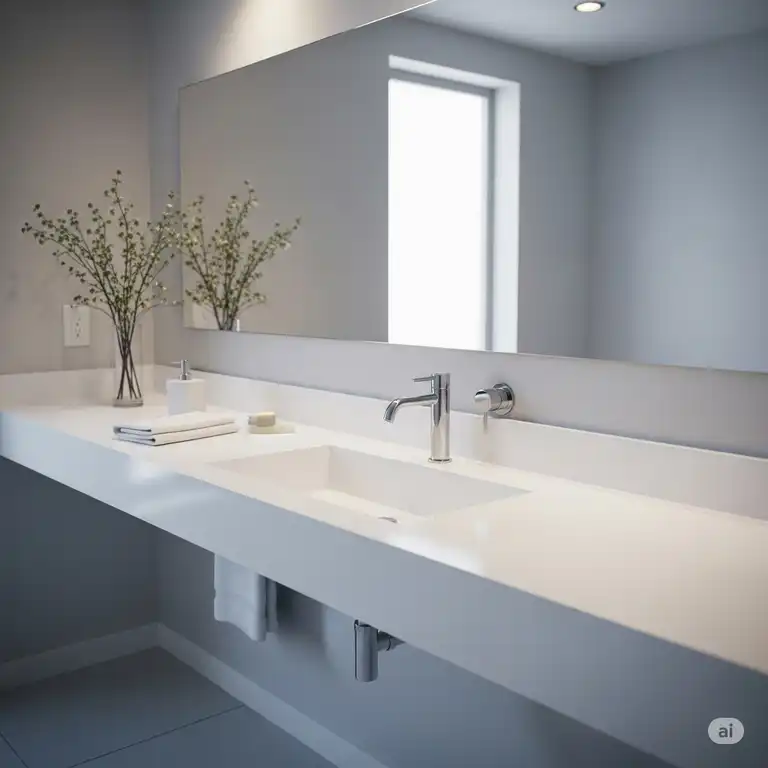
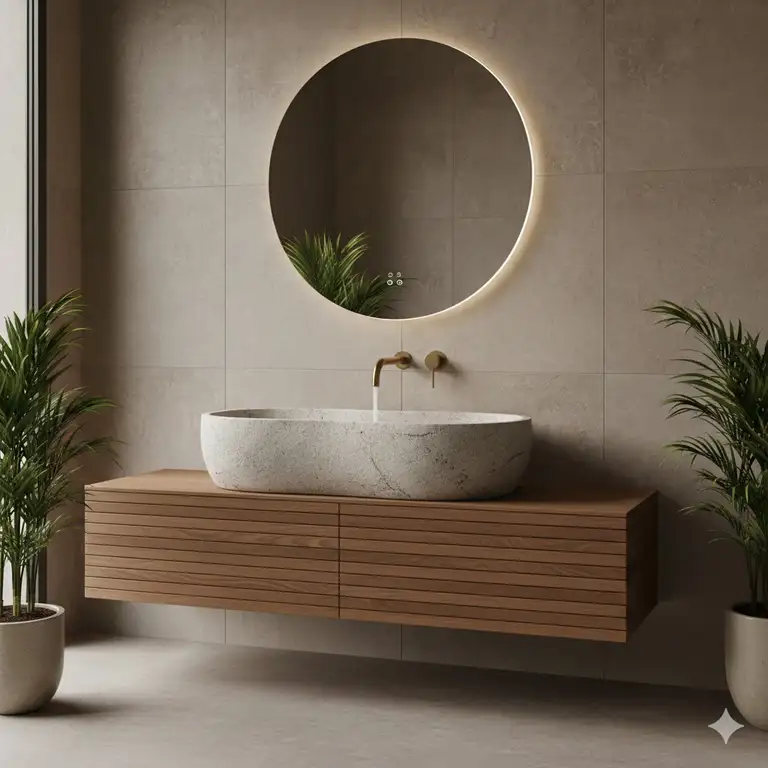
The humble bathroom sink, once a purely utilitarian fixture, is shedding its staid reputation and becoming a true centerpiece of design, technology, and sustainability. If you’re planning a remodel or simply curious about what’s next, you’re looking at a wave of innovation that blends spa-like serenity with cutting-edge smart features. The future of bathroom sink design trends 2026 is not just about a basin for washing hands; it’s about crafting an integrated, emotional experience.
✨Was this helpful? Spread the word! 🚀
For the modern American homeowner, the bathroom is evolving into a personal sanctuary—a “spa-throom”—where every detail contributes to wellness and visual calm. This deep dive will explore the dominant aesthetic, material, and technological shifts shaping bathroom sink design trends 2026 and beyond, offering expert analysis on specific, high-quality products available right now. We’re moving toward highly personalized, touchless, and beautifully organic spaces.
🌊 Quick Comparison: Defining the 2026 Sink Archetype
Before we dive into the specifics, let’s contextualize the emerging sink designs against the traditional fixtures you might be familiar with. In 2026, the contrast is stark: it’s a move from simple function to holistic experience.
| Feature Category | Traditional Sink Design (2010s) | 2026 Bathroom Sink Design Trends (The Future) |
| Aesthetics/Style | Basic oval/rectangular, white ceramic, utilitarian focus. | Sculptural, organic shapes (asymmetrical, curved, fluted), matte finishes (matte black, terracotta, sage green). |
| Materiality | Standard Porcelain/Vitreous China, polished chrome fixtures. | Natural stone, recycled glass, eco-friendly concrete, Tadelakt plaster, bamboo composites, brushed metals (brushed nickel, brushed brass). |
| Installation | Drop-in (self-rimming) or pedestal. | Floating vanities, wall-mounted sinks, integrated seamless sinks. |
| Technology | Standard turn-knob faucets, fixed lighting. | Touchless faucets (motion-activated), integrated LED temperature indicators, smart storage with internal charging docks, sensor-controlled ambient lighting. |
| Key Benefit | Functionality and cost-efficiency. | Wellness, Sustainability, and Hygienic Convenience. |
This table clearly highlights the shift. The future of bathroom sink design trends 2026 emphasizes sensory experience and integration, making the sink a deliberate design choice that enhances the overall “spa-at-home” atmosphere.
🔝 Top 7 Bathroom Sink Products: Expert Analysis for 2026 Trends
To truly understand the future of bathroom sink design trends 2026, we must look at the real-world products that are embodying these movements. The following seven fixtures represent the core trends—from organic materials to sleek, minimalist integration—and are available on major retail platforms for U.S. consumers.
1. Nantucket Sinks SR-18×13-W Undermount Rectangle Fireclay Sink
This product anchors the “Pure Craft” and “Authenticity” trends. While a traditional undermount in form, its fireclay construction speaks directly to the demand for artisanal, durable materials that will outlast synthetic options.
-
Technical Specifications:
-
Material: Fine Fireclay
-
Installation: Undermount
-
Exterior Dimensions: 18 inches x 13 inches
-
Bowl Depth: 6 inches
-
Drain Opening: Standard 1.75 inches
-
Overflow: Yes
-
Finish: White Glazed, Scratch and Stain Resistant
-
-
Customer Review Analysis: Reviewers frequently praise the “high-end, custom look” and the “incredibly deep, functional bowl” that minimizes splashing. The fireclay is consistently noted for its easy-to-clean, non-porous surface, which is a major hygiene benefit. Some customers caution that the weight requires a sturdy vanity structure for installation.
-
Pros/Cons Analysis:
-
Pros: Deep bowl capacity; artisanal look of fireclay; highly durable and stain-resistant; classic form factor ensures longevity.
-
Cons: Heavy, potentially requiring professional installation; limited to a single color (classic white); slightly higher cost than standard porcelain.
-
2. Kraus KCV-361 Elavo Ceramic Rectangular Vessel Sink in Matte Black
The Kraus KCV-361 Elavo hits the “Bold Contrast” and “Matte Finish” trends. Its dramatic matte black finish transforms the vessel sink from an accent to a central focal point, aligning perfectly with the desire for expressive, non-white fixtures in 2026. This is a perfect example of a modern vessel sink design.
-
Technical Specifications:
-
Material: Premium Ceramic (Vitreous China)
-
Installation: Vessel (Above Counter)
-
Exterior Dimensions: 24 inches x 13.8 inches
-
Bowl Height: 4.75 inches
-
Drain Opening: Standard 1.75 inches (no overflow)
-
Finish: Non-porous, Scratch-Resistant Matte Black
-
-
Customer Review Analysis: Users love the “sleek, architectural look” and the “fingerprint-resistant matte surface.” The matte black finish is described as a sophisticated contrast against lighter countertops. A common piece of feedback is the need to carefully select a tall vessel faucet that complements the sink’s sharp rectangular profile.
-
Pros/Cons Analysis:
-
Pros: Striking matte black finish; easy above-counter installation; durable, chip-resistant ceramic; on-trend minimalist aesthetic.
-
Cons: Requires a specific tall faucet; no overflow hole (a consideration for potential flooding); the rectangular shape can hold standing water at the corners if not sloped well.
-
3. VIGO Glass Square Vessel Bathroom Sink with Waterfall Faucet in Brown/Gold
This product is a prime example of the “Sculptural Lighting and Soft Illumination” trend. Its unique, handcrafted glass construction and accompanying waterfall faucet make it a piece of functional art, embracing the idea of fixtures as sculptural elements.
-
Technical Specifications:
-
Material: Tempered Glass (Hand-Painted)
-
Installation: Vessel
-
Sink Dimensions: 16.5 inches square
-
Glass Thickness: 0.5 inches (12mm)
-
Faucet: Included, Solid Brass Construction, Oil Rubbed Bronze/Brown Finish
-
Flow Rate: 1.2 GPM (Gallons Per Minute) – aligns with water-saving trends.
-
-
Customer Review Analysis: Customers highlight the “stunning, one-of-a-kind appearance” and how the glass “catches the light beautifully.” The integrated waterfall faucet is a major selling point, though some reviewers noted that maintaining a streak-free shine on the glass requires more frequent wiping.
-
Pros/Cons Analysis:
-
Pros: Highly artistic and unique design; integrated water-saving faucet system; provides an immediate luxury focal point; strong visual interest and textural depth.
-
Cons: Requires more upkeep to maintain streak-free look; glass can feel cold to the touch; the shape is less practical than a standard bowl for catching splashes.
-
4. Lordear 48-Inch Integrated Sink and Vanity Top in White Artificial Stone
This unit represents the pinnacle of the “Integrated Sink and Vanity Trends 2026,” specifically focusing on seamless, easy-to-clean surfaces. The one-piece design eliminates the rim and seams between the sink and counter, delivering the sought-after minimalist, clutter-free look. This perfectly addresses the need for seamless, modern surfaces.
-
Technical Specifications:
-
Material: Artificial Stone Composite (Solid Surface)
-
Installation: Countertop/Integrated
-
Dimensions: 48 inches (Width) x 22 inches (Depth)
-
Sink Type: Integrated Rectangular Bowl
-
Faucet Holes: 3 (8-inch widespread) or 1 (customizable)
-
Color: Pure White Matte
-
-
Customer Review Analysis: The most common praise centers on the “unbelievably easy cleaning” due to the seamless design. Homeowners appreciate the high-end look without the maintenance worries of natural stone. A few reports mentioned that while the artificial stone is durable, it can be susceptible to deep scratches if abrasive cleaners are used.
-
Pros/Cons Analysis:
-
Pros: Seamless, minimalist design; highly resistant to staining and moisture; exceptional hygiene due to lack of grout lines; ideal for a spa-like retreat.
-
Cons: Composite material lacks the natural variation of real stone; can be challenging to repair deep scratches; a large, heavy unit requiring careful handling.
-
5. Kohler K-2882-0 Trough Vessel Sink in White
Trough sinks, like the Kohler K-2882-0, are leading the charge for “Fluid Spaces” and “Double Vanities for Shared Spaces.” This elongated, shallow design is perfect for master bathrooms or shared family baths, prioritizing shared functionality and a strong, linear aesthetic. This is a must-have for large or luxury bathrooms.
-
Technical Specifications:
-
Material: Vitreous China
-
Installation: Vessel/Countertop
-
Dimensions: 33 inches (Length) x 14 inches (Width)
-
Basin Shape: Rectangular/Trough
-
Faucet Options: Requires 2 wall-mount or 2 tall deck-mount faucets
-
Design Note: Features gently sloped sides for excellent drainage.
-
-
Customer Review Analysis: Users frequently cite its “unique, linear presence” and its practicality for simultaneous use by multiple people. “It turned my standard vanity into a luxury double-sink experience” is a common sentiment. The need for two faucets (sold separately) and the higher cost of installation are points often raised.
-
Pros/Cons Analysis:
-
Pros: Ideal for shared bathrooms; high-end brand reputation (Kohler); linear design supports minimalist, uncluttered aesthetics; excellent drainage.
-
Cons: High total installation cost (requires two faucets); its wide nature demands significant countertop space; shallow design means it’s more prone to splashing than a deep basin.
-
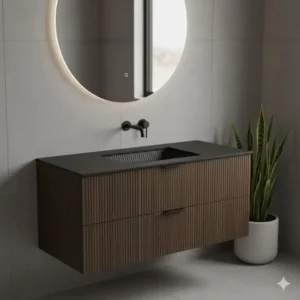
6. Pfister LF-042-JDKK Touchless Bathroom Faucet in Matte Black
While not a sink, this smart bathroom sink technology product is crucial. The future of the bathroom is touchless. The Pfister LF-042-JDKK faucet pairs perfectly with any of the sink options above, embodying the ‘Technology Meets Tranquillity’ trend and the focus on hygienic, water-saving operation.
-
Technical Specifications:
-
Type: Single Handle Touchless Faucet
-
Finish: Matte Black
-
Flow Rate: 1.2 GPM (EPA WaterSense Certified)
-
Sensor: IR (Infrared) Motion Sensor
-
Installation: Single-hole mount
-
Power Source: Battery-operated (AA batteries)
-
Special Feature: Features an auto-off function to prevent water waste.
-
-
Customer Review Analysis: Reviewers universally appreciate the “hygienic benefit” and the “futuristic feel” of motion activation. The 1.2 GPM flow is praised for meeting sustainability goals without feeling overly restricted. Some first-time users noted a small learning curve for the sensor’s range.
-
Pros/Cons Analysis:
-
Pros: Core smart home technology for hygiene; significant water saving (low flow rate); on-trend matte black finish; easy installation (no hardwiring needed).
-
Cons: Requires periodic battery replacement; sensor responsiveness can be tricky to fine-tune; higher initial cost compared to a standard manual faucet.
-
7. Native Trails CPT17 Copper Round Vessel Sink in Antique Copper
This luxury fixture taps into the “Warm Expressions” and “Natural Materials and Organic Textures” trend. Copper is a living finish, offering a rich, warm, and authentic texture that evolves beautifully over time, providing a deep emotional connection to the space. It’s a bold choice that perfectly captures the “Pure Craft” movement.
-
Technical Specifications:
-
Material: Recycled Copper (16-Gauge)
-
Installation: Vessel
-
Dimensions: 17 inches (Diameter) x 6 inches (Depth)
-
Drain Opening: Standard 1.5 inches
-
Finish: Hand-hammered, Antique Copper
-
Note: Copper is naturally anti-microbial, enhancing the hygienic appeal of the sink.
-
-
Customer Review Analysis: Customers describe the “stunning patina” and the “weight and quality” as unmatched. Many comments focus on the “warmth and character it adds to the bathroom.” Buyers must be aware of the specific care needed to manage the copper’s natural patina process.
-
Pros/Cons Analysis:
-
Pros: Eco-friendly (made from recycled copper); naturally anti-microbial; develops a unique, rich patina over time; exceptional durability and luxurious, tactile finish.
-
Cons: Requires specific, non-acidic cleaners; premium price point; the patina will change, which may not appeal to those who prefer a static finish.
-
🛍️ Secure Your Dream Sink!
Don’t just read about the future; build it! Click on any of the product names above to explore current pricing and see how these cutting-edge designs can instantly upgrade your space. Start your ‘spa-throom’ transformation today! ✨
💬 Just one click – help others make better buying decisions too!😊
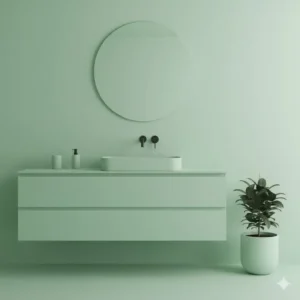
📐 Technical Specifications Matrix: 2026 Trendsetters
Selecting the right sink involves going beyond looks; it’s about specifications. Here is a detailed matrix for the core sink products, allowing for a side-by-side technical comparison. Understanding these specifications is paramount when designing a forward-thinking bathroom.
| Product Model | Type/Installation | Material | Dimensions (Approx.) | Faucet Compatibility | Overflow? | Primary 2026 Trend |
| Nantucket Sinks SR-18×13-W | Undermount | Fine Fireclay | 18″L x 13″W x 6″D | Deck-mount | Yes | Pure Craft & Durability |
| Kraus KCV-361 Elavo | Vessel | Premium Ceramic | 24″L x 13.8″W x 4.75″H | Tall/Wall-mount | No | Matte Finish & Bold Contrast |
| VIGO Glass Square Vessel | Vessel | Tempered Glass | 16.5″ Square x 5.5″H | Tall/Wall-mount (included) | No | Sculptural Lighting & Artistry |
| Lordear 48-Inch Integrated | Integrated | Artificial Stone Composite | 48″W x 22″D x 6″H | Deck-mount (Widespread) | Yes | Seamless Minimalism |
| Kohler K-2882-0 Trough | Trough Vessel | Vitreous China | 33″L x 14″W x 4.5″H | Wall-mount (Dual) | Yes | Fluid Spaces & Shared Luxury |
| Native Trails CPT17 | Vessel | Recycled Copper | 17″ Diameter x 6″D | Tall/Wall-mount | No | Natural Materials & Warmth |
🎨 Aesthetic & Material Innovations: What Defines Future of Bathroom Sink Design Trends 2026
The visual language of the 2026 bathroom sink is fundamentally changing. We are moving away from sterile, glossy whites towards warm, textured, and expressive finishes.
The Rise of Textured and Matte Finishes
One of the most noticeable shifts in bathroom sink design trends 2026 is the preference for matte and textured surfaces. Glossy, high-shine ceramic is giving way to a more tactile experience, reflecting a desire for materials that feel authentic and grounded.
-
Matte Black and Dark Hues: Products like the Kraus KCV-361 Elavo have brought matte black into the mainstream. This finish acts as a sophisticated anchor in the bathroom, providing a striking contrast to light-colored stone or wood vanities. Furthermore, the matte surface is much more forgiving with water spots and fingerprints than a polished finish, which adds a layer of practical luxury.
-
The Earth Palette: Deep charcoal grays, warm terracotta, and soft sage greens are replacing stark white. These colors tie into the broader biophilic design movement, aiming to connect indoor spaces with nature. For example, a sink in an earthy tone pairs beautifully with a floating vanity in light oak, fostering a sense of calm and tranquility.
The Sustainable Material Revolution
Sustainability is no longer a niche concept; it’s a foundational principle of high-end design. Consumers are actively seeking sustainable bathroom sink materials 2026.
-
Eco-Friendly Concrete and Composite Stone: These materials allow for custom, seamless shapes—often seen in integrated sink and vanity trends—while utilizing recycled or low-impact aggregate content. They offer a raw, honest texture that aligns with the “Pure Craft” trend.
-
Recycled Glass and Copper: The Native Trails CPT17 is a perfect example of how recycled materials can deliver luxury. The hand-hammered texture and the anti-microbial properties of copper add both visual and functional depth. Recycled glass sinks, with their unique translucence and color variation, become light-capturing sculptural elements.
-
Tadelakt and Limestone: For a truly custom, high-end look, the ancient Moroccan plaster Tadelakt is making a comeback. When applied by an expert, it creates a seamless, water-resistant basin that flows organically into the countertop and walls, completely eliminating grout lines—a key feature of the holistic Fluid Spaces approach.
📊 Key Features/Benefits Comparison: Modern vs. Organic Sinks
To help you decide which material path to take, this table compares the benefits and challenges of two major trend categories: the sleek, integrated modern surfaces and the rich, organic, natural options.
| Feature/Benefit | Integrated/Artificial Stone (Modern) | Natural Stone/Copper/Tadelakt (Organic) |
| Aesthetic Result | Seamless, minimalist, clean, highly contemporary. | Warm, textured, authentic, deep character, evolving patina. |
| Hygiene/Cleaning | Excellent. Completely seamless, non-porous (e.g., Lordear). | Excellent. Copper is naturally anti-microbial; Tadelakt is mold-resistant. |
| Durability | Very high; stain-resistant; uniform strength. | High; can resist heat, but may chip or require specific sealing/care. |
| Customization Potential | Very High. Can be cast in any shape or size (e.g., integrated sink and vanity trends). | Moderate. Limited by natural slab size and material properties. |
| Environmental Impact | Generally mid-low (if recycled/low-VOC composites are used). | Low. Often recycled (copper) or derived from natural, abundant resources. |
| Long-Term Look | Static, maintains its original appearance. | Dynamic, will age and develop a unique patina over decades (e.g., Native Trails CPT17). |
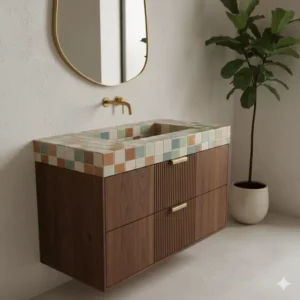
💻 The Smart Sink: Technology Meets Tranquillity in 2026
The convergence of home automation and bathroom design is creating the ‘Smart Sink’—a system focused on hygiene, efficiency, and customized wellness. This is where the future of bathroom sink design trends 2026 gets genuinely futuristic.
Touchless Operation and Water Efficiency
The pandemic dramatically accelerated the acceptance of touchless fixtures, making them a staple in high-end residential design. This is more than just a convenience; it is a core feature for hygiene and sustainability.
-
Motion-Activated Faucets: The Pfister LF-042-JDKK touchless faucet is a perfect example. Using infrared sensors, it turns water on and off automatically, preventing the spread of germs on handles and significantly reducing water waste. With flow rates often at 1.2 Gallons Per Minute (GPM), these fixtures are fully compliant with EPA WaterSense standards, embodying the commitment to conscious design.
-
Integrated Temperature Control: Advanced smart bathroom sink technology 2026 is moving toward faucets with digital temperature control interfaces. Imagine setting your preferred washing temperature (e.g., 98.6°F) and the faucet automatically maintaining it, eliminating the frustrating adjustment dance and saving hot water. Some models even feature subtle LED rings that change color to warn users if the water is too hot (red) or cold (blue), a subtle but powerful safety feature.
Concealed Fixtures and Seamless Integration
In a truly minimalist bathroom sink design trends 2026 space, technology shouldn’t be seen; it should simply work.
-
Concealed Faucets: Wall-mounted or concealed faucets are surging in popularity. They hide the bulky mechanics within the wall, leaving only a sleek spout and minimal controls visible. This streamlined look contributes to the uncluttered, spa-like aesthetic that is in high demand, particularly when paired with a clean-lined vessel or trough sink like the Kohler K-2882-0.
-
Smart Vanities: The smart evolution extends to the storage beneath the sink. Vanities now feature integrated electrical outlets hidden inside drawers for charging toothbrushes, shavers, and hair tools, keeping countertops entirely clear. The use of soft-glow LED strips placed beneath floating vanities adds a subtle, non-intrusive ambient light, perfect for late-night use.
💰 Budget/Value Comparison: Making the 2026 Trends Accessible
The future of bathroom sink design trends 2026 covers a wide range of price points. This table provides a comparison of initial costs and long-term value, breaking down options for budget-conscious, mid-range, and premium buyers.
| Sink/Product Example | Price Range Estimate | Material & Design Focus | Value Proposition (Why it’s trending in 2026) |
| Budget/Entry-Level | $100 – $300 | Vitreous China Vessel or Undermount (Standard Shapes) | Accessible way to achieve the vessel or undermount look; easy swap for immediate style upgrade. |
| Mid-Range/High-Value | $300 – $800 | Kraus KCV-361 Elavo (Matte Finish) / Nantucket Sinks SR-18×13-W (Fireclay) | Introduces a key 2026 trend (matte finish, natural material) with proven durability and brand reliability. |
| Premium/Luxury | $800 – $2,500+ | Native Trails CPT17 (Copper) / Lordear 48-Inch Integrated (Composite) | Highest level of design, material authenticity, and seamless integration; delivers the spa-throom experience. |
| Smart Tech (Accessory) | $200 – $500 | Pfister LF-042-JDKK (Touchless Faucet) | Essential for smart bathroom sink technology 2026; hygienic, water-saving, and future-proof. |
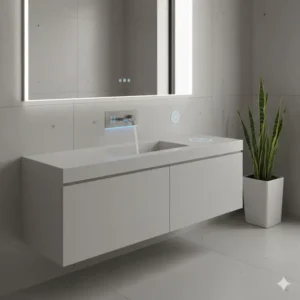
💭 In-Depth Analysis: The Secondary Keyword Deep Dive
The core trend is undeniably the future of bathroom sink design trends 2026, but the accompanying movements offer rich detail and essential context. Let’s explore the crucial secondary keywords that are driving homeowner decisions.
Exploring Modern Vessel Sink Design Trends
The vessel sink—the bowl that sits atop the counter—has been around for a while, but its design is becoming more radical and sculptural. We are seeing a move away from simple ceramic bowls to complex, asymmetrical, or fluted forms that mimic fine pottery.
-
Asymmetry and Organic Lines: The best modern vessel sink design trends for 2026 embrace organic imperfection. Think bowls with slightly irregular edges or gentle, flowing curves that soften the harsh lines often found in contemporary bathrooms. This ties into the broader concept of Fluid Spaces, where the bathroom elements are meant to flow into one another. The visual effect is less ‘fixture’ and more ‘sculpture.’
-
Tactile Textures: Beyond the matte finishes, vessel sinks are sporting visible textures. Fluting—vertical ridges that create shadow and depth—is a massive trend, turning the basin into a tactile statement piece. When illuminated by subtle LED lighting, as mentioned in the smart technology section, these textures truly come alive.
Seamless Integration: Integrated Sink and Vanity Trends
The pursuit of a clean, minimalist aesthetic has made the integrated sink and vanity trends a powerhouse for 2026. This is where the sink and countertop are cast or manufactured as a single, continuous piece.
-
Hygiene and Effortless Cleaning: The primary advantage, as showcased by products like the Lordear 48-Inch Integrated Sink, is the complete absence of seams or grout lines. This eliminates places for mold, mildew, and grime to collect, making the system inherently more hygienic and easier to clean than a traditional drop-in or undermount sink.
-
The Floating Vanity Partnership: Integrated sinks are almost always paired with floating vanities. This combination provides two key benefits: it maximizes floor space (making the room appear larger), and it emphasizes the visual continuity of the integrated sink, reinforcing the clean, high-end, and minimalist look that defines the future of bathroom sink design trends 2026.
The Role of Smart Bathroom Sink Technology
As discussed, smart features are non-negotiable for a truly 2026-ready bathroom. The technology is subtly woven into the design to enhance the experience without cluttering the aesthetic.
-
Personalized Wellness: The future of bathroom sink technology might involve voice-activated commands to set specific water temperatures or flow rates. Imagine saying, “Set water for morning cleanse,” and the system adjusts perfectly. This focus on personalized ritual transforms the sink from a functional item into a personal wellness tool.
-
Data and Efficiency: In the near future, smart sinks will likely track water usage and alert homeowners to leaks or inefficient habits via an app. This commitment to water conservation is a critical element of the sustainable bathroom sink materials 2026 ethos, providing a tangible link between smart technology and environmental responsibility.
Analyzing Sustainable Bathroom Sink Materials
The choice of material carries a moral weight in 2026. Homeowners are increasingly choosing sustainable bathroom sink materials 2026 that reflect their values.
-
The Longevity Argument: Sustainability isn’t just about recycled content; it’s about durability. By choosing materials like fireclay (Nantucket Sinks SR-18×13-W) or high-quality, hand-hammered copper (Native Trails CPT17), homeowners are selecting fixtures built to last generations, reducing landfill waste. This investment in long-term quality is a form of quiet luxury that is highly valued.
-
Locally Sourced and Artisanal: There is a growing movement toward supporting local craftspeople who use domestically sourced or salvaged materials. This focus on “Pure Craft” not only lowers the carbon footprint associated with shipping but also ensures that the sink itself has a unique story and artisanal character.
📈 Comparison Table: User Compatibility and Maintenance
When looking at the overall value proposition, it’s important to consider who is using the sink and how much effort you’re willing to put into maintenance.
| Product/Category | Ideal User Profile | Maintenance Effort | Warranty/Trustworthiness | Aesthetic Longevity (2026+) |
| Nantucket Sinks/Fireclay | Family Bathroom, Traditionalists seeking high durability. | Low. Wipes clean easily; high stain resistance. | Strong/Long-term (Trusted US brand). | Excellent. Timeless material, classic shape. |
| Kraus Elavo/Matte Ceramic | Design-Conscious Owners, Minimalists. | Low-to-Moderate. Hides fingerprints well, but requires non-abrasive cleaners. | Strong (Known for quality fixtures). | High. Matte black is predicted to endure as a contrast color. |
| Kohler Trough/Shared Sink | Shared Master Baths, High-traffic family spaces. | Moderate. Requires two faucets and a larger cleaning surface. | Excellent (Industry Leader/High EEAT). | Excellent. Solves a persistent functional problem (shared space). |
| VIGO Glass/Sculptural | Guest Bath, Showpiece Powder Room. | High. Requires frequent polishing to maintain streak-free shine. | Standard Manufacturer. | Moderate-to-High. Highly distinctive, may date faster than minimalist styles. |
| Pfister Touchless Faucet | All Users, Essential for Hygiene/Efficiency. | Low. Requires battery replacement (often annual). | Excellent (Trusted Fixture Brand). | Excellent. Touchless technology will only become more common. |
🌟 Discover Your Perfect Match!
The best bathroom is one that functions beautifully for you. Based on the User Compatibility table, identify your primary need—be it high traffic functionality, low maintenance, or a stunning showpiece—and click through to see how the top products meet your specific requirements!
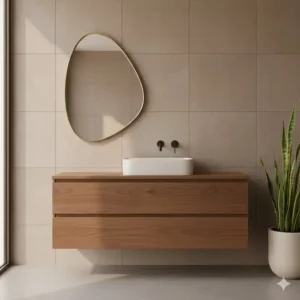
Conclusion: Designing the Restorative Bathroom of Tomorrow
The future of bathroom sink design trends 2026 is about much more than a cosmetic update; it’s a paradigm shift toward holistic wellness, conscious consumption, and seamless technology. The next-generation bathroom is a spa-like retreat built on the foundations of authentic materials, clean lines, and hygienic convenience.
The dominant trends—from integrated sink and vanity trends that prioritize a clutter-free aesthetic to the adoption of smart bathroom sink technology 2026 for water conservation and hygiene—all point toward a more mindful and restorative daily routine. Whether you choose the warm, tactile authenticity of Native Trails CPT17 copper, the sleek minimalism of the Lordear 48-Inch Integrated Sink, or the essential functionality of the Pfister LF-042-JDKK touchless faucet, your investment should align with the core values of durability, design integrity, and emotional connection.
By focusing on sustainable bathroom sink materials 2026 and bold, personalized design choices, you are not just renovating a room; you are future-proofing your home and investing in a space that truly supports your well-being.
The future is seamless, sustainable, and utterly stunning.
Frequently Asked Questions
✅ The integrated sink, which features a seamless one-piece countertop and basin, is dominating 2026 remodels. This design is highly popular because it completely eliminates seams and grout lines, making it incredibly easy to clean and maximizing hygiene. It supports the overall minimalist and spa-like aesthetic that homeowners are actively seeking...
✅ Yes, touchless faucets are an excellent investment, embodying a core smart bathroom sink technology trend for 2026. They enhance hygiene by eliminating the need to touch handles and promote water conservation through automated shut-off sensors. Products like the Pfister LF-042-JDKK are highly rated for bringing this high-tech, hygienic convenience to the residential setting...
✅ Sustainable bathroom sink materials 2026 are moving toward fireclay, eco-friendly composites, and reclaimed/recycled metals. Fireclay, exemplified by the Nantucket Sinks SR-18x13-W, offers exceptional, long-term durability. Recycled copper and glass also provide a unique, luxurious finish while minimizing environmental impact. They offer character that mass-produced materials simply cannot match...
✅ To incorporate modern vessel sink design trends while preserving space, choose wall-mounted faucets. Wall-mounted fixtures eliminate the need for deck space behind the sink, allowing you to use a shallower vanity or keep the countertop clear. Look for asymmetrical or trough vessel sinks, like the Kohler K-2882-0, which offer a high design impact with a linear, less bulky profile...
✅ Both matte black and brushed nickel are excellent choices for the future of bathroom sink design trends 2026, as both move away from standard polished chrome. Matte black offers a dramatic, modern contrast and hides water spots well. Brushed nickel is warmer than chrome and pairs perfectly with the earth tones and natural wood textures that are defining 2026 palettes. The choice depends entirely on your overall color scheme... ❓ What is the most popular type of bathroom sink for 2026 remodels?
❓ Are touchless faucets worth the investment for a residential bathroom in 2026?
❓ What new materials are leading sustainable bathroom sink design trends 2026?
❓ How can I incorporate the modern vessel sink design trends without sacrificing counter space?
❓ Is matte black or brushed nickel the better faucet finish for future of bathroom sink design trends 2026?
Recommended for You
- 7 Best Oval Bathroom Mirrors That Transform Spaces
- Best Bathroom Fixtures: 7 Top Picks for 2025 Upgrade
- Smart Touchless Bathroom Faucet Technology 2026 Reviews: Top Innovations You’ll Love
Disclaimer: This article contains affiliate links. If you purchase products through these links, we may earn a small commission at no additional cost to you.
✨ Found this helpful? Share it with your friends! 💬🤗