Are you dreaming of the perfect way to unwind after a long day? Imagine sinking into warm, bubbling water that soothes your muscles and melts away tension. A massage bathtub might be the luxury upgrade your home deserves. In this comprehensive guide, we’ll explore everything you need to know about these therapeutic wonders, from types and features to installation tips and maintenance secrets.
✨Was this helpful? Spread the word! 🚀
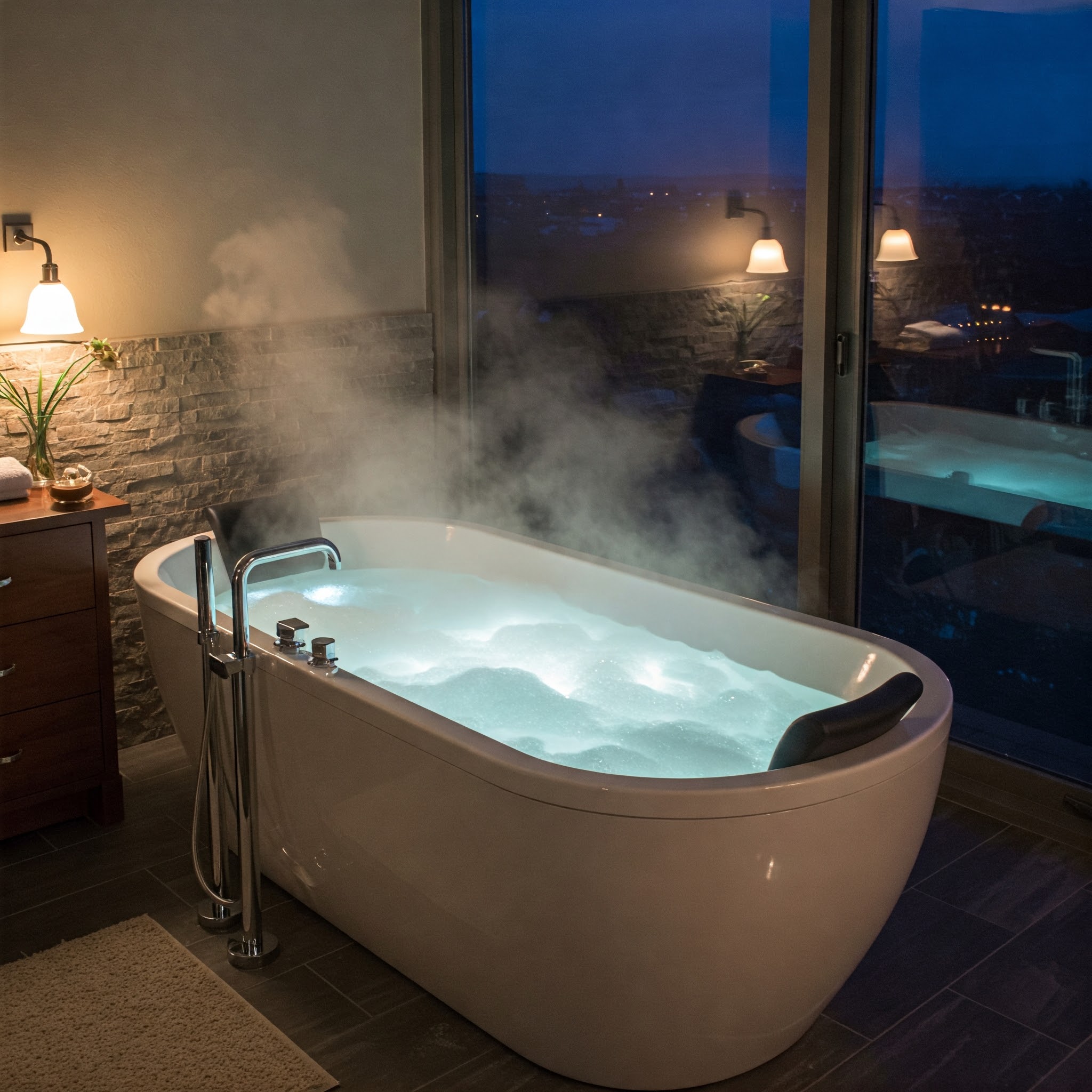
A massage bathtub combines the traditional soaking experience with therapeutic water jets or air bubbles designed to massage your body. Unlike standard bathtubs, these specialized tubs transform an ordinary bath into a hydrotherapy session, offering numerous health benefits while providing the ultimate relaxation experience right in your home.
Comparing Massage Bathtubs to Alternative Relaxation Options
| Feature | Massage Bathtub | Traditional Bathtub | Hot Tub/Spa | Shower System |
|---|---|---|---|---|
| Hydrotherapy | ✅ Advanced jet systems | ❌ None | ✅ Powerful jets | ⚠️ Limited options |
| Space Required | ⚠️ Moderate | ✅ Minimal | ❌ Significant | ✅ Minimal |
| Installation Complexity | ⚠️ Moderate | ✅ Simple | ❌ Complex | ⚠️ Moderate |
| Indoor/Outdoor Use | ✅ Indoor | ✅ Indoor | ✅ Both | ✅ Indoor |
| Average Cost | $1,500-$15,000 | $200-$2,000 | $3,000-$20,000 | $500-$3,000 |
| Energy Efficiency | ⚠️ Moderate | ✅ High | ❌ Low | ✅ High |
| Maintenance | ⚠️ Moderate | ✅ Low | ❌ High | ✅ Low |
| Therapeutic Benefits | ✅ Excellent | ⚠️ Basic | ✅ Excellent | ⚠️ Moderate |
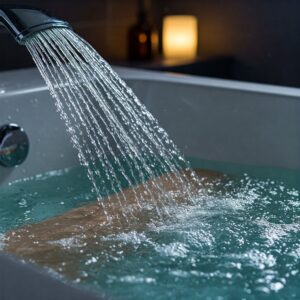
Types of Massage Bathtubs
The world of massage bathtubs offers various options to suit different preferences and needs. Understanding the distinctions between these types can help you make an informed decision for your home spa experience.
1. Whirlpool Massage Bathtubs
Whirlpool tubs, often called jacuzzi bathtubs (though Jacuzzi is actually a brand name), use water jets to create that signature massage effect. These tubs recirculate bath water through motorized jets, creating a powerful hydromassage experience.
Water jets in whirlpool tubs can often be adjusted for intensity and direction, allowing you to target specific muscle groups. The number of jets varies by model, with higher-end options offering up to 20+ strategically placed jets.
These massage bathtubs are ideal for deep tissue massage and relief from muscle pain. The forceful water streams can work out knots and tension, making them perfect for athletes or those with chronic muscle issues.
2. Air Jet Massage Bathtubs
Unlike whirlpool systems, air jet massage bathtubs (sometimes called air baths) release thousands of tiny air bubbles through small holes along the bathtub floor and sides. This creates a gentler, effervescent massage experience.
The air bubble system offers a more subtle, full-body massage compared to the focused pressure of water jets. Many users describe the sensation as being wrapped in a blanket of bubbles, providing a different but equally relaxing experience.
Air jet systems have an advantage in maintenance – since only air passes through the jets, there’s less risk of mold or bacteria buildup in the system compared to whirlpool tubs where water recirculates through the plumbing.
3. Combination Massage Bathtubs
For the ultimate experience, combination massage bathtubs incorporate both water jets and air bubbles. These premium options allow you to customize your bathing experience, using either system independently or together for maximum therapeutic benefit.
With a combination tub, you can enjoy the deep tissue massage of water jets alongside the gentle, all-over stimulation of air bubbles. Many models allow separate control of each system, giving you complete customization of your bathing experience.
Though typically more expensive, these versatile massage bathtubs offer the best of both worlds and can adapt to your changing needs – whether you want a vigorous massage after a workout or a gentle, relaxing soak after a stressful day.
4. Walk-In Massage Bathtubs
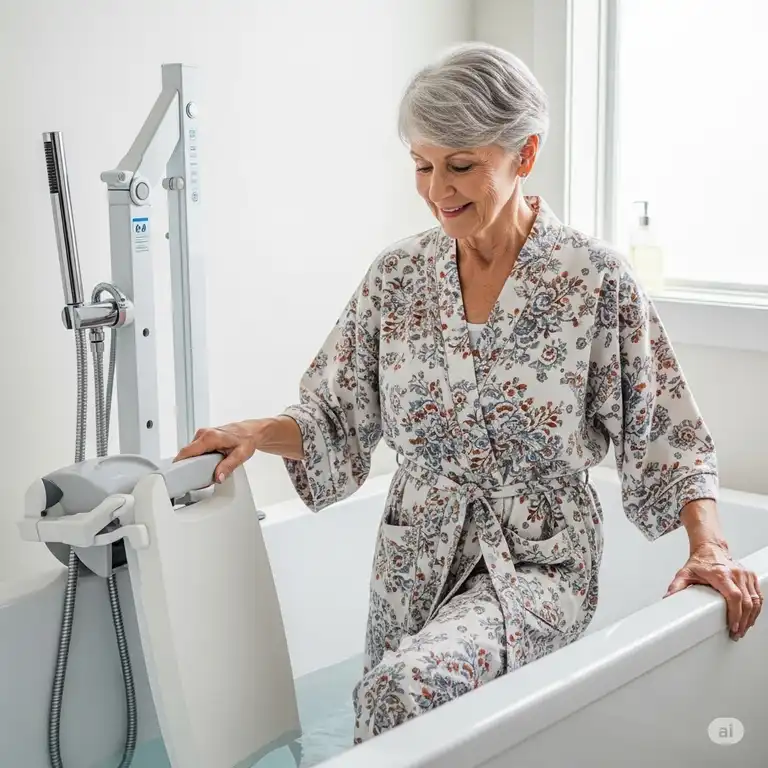
Designed with accessibility in mind, walk-in massage bathtubs feature a watertight door that allows users to enter without having to step over a high bathtub wall. These tubs often include built-in seating and can incorporate any of the massage systems mentioned above.
Walk-in tubs prioritize safety with features like non-slip flooring, grab bars, low threshold entries, and comfortable seating. This makes them ideal for elderly users, those with mobility issues, or anyone concerned about bathroom safety.
A walk-in massage bathtub combines therapeutic benefits with practical accessibility, though users should note that you must enter the tub before filling and remain inside until it drains completely due to the door design.
Key Features to Consider When Choosing a Massage Bathtub
Selecting the perfect massage bathtub involves weighing numerous factors beyond just the type of jets. Here’s what you should consider to ensure your investment brings years of satisfaction.
Material and Durability
The material of your massage bathtub affects everything from heat retention to durability and maintenance requirements:
- Acrylic: The most popular choice for massage bathtubs, acrylic offers excellent heat retention, is lightweight yet durable, and comes in various colors. High-quality acrylic tubs are reinforced with fiberglass for added strength.
- Cast Iron: Known for exceptional durability and superior heat retention, cast iron tubs with porcelain enamel coating are incredibly long-lasting but extremely heavy, potentially requiring additional floor support.
- Fiberglass: Typically the most affordable option, fiberglass tubs are lightweight and easy to install but may be less durable than other materials and can fade or scratch over time.
- Stone Resin: These composite tubs offer the luxurious look of natural stone with better heat retention and less weight. They’re extremely durable but come at a premium price point.
- Copper or Stainless Steel: For a distinctive look, metal tubs offer unique aesthetic appeal and excellent durability, though they can be more expensive and may require special care.
Size and Shape Options
Massage bathtubs come in various dimensions and shapes to fit different bathroom layouts and personal preferences:
- Standard Sizes: Most massage bathtubs range from 60-72 inches in length, 30-42 inches in width, and 18-23 inches in depth. Always measure your bathroom space carefully before purchasing.
- Corner Units: Designed to maximize space in smaller bathrooms, corner massage bathtubs fit snugly into a corner while still providing adequate soaking space.
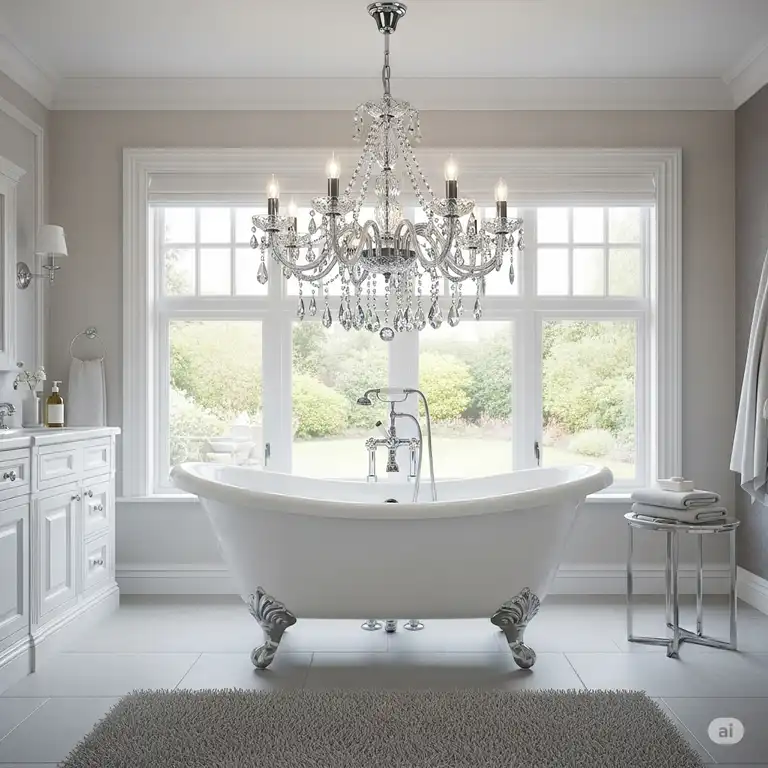
- Freestanding Tubs: These statement pieces stand independent of walls, becoming the focal point of your bathroom. Many freestanding massage bathtubs feature classic designs like clawfoot tubs updated with modern massage technology.
- Drop-In Tubs: Designed to be installed within a prepared deck or platform, these tubs offer a seamless, built-in look that works well in many bathroom designs.
- Alcove Tubs: Installed between three walls, these space-efficient options work well in typical bathroom layouts and can feature massage capabilities despite their standard appearance.
- Oval vs. Rectangular: While rectangular tubs maximize soaking space, oval and round designs may offer more comfortable ergonomics for some users. Your choice should consider both bathroom layout and personal comfort.
Jet Configuration and Placement
The number, type, and placement of jets significantly impact your massage experience:
- Jet Count: More isn’t always better. Strategic placement matters more than quantity, but most quality massage bathtubs offer between 6-20 jets.
- Adjustability: Look for jets that can be individually adjusted for direction and intensity, allowing customization for different users and targeted relief where needed.
- Placement Considerations: The best massage bathtubs feature jets positioned to target common problem areas like the lower back, shoulders, and feet.
- Rotational Jets: Some premium models offer rotating jets that provide a moving massage rather than stationary pressure, enhancing the therapeutic experience.
- Silent Operation: Quality jet systems should operate quietly, allowing you to relax without disruptive noise from the motor or pumps.
Comparing Different Massage Bathtub Models by Feature
| Feature | Entry-Level Models | Mid-Range Models | Luxury Models |
|---|---|---|---|
| Average Price | $1,000-$3,000 | $3,000-$7,000 | $7,000-$15,000+ |
| Jet Type | Usually single system (air or water) | Often combination systems | Advanced combination systems with customization |
| Jet Count | 4-8 jets | 8-16 jets | 16-30+ jets with zonal control |
| Materials | Basic acrylic or fiberglass | Reinforced acrylic or stone resin | Premium materials (stone, copper, high-grade acrylic) |
| Special Features | Basic controls, standard safety features | Chromatherapy, basic digital controls | Aromatherapy, music systems, advanced digital interfaces |
| Warranty | 1-5 years limited | 5-10 years limited | 10+ years or lifetime on certain components |
| Energy Efficiency | Standard | Improved insulation and energy-saving modes | Maximum efficiency with advanced heating systems |
| Installation Requirements | Standard electrical and plumbing | May require electrical upgrades | Often requires dedicated circuits and specialized installation |
Health Benefits of Using a Massage Bathtub
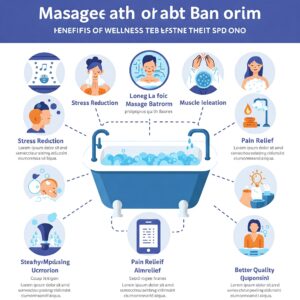
Beyond the obvious relaxation factor, massage bathtubs offer numerous evidence-based health benefits that can improve your quality of life and potentially reduce healthcare costs over time.
Stress Relief and Mental Wellbeing
In our fast-paced world, the mental health benefits of hydrotherapy shouldn’t be underestimated:
- Stress Hormone Reduction: Regular use of massage bathtubs has been shown to reduce cortisol levels, the body’s primary stress hormone, according to research published in the Journal of Physiological Anthropology.
- Improved Sleep Quality: The combination of warm water and massage can help regulate sleep patterns and improve sleep quality. A study in the journal Sleep Medicine Reviews found that passive body heating (like that experienced in a warm bath) can help improve sleep onset and quality.
- Anxiety Reduction: The immersive sensory experience of a massage bathtub can help calm anxious thoughts and provide a meditative space for mindfulness practice.
- Mood Enhancement: The release of endorphins during hydrotherapy sessions can create a natural mood boost, with effects that extend beyond your time in the tub.
Physical Therapy and Pain Management
Hydrotherapy has been used for centuries as a therapeutic treatment for various physical ailments:
- Arthritis Relief: According to the Arthritis Foundation, warm water therapy can decrease pain and stiffness while improving function in people with arthritis.
- Muscle Recovery: Athletes and fitness enthusiasts can benefit from faster recovery times when using massage bathtubs after intense workouts, as the combination of heat and massage helps reduce lactic acid buildup.
- Chronic Pain Management: For conditions like fibromyalgia and chronic back pain, regular hydrotherapy in a massage bathtub can provide significant pain relief without pharmaceutical side effects.
- Improved Circulation: The combination of warm water and massage action stimulates blood flow, which can help with various circulatory issues and promote faster healing throughout the body.
- Joint Flexibility: The buoyancy of water reduces pressure on joints while the warmth helps increase flexibility, making a massage bathtub session beneficial for maintaining mobility as you age.
Comparing Health Benefits with Traditional Alternatives
| Health Benefit | Massage Bathtub | Traditional Bath | Professional Massage | Medication |
|---|---|---|---|---|
| Stress Reduction | ✅ High | ✅ Moderate | ✅ High | ⚠️ Variable |
| Muscle Pain Relief | ✅ High | ⚠️ Moderate | ✅ High | ✅ High |
| Joint Pain Management | ✅ High | ⚠️ Moderate | ⚠️ Moderate | ✅ High |
| Improved Sleep | ✅ High | ✅ Moderate | ✅ Moderate | ⚠️ Variable (with side effects) |
| Circulation Benefits | ✅ High | ⚠️ Moderate | ✅ High | ❌ Limited |
| Accessibility | ✅ Daily home use | ✅ Daily home use | ❌ Requires appointments | ✅ As prescribed |
| Cost Over Time | ⚠️ High initial, low ongoing | ✅ Low | ❌ High ongoing | ⚠️ Variable |
| Side Effects | ❌ Minimal | ❌ Minimal | ❌ Minimal | ⚠️ Common |
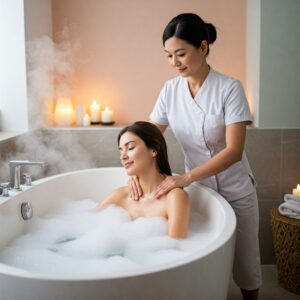
Installation Considerations for Massage Bathtubs
Installing a massage bathtub is more complex than setting up a standard tub, requiring careful planning and possibly professional assistance to ensure proper function and longevity.
Space and Layout Requirements
Before selecting your dream massage bathtub, you need to assess your bathroom’s physical constraints:
- Floor Support: Massage bathtubs are significantly heavier than standard tubs, especially when filled with water and occupied. According to the International Association of Certified Home Inspectors, you may need to reinforce your bathroom floor to support the additional weight – up to 1,000 pounds or more.
- Access Points: Consider maintenance needs when planning installation. You’ll need access panels to reach pumps, motors, and plumbing components for any future servicing or repairs.
- Dimensions and Doorways: Measure all doorways and hallways the tub must pass through during delivery. Some larger units may require doorframe removal or special installation strategies.
- Ventilation Needs: The increased humidity from a frequently used massage bathtub may necessitate additional ventilation solutions beyond a standard bathroom fan to prevent moisture damage and mold growth.
Plumbing and Electrical Requirements
Most massage bathtubs have specific utility requirements that exceed standard bathroom provisions:
- Electrical Needs: Typically, massage bathtubs require dedicated 20-amp circuits, and some luxury models may need multiple dedicated lines. Always consult with a licensed electrician to ensure your home’s electrical system can handle the additional load safely.
- GFCI Protection: Ground fault circuit interrupter protection is mandatory for all bathroom electrical installations, particularly for massage bathtubs, to prevent shock hazards in the wet environment.
- Water Supply: You’ll need adequate water pressure and volume to fill your massage bathtub in a reasonable time. Some larger tubs may benefit from 3/4″ supply lines rather than standard 1/2″ pipes.
- Drainage Capacity: Ensure your home’s drainage system can handle the rapid discharge of a large-capacity tub. Inadequate drainage can cause backups and potential water damage.
- Hot Water Supply: Consider whether your current water heater can provide enough hot water to fill your new tub. A 50-gallon water heater may be insufficient for larger massage bathtubs, potentially requiring an upgrade to a larger unit or tankless system.
DIY vs. Professional Installation
While some homeowners may be tempted to tackle installation themselves, there are important factors to consider:
- Complexity: Massage bathtub installation involves plumbing, electrical, and possibly structural work – a combination that challenges even experienced DIYers.
- Warranty Considerations: Many manufacturers void warranties if their products aren’t installed by licensed professionals, potentially leaving you unprotected if problems arise.
- Code Compliance: Professional installers understand local building codes and permit requirements, ensuring your installation meets all legal requirements.
- Cost Factors: While professional installation adds to the initial expense (typically $1,000-$3,000 depending on complexity), it may save money in the long run by avoiding costly mistakes or damage.
- Timeline: Professionals can typically complete an installation in 1-2 days, while a DIY approach might stretch over multiple weekends depending on your experience level.
✨ Transform Your Bathroom Today! ✨
➡ Ready to experience the ultimate in home relaxation? Click on any of our recommended massage bathtubs below to check current pricing and availability. Your perfect spa experience is just a click away!
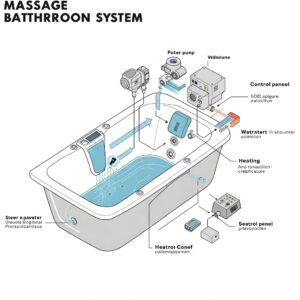
Top Recommended Massage Bathtubs for 2025
After extensive research and analysis, we’ve identified the most exceptional massage bathtubs currently available on the market. These selections balance quality, features, and value to meet different needs and budgets.
1. Woodbridge B-0030 Whirlpool Massage Bathtub
For those seeking a perfect blend of luxury and practicality, the Woodbridge B-0030 stands out as our top overall recommendation. This freestanding tub combines elegant aesthetics with powerful performance.
Key features include 10 adjustable body massage jets, 10 whirlpool bubble bath jets, an inline heater to maintain water temperature, and underwater mood lighting. The acrylic construction reinforced with Ashland resin and fiberglass provides excellent durability while maintaining a reasonable weight.
Customers particularly praise this tub’s easy-to-use digital control panel and the quiet operation of its 1.5 HP pump. With dimensions of 67″ × 32″ × 23″, it fits well in most standard bathrooms while providing ample soaking space.
2. American Standard Cadet Whirlpool Massage Bathtub
For those working with a more modest budget, the American Standard Cadet delivers impressive performance without breaking the bank. This alcove-installed tub fits standard bathroom dimensions while providing excellent therapeutic benefits.
With 8 strategically placed jets powered by a 1 HP pump, this tub delivers targeted massage exactly where you need it. The form-fitted backrest and molded-in armrests add comfort during extended soaking sessions.
The American Standard Cadet is constructed from high-gloss acrylic with fiberglass reinforcement, offering good durability at its price point. Its standard sizing (60″ × 32″ × 21″) makes it perfect for bathroom renovations, easily replacing an existing tub without major modifications.
3. Empava Luxury Freestanding Massage Bathtub
For smaller spaces or minimalist aesthetics, the Empava Luxury Freestanding model offers a compelling solution. This sleek, contemporary tub features clean lines and a smaller footprint without sacrificing massage capability.
Despite its compact dimensions (59″ × 31″ × 23″), this tub includes 10 water jets and 10 air jets, providing full-body hydrotherapy. The pure white acrylic construction maintains water temperature effectively, while the freestanding design makes it a striking focal point in any bathroom.
Users particularly appreciate the easy installation process and the included accessories like the overflow drain and faucet holes. The manual control system is straightforward and intuitive, though it lacks some of the digital features of higher-priced models.
4. Jacuzzi Signature Corner Massage Bathtub
For those with corner spaces to fill, the Jacuzzi Signature corner model maximizes available bathroom space while delivering the authentic Jacuzzi experience from the original creator of whirlpool tubs.
This premium corner unit features the patented Jacuzzi PowerPro jet system with 14 adjustable jets that provide exceptional hydrotherapy. The ergonomic seating position and integrated armrests create a comfortable experience even during extended soaking sessions.
While carrying a higher price tag, this tub justifies its cost with superior engineering, whisper-quiet operation, and excellent customer support. The reinforced acrylic construction comes with one of the best warranties in the industry, providing peace of mind for your investment.
Detailed Comparison of Top Massage Bathtubs
| Feature | Woodbridge B-0030 | American Standard Cadet | Empava Luxury | Jacuzzi Signature |
|---|---|---|---|---|
| Price Range | $1,800-$2,200 | $900-$1,200 | $1,300-$1,600 | $2,500-$3,000 |
| Installation Type | Freestanding | Alcove | Freestanding | Corner |
| Dimensions | 67″ × 32″ × 23″ | 60″ × 32″ × 21″ | 59″ × 31″ × 23″ | 60″ × 60″ × 21″ |
| Jet System | Combination (10 water, 10 air) | Water jets (8) | Combination (10 water, 10 air) | Water jets (14) |
| Heater Included | ✅ Yes | ❌ No (optional) | ✅ Yes | ✅ Yes |
| Control Type | Digital | Manual | Manual | Digital |
| Special Features | Chromatherapy, ozone cleaning | Form-fitted backrest | Handheld shower attachment | PowerPro jet system |
| Warranty | 5-year limited | 2-year limited | 3-year limited | 10-year limited |
| User Rating | 4.7/5 stars | 4.2/5 stars | 4.4/5 stars | 4.8/5 stars |
| Water Capacity | 60 gallons | 50 gallons | 55 gallons | 70 gallons |
| Weight (Empty) | 150 lbs | 120 lbs | 130 lbs | 165 lbs |
💬 Just one click – help others make better buying decisions too!😊
✨ Experience Luxury Without Breaking the Bank! ✨
➡ These carefully selected massage bathtubs represent the best options across different price points and installation types. Click on any highlighted product to check current prices and special offers. Transform your daily routine into a spa-like experience with these exceptional hydrotherapy solutions!
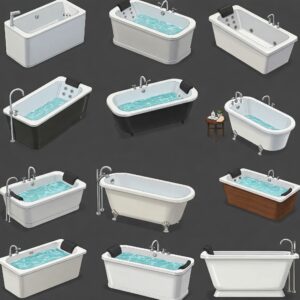
Maintenance and Care Tips for Massage Bathtubs
Proper maintenance ensures your massage bathtub remains hygienic, functions optimally, and lasts for many years. Follow these essential care guidelines to protect your investment.
Daily and Weekly Maintenance
Establishing a regular cleaning routine prevents buildup and extends the life of your massage bathtub:
- After Each Use: Drain the tub completely and rinse the surface with clean water to remove soap residue, oils, and body products that can lead to scum buildup.
- Surface Cleaning: Wipe down the tub’s interior with a soft, non-abrasive cloth or sponge using mild bathroom cleaners specifically formulated for massage bathtubs. Avoid abrasive cleaners that can damage the surface finish.
- Jet Sanitizing: According to research published in the Journal of Environmental Health, whirlpool bathtubs can harbor bacteria in their circulation systems. Run a cleaning cycle at least weekly by filling the tub with warm water above the jets, adding a specialized jet cleaner or 1/2 cup of bleach with 2 tablespoons of dishwasher detergent, running the jets for 15 minutes, draining, and rinsing thoroughly.
- Air System Purging: For air jet systems, run the blower for 15-20 seconds after the tub is drained to expel any remaining water from the air channels, preventing mold and mildew growth.
Preventing Common Issues
Proactive maintenance helps avoid costly repairs and extends your tub’s lifespan:
- Preventing Clogs: Install drain strainers to catch hair and debris before they enter the plumbing system. For added protection, use enzymatic drain cleaners monthly to dissolve organic material before it creates blockages.
- Scale Management: In hard water areas, mineral deposits can damage jets and internal components. Consider installing a whole-house water softener or using descaling products specifically designed for massage bathtubs quarterly.
- Jet Inspection: Periodically check jet faces for signs of calcium buildup or discoloration. Removable jet faces can often be cleaned more thoroughly by hand or even run through the dishwasher (check manufacturer recommendations first).
- Seal Maintenance: Inspect silicone seals around the tub annually and recaulk as needed to prevent water damage to surrounding structures.
Troubleshooting Common Problems
Even with proper maintenance, issues may occasionally arise. Here’s how to address common problems:
- Weak Jet Pressure: Often caused by calcium buildup, air locks, or pump issues. Try descaling the system first; if pressure remains low, check for air leaks in the plumbing or consult a professional to examine the pump.
- Noisy Operation: Unusual sounds may indicate pump problems, loose components, or air in the system. For grinding noises, shut off the system immediately to prevent damage and call a technician.
- Jets Won’t Turn On: Check electrical connections, reset GFCI outlets, and verify that water level sensors are covered (many tubs won’t operate if water levels are too low). If basic troubleshooting fails, consult an electrician or service technician.
- Water Leaks: Minor leaks around jets may be fixed by tightening fittings, while leaks from the pump or plumbing connections typically require professional repair. Never ignore leaks, as they can cause structural damage and electrical hazards.
- Foul Odors: Typically indicate biofilm buildup in the circulation system. Perform a thorough cleaning cycle with specialized jet cleaners, focusing on thorough disinfection rather than just surface cleaning.
Enhancing Your Massage Bathtub Experience
Elevate your hydrotherapy sessions with these accessories, techniques, and complementary elements that maximize the benefits and enjoyment of your massage bathtub.
Essential Accessories and Add-ons
The right accessories can transform a good bathing experience into an exceptional one:
- Bath Pillows and Cushions: Ergonomic waterproof pillows provide crucial neck and head support during long soaks, reducing strain and enhancing comfort. Look for quick-drying materials with secure suction attachments.
- Caddy Trays: Waterproof caddies keep essentials like books, beverages, candles, or electronic devices safely within reach, allowing for extended, uninterrupted relaxation sessions.
- Non-Slip Mats: Safety should never be overlooked. Quality non-slip mats provide secure footing when entering and exiting your massage bathtub, preventing accidents while adding a touch of style.
- Chromatherapy Systems: If your tub doesn’t include built-in lighting, aftermarket underwater LED systems can be added to create mood-enhancing color therapy, which research suggests may complement the therapeutic effects of hydrotherapy.
- Aromatherapy Dispensers: Special diffusers designed for bathtubs release essential oils into the steam rather than the water itself, preventing damage to your tub’s components while providing aromatic benefits.
Creating the Perfect Bathing Routine
Maximize therapeutic benefits with these expert-recommended practices:
- Optimal Timing: According to sleep researchers at the National Institutes of Health, taking a warm bath 1-2 hours before bedtime can significantly improve sleep quality. The body’s temperature drop after bathing mimics its natural pre-sleep cooling process.
- Temperature Management: The ideal therapeutic water temperature ranges between 100-104°F (37-40°C). Use a floating thermometer to achieve precision, as water that’s too hot can cause cardiovascular stress while water that’s too cool reduces therapeutic benefits.
- Hydration Practices: Always keep a water bottle nearby during hot soaks, as immersion in warm water accelerates fluid loss through perspiration. Proper hydration enhances circulation benefits and prevents lightheadedness.
- Session Duration: For optimal therapeutic effect without skin maceration or excessive dehydration, limit massage bathtub sessions to 15-30 minutes. Those with cardiovascular concerns should consult healthcare providers for personalized recommendations.
- Post-Bath Recovery: Allow your body 10-15 minutes of rest after exiting the tub before resuming normal activities. This recovery period helps stabilize body temperature and heart rate while prolonging relaxation benefits.
Integrating with Wellness Routines
Your massage bathtub can become a cornerstone of a comprehensive wellness practice:
- Exercise Recovery: Using your massage bathtub after workouts can significantly reduce delayed onset muscle soreness (DOMS) and speed recovery, according to sports medicine research from the American College of Sports Medicine.
- Stress Management Program: Incorporate regular hydrotherapy sessions into a broader stress reduction routine, perhaps paired with meditation apps, breathing exercises, or mindfulness practices during your soak.
- Sleep Hygiene Enhancement: Make your massage bathtub part of a consistent bedtime routine, signaling to your body that it’s time to prepare for sleep, potentially reducing insomnia and improving sleep quality.
- Joint Health Maintenance: For those with arthritis or joint concerns, alternating between hot therapeutic soaks and appropriate gentle exercise creates a powerful maintenance program for preserving mobility and managing pain.
Cost Considerations and Return on Investment
Understanding the true cost of owning a massage bathtub involves looking beyond the initial purchase price to assess long-term value and potential returns.
Initial Investment Breakdown
The upfront costs of a massage bathtub encompass several components:
- Purchase Price Range: Entry-level massage bathtubs start around $1,000, mid-range models typically cost $2,000-$5,000, while premium luxury systems can exceed $10,000. Material quality, jet technology, and brand reputation significantly influence pricing.
- Installation Expenses: Professional installation generally adds $1,000-$3,000 to your budget, depending on complexity. This typically includes plumbing connections, electrical work, and final testing but may not cover structural modifications if needed.
- Additional Preparations: Depending on your bathroom’s current configuration, you might need:
- Floor reinforcement: $300-$800
- Electrical upgrades: $500-$1,500
- Plumbing modifications: $400-$1,200
- Ventilation improvements: $200-$500
- Removal of Existing Fixtures: If replacing an old tub, expect to pay $200-$700 for proper removal and disposal of your existing fixture.
Operating Costs Over Time
Ongoing expenses should factor into your long-term budgeting:
- Energy Consumption: A typical massage bathtub adds approximately $10-$30 to monthly electricity bills, varying with usage frequency and local utility rates. Models with dedicated heaters consume more energy than those without.
- Water Usage: Each full tub requires 40-80 gallons depending on size, impacting water bills for frequent users. Installing flow restrictors and practicing water conservation can help minimize this expense.
- Maintenance Supplies: Budget $100-$200 annually for specialized cleaners, descaling products, and sanitizing solutions to keep your system running optimally.
- Professional Servicing: Many owners benefit from annual professional maintenance ($150-$300) to check pumps, motors, and plumbing connections, potentially preventing costly repairs later.
Long-Term Value Assessment
Consider these factors when evaluating the return on your investment:
- Home Value Enhancement: According to the National Association of Realtors, bathroom upgrades that include luxury features like massage bathtubs typically recover 50-60% of their cost in increased home value. Some markets value these upgrades even more highly.
- Healthcare Cost Offsets: Regular hydrotherapy can potentially reduce expenses related to:
- Massage therapy ($70-$150 per session)
- Physical therapy co-pays
- Pain management treatments
- Sleep medication
- Durability Considerations: Quality massage bathtubs typically last 15-20 years with proper maintenance, spreading the investment over a long useful life. Premium models often carry longer warranties, reducing risk of unexpected repair costs.
- Lifestyle Value: While harder to quantify, the daily accessibility of hydrotherapy at home offers significant quality-of-life benefits that many owners find invaluable compared to occasional spa visits.
Comparing Lifetime Costs with Alternatives
| Expense Category | Massage Bathtub | Spa Membership | Home Hot Tub | Regular Professional Massages |
|---|---|---|---|---|
| Initial Investment | $3,000-$7,000 | $0-$500 initiation | $5,000-$15,000 | $0 |
| Monthly/Annual Costs | $20-$50/month | $50-$200/month | $50-$150/month | $280-$600/month (weekly sessions) |
| 10-Year Total Cost | $5,400-$13,000 | $6,000-$24,500 | $11,000-$33,000 | $33,600-$72,000 |
| Convenience | ✅ High (daily access) | ⚠️ Limited (travel required) | ✅ High (daily access) | ❌ Low (appointments needed) |
| Personalization | ✅ High | ❌ Limited | ✅ High | ⚠️ Variable |
| Property Value Impact | ✅ Positive | ❌ None | ⚠️ Minimal | ❌ None |
Environmental and Efficiency Considerations
As sustainability becomes increasingly important, understanding the environmental impact of your massage bathtub and ways to minimize it should factor into your purchasing decision.
Water Conservation Strategies
Responsible usage helps reduce the environmental footprint of your massage bathtub:
- Water Recycling Systems: Some advanced massage bathtubs now offer water recycling options that filter and reuse bath water, reducing consumption by up to 80% according to the Environmental Protection Agency.
- Efficient Filling Techniques: Using low-flow faucets specifically designed for tub filling can reduce water waste while maintaining reasonable fill times. These fixtures typically save 30-50% of water compared to standard faucets.
- Strategic Usage Patterns: Consider bathing frequency and sharing bath sessions when appropriate. Bath water can also be repurposed for watering indoor plants after it cools (if using biodegradable, plant-safe bath products).
- Drain Water Heat Recovery: Some innovative systems capture heat from draining bath water to preheat incoming cold water, reducing the energy needed to heat future baths.
Energy Efficiency Improvements
Minimize electricity consumption while maintaining optimal performance:
- Improved Insulation: High-quality massage bathtubs feature enhanced insulation that maintains water temperature longer, reducing the energy needed for reheating during extended soaks.
- Timer Controls: Programmable timers can limit jet operation to necessary periods, preventing accidental extended running and unnecessary energy consumption.
- Heat Pump Technology: The newest generation of massage bathtubs incorporates heat pump water heaters rather than traditional resistance elements, reducing energy consumption by up to 60% according to the Department of Energy.
- Solar Compatibility: For environmentally conscious homeowners, some massage bathtub systems can be connected to solar water heating systems, dramatically reducing operating costs and environmental impact.
Sustainable Material Options
Eco-friendly alternatives are increasingly available for environmentally conscious consumers:
- Recycled Materials: Some manufacturers now offer massage bathtubs made partially from recycled acrylics and composites, reducing virgin material demand while maintaining quality and performance.
- Biodegradable Cleaning Solutions: Choose plant-based, biodegradable cleaning products specifically formulated for whirlpool systems to minimize water pollution and chemical exposure.
- Responsible Manufacturing: Look for products from companies with documented sustainable manufacturing practices, such as closed-loop water systems, renewable energy usage, and minimal waste production.
- End-of-Life Considerations: When eventually replacing your massage bathtub, research proper recycling options for the materials rather than sending them to landfills. Many components can be recycled or repurposed.
Design Trends and Aesthetic Integration
Your massage bathtub can be both a therapeutic tool and a design statement that enhances your bathroom’s overall aesthetic.

Current Style Trends
Stay current with these popular design approaches for massage bathtubs in 2025:
- Minimalist Elegance: Clean lines and uncluttered designs continue to dominate, with hidden jets and subtle controls that maintain a sleek appearance without sacrificing functionality.
- Nature-Inspired Forms: Organic shapes mimicking natural pools and hot springs create a connection to the outdoors, often paired with stone-look finishes or actual stone elements.
- Industrial Chic: For contemporary spaces, massage bathtubs with exposed mechanical elements and metal accents create an intentionally raw, industrial aesthetic that celebrates functionality.
- Smart Integration: The latest models feature nearly invisible control systems that connect to home automation networks, eliminating the need for visible control panels while adding convenience.
- Vintage-Modern Fusion: Traditional claw-foot or slipper tub designs updated with modern massage technology offer nostalgia blended with contemporary comfort.
Color and Finish Selection
The visual impact of your massage bathtub is heavily influenced by its color and surface finish:
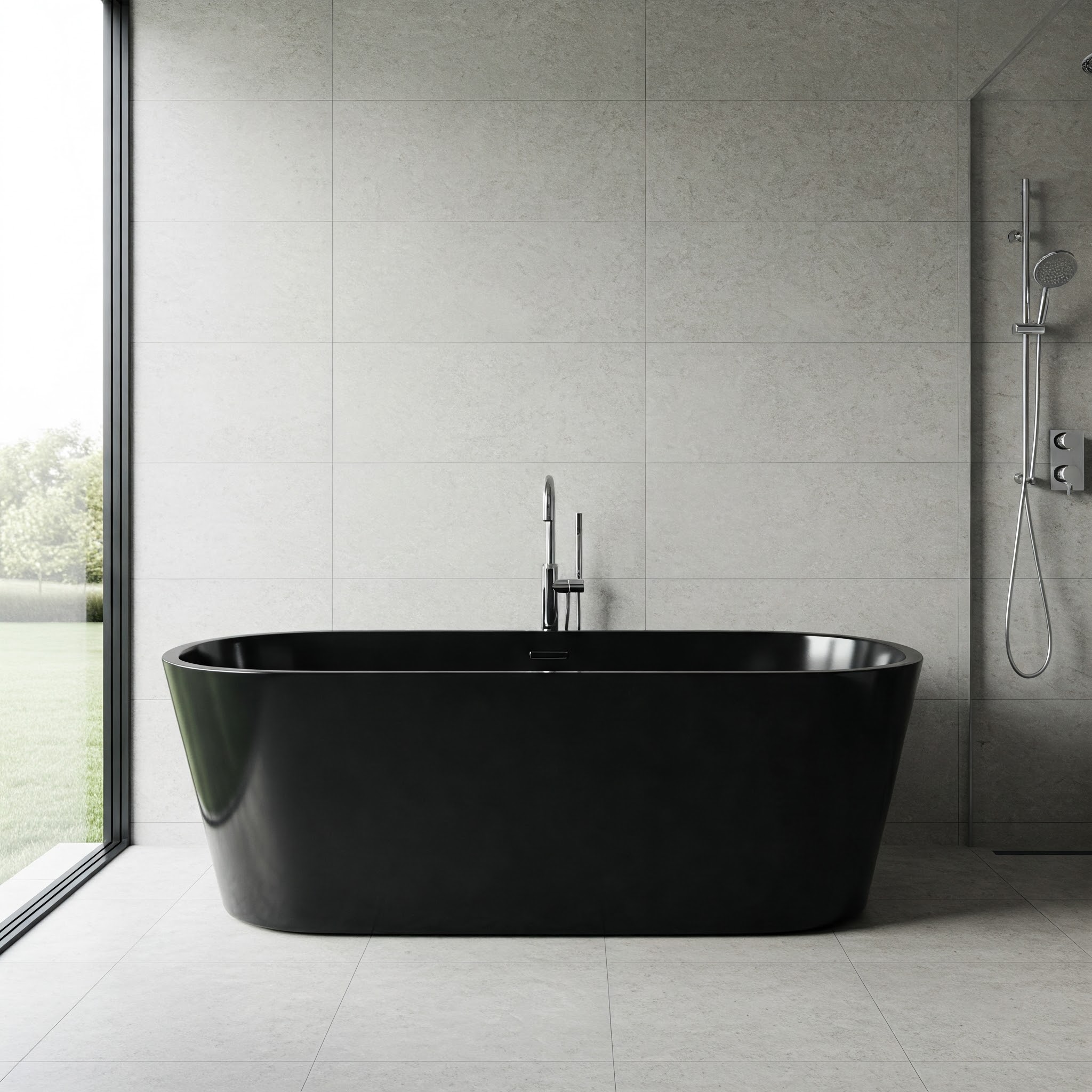
- Beyond Basic White: While white remains popular for its timeless appeal, manufacturers now offer expanded color palettes including soft grays, nature-inspired blues, and even dramatic black options.
- Metallic Accents: Gold, brushed nickel, and matte black fixtures and jet faces add sophisticated contrast against tub surfaces, coordinating with other bathroom hardware.
- Textured Surfaces: Advances in manufacturing allow for textured non-slip surfaces that add visual interest while improving safety, often mimicking natural stone or textile patterns.
- Custom Color Matching: Some premium manufacturers offer color-matching services to coordinate precisely with other bathroom elements or to create truly unique installations.
- Dual-Finish Options: Trending designs feature contrasting exterior and interior finishes, such as a matte exterior with a glossy soaking area, creating visual depth and interest.
Integration with Bathroom Design
Your massage bathtub should harmonize with the overall bathroom concept:
- Architectural Framing: Consider creative placement using alcoves, raised platforms, or sunken installations that make the tub a natural focal point within the architectural space.
- Complementary Materials: Create visual flow by echoing materials from the tub surround in other bathroom elements like vanities, shower enclosures, or flooring.
- Lighting Considerations: Strategic lighting enhances both the function and appearance of your massage bathtub. Consider waterproof recessed lighting above the tub and ambient lighting that highlights its best features.
- Space Planning: Even in smaller bathrooms, creative space planning can accommodate a massage bathtub without sacrificing other functions. Corner installations and combined shower-tub units offer smart solutions for limited square footage.
- Privacy Solutions: For open-concept bathrooms or master suites, consider privacy screens, strategically placed plants, or semi-opaque glass dividers that maintain openness while providing comfort during bathing.
Future Innovations in Massage Bathtub Technology
The massage bathtub industry continues to evolve with exciting innovations that enhance the therapeutic experience, connectivity, and sustainability of these wellness fixtures.
Smart Technology Integration
The latest massage bathtubs incorporate intelligent features that personalize and enhance the user experience:
- Voice-Activated Controls: Emerging systems allow hands-free operation through voice commands, controlling everything from water temperature to jet intensity without touching wet controls.
- Personalized User Profiles: Advanced models can store individual preferences for multiple users, automatically adjusting water depth, temperature, jet configuration, and ambient settings based on who is using the tub.
- Biometric Monitoring: Cutting-edge massage bathtubs can now monitor heart rate, body temperature, and even stress levels through sensors in the tub surface, adjusting hydrotherapy parameters in real-time for optimal therapeutic benefit.
- Remote Operation: Smart home integration allows users to prepare their bath remotely, with the tub filled to the perfect temperature precisely when needed after a long day.
Advanced Therapeutic Developments
Innovations in hydrotherapy technology continue to enhance the health benefits of massage bathtubs:
- Targeted Therapy Programs: New systems offer customized massage sequences designed for specific conditions like lower back pain, sports recovery, or insomnia, with jet sequences programmed by physical therapy experts.
- Microbubble Technology: Ultra-fine bubbles measuring 50-100 microns penetrate pores for deep cleansing while providing exceptional therapeutic benefits. These microscopic bubbles can carry oxygen and nutrients that nourish skin, according to research in the Journal of Cosmetic Dermatology.
- Frequency-Modulated Pulsation: Rather than consistent jet pressure, advanced systems vary the frequency and intensity of water pulsation to prevent nervous system accommodation, maintaining therapeutic effectiveness throughout the session.
- Negative Ion Generation: Some high-end systems now incorporate negative ion generators, which some studies suggest may improve mood and reduce stress during hydrotherapy sessions.
Sustainability Innovations
Environmental consciousness drives these emerging eco-friendly developments:
- Closed-Loop Water Systems: Experimental models incorporate advanced filtration that allows bath water to be purified and reused for multiple sessions before draining, dramatically reducing water consumption.
- Energy Harvesting Technology: Prototype systems capture kinetic energy from water movement to partially power pumps and electronics, reducing overall energy demands.
- Biomimetic Materials: Researchers are developing new surface materials inspired by natural water-efficient structures like lotus leaves, creating self-cleaning surfaces that reduce chemical cleaner requirements.
- Zero-Carbon Manufacturing: Forward-thinking manufacturers are establishing carbon-neutral production facilities powered by renewable energy, significantly reducing the environmental footprint of luxury bath products.
✨ Your Perfect Massage Bathtub Awaits! ✨
➡ Ready to transform your bathroom into a personal spa retreat? Click on any of our recommended massage bathtubs to explore options that match your needs and budget. Your journey toward daily luxury and wellness is just one decision away!
Conclusion: Is a Massage Bathtub Right for You?
After exploring the world of massage bathtubs in detail, you now have the knowledge to make an informed decision about whether this luxury addition is right for your home and lifestyle.
A massage bathtub represents a significant investment – not just financially, but in your health and wellbeing. The therapeutic benefits of regular hydrotherapy sessions can profoundly impact your quality of life, potentially reducing stress, improving sleep, and alleviating physical discomfort from various conditions.
However, these benefits come with considerations. The initial cost, installation requirements, and ongoing maintenance demands should be realistically evaluated against your budget, bathroom configuration, and willingness to perform regular upkeep. A massage bathtub that falls into disrepair due to neglected maintenance quickly becomes an expensive disappointment rather than a daily luxury.
For many homeowners, the practical middle ground involves selecting a quality mid-range model with the features most relevant to their specific needs, working with licensed professionals for proper installation, and establishing a consistent maintenance routine. This approach maximizes value while ensuring long-term satisfaction with your investment.
As you make your decision, remember that a massage bathtub is ultimately about enhancing your daily routine with moments of therapeutic relaxation – a small but significant way to prioritize self-care in our increasingly hectic world.
More FAQs
❓ How much does a quality massage bathtub typically cost?
✅ Quality massage bathtubs range from $1,000-$15,000 depending on size, features, and construction. Entry-level whirlpool tubs start around $1,000-$3,000, mid-range combination models fall between $3,000-$7,000, while premium systems with advanced features can exceed $10,000. Additional costs include professional installation ($1,000-$3,000) and possible electrical/plumbing upgrades...
❓ What's the difference between air jet and whirlpool massage bathtubs?
✅ Air jet tubs produce thousands of tiny bubbles through small holes in the tub floor/sides, creating gentle, effervescent full-body massage. Whirlpool tubs use powerful water jets (typically 6-20) that recirculate bath water through motorized nozzles for deeper, more targeted pressure. Air systems are easier to maintain as only air passes through the jets, while water jet systems provide more intense therapeutic massage for muscle pain relief...
❓ Do massage bathtubs require special maintenance?
✅ Yes, massage bathtubs require specific maintenance beyond standard tubs. Systems need regular cleaning cycles (weekly recommended) using specialized cleaners to prevent biofilm buildup in jets and plumbing. After each use, run jets for 15 minutes with clean water and cleaning solution, then purge air channels. Quarterly descaling is essential in hard water areas. Professional inspection annually helps prevent major issues and extend system lifespan...
❓ What health benefits do massage bathtubs provide?
✅ Massage bathtubs offer numerous evidence-based health benefits including stress reduction (lowers cortisol levels), improved sleep quality, pain relief for arthritis and muscle soreness, enhanced circulation, and reduced anxiety. The combination of warm water (hydrotherapy) and massage (either through water jets or air bubbles) helps relax muscles, decrease joint stiffness, release endorphins, and promote faster recovery from physical activity...
❓ Can I install a massage bathtub in my existing bathroom?
✅ Massage bathtubs can typically replace standard tubs, but require assessment of several factors. Your floor may need reinforcement to support the additional weight (up to 1,000+ pounds when filled and occupied). Electrical requirements include dedicated 20-amp circuits and GFCI protection. Plumbing considerations involve adequate water supply, drainage capacity, and access panels for maintenance. Professional installation is strongly recommended to ensure proper function and maintain warranty coverage...
Recommended for You:
- 10 Best Tiny Home Bathtub Solutions for Maximizing Small Space Comfort in 2025
- 10 Essential Whirlpool Bathtub Parts to Keep Your Spa Experience Flawless in 2025
- 10 Best Corner Jetted Bathtub Options For Ultimate Relaxation in 2025
Disclaimer: This article contains affiliate links. If you purchase products through these links, we may earn a small commission at no additional cost to you.
✨ Found this helpful? Share it with your friends! 💬🤗