So, you are standing in your bathroom, looking at those tired, stained tiles, and you’ve decided it is finally time for a change. I’ve been there. The world of bathroom remodeling can feel like a maze, especially when you are trying to decide between the two heavyweights of the industry. Today, we are diving deep into acrylic vs composite bathtub wall kits pros and cons 2026 to help you make a choice you won’t regret three years from now.
✨Was this helpful? Spread the word! 🚀
Choosing a wall surround is not just about aesthetics; it is about how much time you want to spend scrubbing grout (spoiler: zero is the goal) and how long you want your investment to last. While tile used to be the gold standard, modern materials have completely shifted the landscape. Specifically, in 2026, the technology behind these kits has reached a point where they can mimic stone or high-end marble with shocking accuracy.
Quick Comparison: Acrylic vs Composite vs Traditional Tile
Before we get into the nitty-gritty, let’s look at how these materials stack up against each other.
| Feature | Acrylic Wall Kits | Composite Wall Kits | Traditional Tile |
| Installation Time | 1–2 Days | 1–2 Days | 5–7 Days |
| Maintenance | Very Low | Low to Moderate | High (Grout cleaning) |
| Durability | High (Impact resistant) | Very High (Scratch resistant) | Moderate (Cracked tiles) |
| Cost | Budget to Mid-Range | Mid-Range to Premium | High (Labor intensive) |
| DIY Friendliness | Excellent | Moderate | Low |
| Moisture Resistance | Absolute | High | Variable (Grout leaks) |
Top 7 Bathtub Wall Kits: Expert Analysis
If you are looking for the best bathtub wall kits 2026, you need to see what is actually performing in real American homes. I have spent hours analyzing technical specs and customer feedback to bring you this list of the top contenders.
1. Sterling Accord 71144100-0
This is a staple in the world of composite surrounds. Made from Sterling’s proprietary Vikrell material, it is a solid poly-composite that is incredibly tough.
-
Technical Specifications: Made of solid Vikrell; 4-piece modular design; tongue-and-groove “Snap Together” installation; high-gloss finish.
-
Customer Review Analysis: Users consistently praise the “Snap Together” system because it eliminates the need for messy caulk in the seams. However, some mention that the panels are heavy and require two people to move.
-
Professional Applications: Ideal for high-traffic family bathrooms where durability is the number one priority.
-
Pros: No-caulk seams, incredibly impact resistant, classic aesthetic.
-
Cons: Heavier than pure acrylic, limited color options.
2. Delta Faucet B23605-4836-WH
The Delta ProCrylic series is a prime example of high-end acrylic engineering. It offers a bright, high-gloss white finish that makes small bathrooms feel significantly larger.
-
Technical Specifications: ProCrylic acrylic material; 3-piece design; integrated storage shelves; direct-to-stud installation.
-
Customer Review Analysis: Homeowners love the built-in shelving, which is deep enough for modern jumbo-sized shampoo bottles. A few reviews note that the material feels slightly thinner than composite but looks much shinier.
-
Professional Applications: Great for rental properties or guest baths where a clean, modern look is desired on a budget.
-
Pros: Very easy to clean, lightweight, affordable.
-
Cons: Can be scratched if abrasive cleaners are used.

3. American Standard 2946BWTS.011
The Studio S line is where style meets function. This acrylic kit is designed to look like high-end slab marble without the five-figure price tag.
-
Technical Specifications: High-gloss acrylic with fiberglass reinforcement; 3-panel system; fits standard 60-inch by 32-inch alcoves.
-
Customer Review Analysis: “It looks like a spa,” is a common sentiment. The sleek, minimalist design is a hit. Some DIYers struggled with the adhesive requirements, suggesting a pro might be better for this specific model.
-
Professional Applications: Modern master bathroom renovations focusing on a “boutique hotel” vibe.
-
Pros: Stunning aesthetics, very smooth surface, stain-resistant.
-
Cons: Requires precise wall leveling for a perfect fit.
4. Kohler Choreograph
Kohler’s Choreograph system uses a material called Serica, which is a specialized composite of crushed stone and resin. This represents the premium end of the composite vs acrylic bathtub walls debate.
-
Technical Specifications: Serica composite material; customizable panel sizes; matte finish options; hidden joint system.
-
Customer Review Analysis: Customers rave about the texture—it feels like real stone, not plastic. The modular accessories (hooks, shelves) are also highly rated. The main complaint is the premium price.
-
Professional Applications: High-end custom remodels where the homeowner wants a “forever” shower.
-
Pros: Extremely durable, customizable, no-slip texture.
-
Cons: Most expensive option on this list.
5. DreamLine QWALL-VS
If you want a versatile kit that fits various sizes, this acrylic and ABS (Acrylonitrile Butadiene Styrene) hybrid is a top choice.
-
Technical Specifications: Acrylic-coated ABS; 3-panel design; trim-to-size panels; glass-shelf compatible.
-
Customer Review Analysis: Reviews highlight how easy it is to cut the panels to fit non-standard spaces. Some users noted that the ABS backing is less rigid than solid acrylic, so plenty of adhesive is necessary.
-
Pros: Highly adjustable, very affordable, looks great with glass doors.
-
Cons: Requires more structural support behind the walls.
6. Swanstone SS-60-3
Swanstone is a pioneer in solid surface composite materials. Unlike acrylic, the color goes all the way through, meaning a deep scratch can be sanded out.
-
Technical Specifications: Compression-molded solid surface; 5-piece kit; heat resistant up to 450 degrees Fahrenheit.
-
Customer Review Analysis: “Indestructible” is the word used most often. People appreciate that they don’t have to worry about melting the wall with a curling iron. Some find the matte finish harder to clean than glossy acrylic.
-
Pros: Renewable surface, heat resistant, massive color variety.
-
Cons: Heavier installation, higher price point.
7. ASB (American Shower & Bath) 6032WAC
This is a straightforward, high-gloss acrylic kit designed for the everyday DIYer.
-
Technical Specifications: Multi-layer acrylic; 3-piece wall set; glue-up installation.
-
Customer Review Analysis: Users appreciate the simplicity. It’s a “weekend project” kit. The main downside mentioned is that the built-in shelves are a bit small.
-
Pros: Extremely lightweight, very low cost, installs over existing tile.
-
Cons: Thinner material than the Sterling or Kohler options.
✨ Don’t Miss These Exclusive Deals!
🔍 Upgrade your bathroom today with these carefully selected wall kits. Click on any highlighted item to check current pricing and availability. These kits will help you create a stunning, maintenance-free bathroom that your family will love! 🛁✨
💬 Just one click – help others make better buying decisions too!😊
Technical Specifications Matrix: Top 7 Models
| Product Name | Material Type | Installation Style | Primary Benefit |
| Sterling Accord | Composite (Vikrell) | Direct-to-Stud | Extreme Durability |
| Delta ProCrylic | Acrylic | Direct-to-Stud | High Gloss / Ease of Cleaning |
| American Standard Studio S | Reinforced Acrylic | Glue-up | High-End Design |
| Kohler Choreograph | Composite (Serica) | Glue-up | Customizable/Stone feel |
| DreamLine QWALL-VS | Acrylic/ABS | Glue-up | Trim-to-Size Flexibility |
| Swanstone SS-60-3 | Solid Surface | Glue-up | Heat Resistance/Repairability |
| ASB 6032WAC | Multi-layer Acrylic | Glue-up | Maximum Affordability |
Deep Dive: Acrylic vs Composite Bathtub Wall Kits Pros and Cons 2026
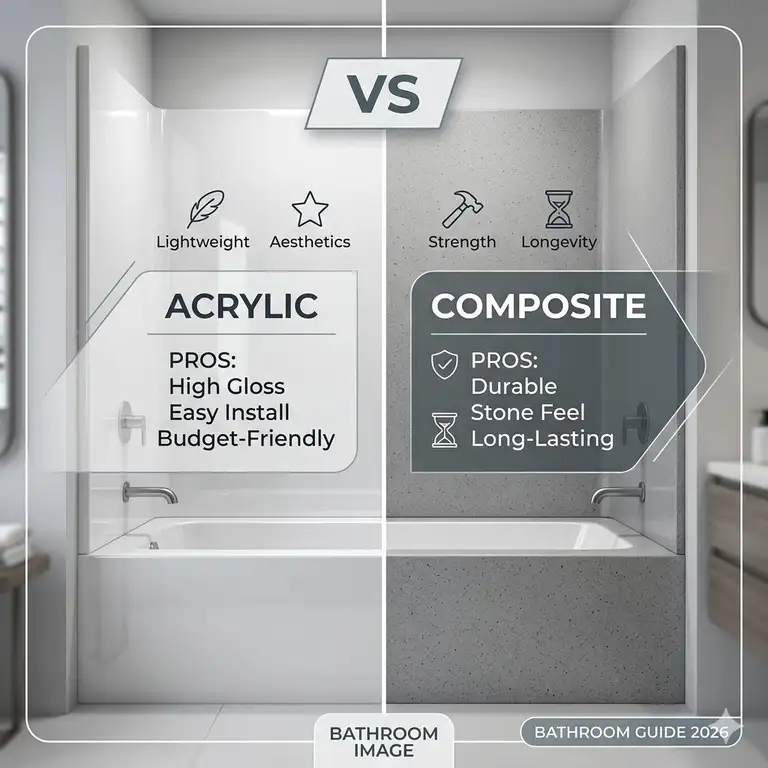
When we talk about acrylic vs composite bathtub wall kits pros and cons 2026, we are really talking about two different philosophies of home design. Acrylic is the slick, modern, and efficient choice. Composite is the rugged, substantial, and long-term investment choice. Let’s break down the mechanics of why that is.
What is Acrylic?
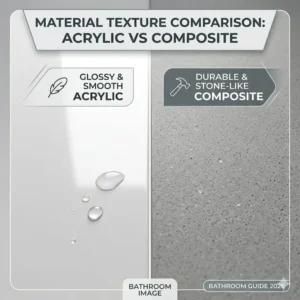
Acrylic wall surrounds are made by heating a sheet of acrylic (a type of plastic) and vacuum-forming it over a mold. Consequently, this creates a seamless, non-porous surface. Most manufacturers then reinforce the back with fiberglass or ABS to give it structural integrity. Because the surface is non-porous, bacteria and mold have a very hard time sticking to it. Furthermore, the high-gloss finish reflects light beautifully, which is a major benefit of acrylic bath kits in smaller, windowless bathrooms.
What is Composite?
Composite materials are a bit more complex. They are usually made from a mixture of resins, fillers, and reinforcing fibers (like glass). These are then compression-molded under high heat. Specifically, products like “Vikrell” or “Swanstone” are examples of this. The result is a material that is denser and heavier than acrylic. It often has a matte or textured finish that looks more like natural stone. If you are looking for the benefits of composite bathtub surrounds, the biggest one is the “solid” feel. When you knock on a composite wall, it doesn’t sound hollow.
Detailed Comparison: Features and Benefits
| Feature | Acrylic Surrounds | Composite Surrounds |
| Porosity | Non-porous; resists all stains. | Mostly non-porous; matte finishes may need more care. |
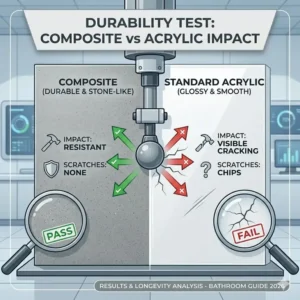
| Repairability | Hard to repair if cracked. | Scratches can often be sanded out. |
| Weight | Lightweight (Easy for one person). | Heavy (Usually requires two people). |
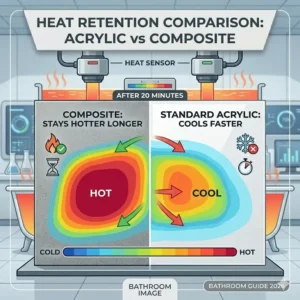
| Heat Resistance | Can melt if exposed to high heat. | Very high heat resistance. |
| Visual Appeal | Shiny, “plastic-chic,” modern. | Textured, natural, stone-like. |
The Pros and Cons of Acrylic Bath Kits
Let’s get real for a second. Every material has its flaws. I’ve seen acrylic walls that look brand new after 15 years, and I’ve seen some that look like they’ve been through a war zone.
The Pros ✅
-
Non-Porous Surface: This is the big one. Acrylic is like a Teflon pan for your walls. Soap scum and hard water have a hard time sticking to it.
-
Affordability: Generally, acrylic shower walls vs composite will be easier on your wallet.
-
Lightweight: If you are a solo DIYer, you will thank yourself for choosing acrylic. Lugging a 50-pound panel is much easier than a 100-pound composite panel.
-
Bright Finishes: The high-gloss white of a 2026 bathtub renovation kit can brighten up a dungeon-like bathroom instantly.
The Cons ❌
-
Scratching: You cannot use abrasive cleaners. If you go at an acrylic wall with steel wool, you will ruin it.
-
Chemical Sensitivity: Certain harsh chemicals can dull the finish over time.
-
Hollow Feel: If not installed correctly with enough adhesive or foam backing, they can feel a bit “flimsy.”
The Benefits of Composite Bathtub Surrounds
Composite is the “tough guy” of the bathroom world. It’s what I would recommend if you have kids who treat the bathtub like a demolition derby.
The Pros ✅
-
Durability: These kits are built to take a beating. They are highly resistant to chips and cracks.
-
Aesthetic Variety: Since they are molded, they can have textures like slate, subway tile, or even wood grain.
-
Solid Feel: They provide a much more substantial, high-end feel when you touch them.
-
Heat Resistance: If you accidentally leave a hot curling iron on the ledge, a composite wall like Swanstone won’t flinch.
The Cons ❌
-
Installation Difficulty: Because they are heavy and rigid, the walls they are being attached to must be perfectly plumb.
-
Price: You are going to pay a premium for that durability.
-
Cleaning: Depending on the texture, you might have to work a little harder to get soap scum out of the “nooks and crannies.”
Budget vs. Premium Comparison Table
| Category | Budget (Acrylic) | Mid-Range (Hybrid) | Premium (Composite) |
| Price Range | $300 – $600 | $601 – $1,000 | $1,001 – $2,500+ |
| Best For | Renters / Flips | Typical Homeowners | Luxury Remodels |
| Expected Life | 10–15 Years | 15–20 Years | 25+ Years |
| Brand Examples | ASB, DreamLine | Delta, American Standard | Kohler, Swanstone |
Installation 101: Can You Do It Yourself?
One of the major drivers for the popularity of acrylic vs composite bathtub wall kits pros and cons 2026 is the DIY movement. According to data from the National Association of Home Builders, more homeowners are opting for “pull-and-replace” remodels to save on labor costs.
Acrylic Installation
Acrylic kits are often “glue-up.” This means you apply a specific adhesive to your existing drywall or backer board and press the panels into place. It is very forgiving. If you’re slightly off, you can usually wiggle the panel before the glue sets. However, you must ensure your walls are clean and dry, or the glue won’t stick.
Composite Installation
Many composite kits, like the Sterling Accord, use a “direct-to-stud” method. This means you tear your bathroom down to the wooden studs and screw the panels directly to the frame. This is more labor-intensive because you have to deal with the “guts” of your walls. Consequently, it creates a much stronger and more waterproof result, but it is not for the faint of heart.
User Compatibility Comparison
| User Type | Recommended Material | Reasoning |
| First-time DIYer | Acrylic (Glue-up) | Low risk, easy to handle, simple tools. |
| Experienced DIYer | Composite (Direct-to-stud) | Better long-term result, can handle the demo. |
| Rental Property Owner | Acrylic | Low cost, easy to replace between tenants. |
| Forever Home Owner | Composite | Maximum durability and “stone” feel. |
Maintenance and Longevity: The 10-Year Test
I often get asked, “Which one will look better in ten years?” The answer depends entirely on how you clean.
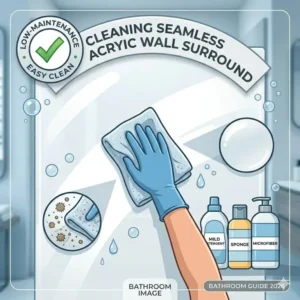
If you use a soft cloth and mild soap, acrylic will look brand new for a decade. But, if you have hard water and let it sit, the minerals can etch into the surface. On the other hand, composite is more forgiving of “lazy” cleaning. Because many composites are matte, they hide water spots and fingerprints much better than shiny acrylic.
Moreover, consider the repairability. If you drop a heavy tool and crack an acrylic wall, you are usually looking at replacing the whole panel. If you scratch a solid-surface composite, you can literally buff it out with a piece of fine-grit sandpaper. This “renewable” nature is a huge selling point for pros and cons of acrylic bath kits versus their composite counterparts.
Cleaning/Maintenance Table
| Material | Recommended Cleaner | Avoid At All Costs | Frequency |
| Acrylic | Dish soap, vinegar/water | Bleach, Comet, Scouring pads | Weekly |
| Composite | All-purpose sprays | Extremely harsh acids | Bi-weekly |
| Solid Surface | Mild abrasives (if needed) | Nothing is strictly “forbidden” | Monthly |

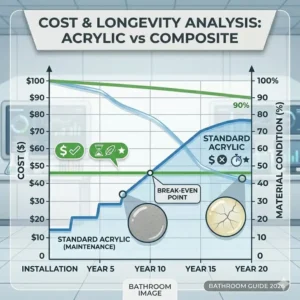
Cost Comparison: Upfront vs. Long-Term
While I won’t give you exact dollar amounts because market prices in 2026 fluctuate, I can provide a performance metric for value.
Acrylic is the winner for upfront savings. You spend less on the kit and less on the tools needed for installation. However, if you plan on staying in your home for 20 years, the “cost per year” of a composite kit might actually be lower because you won’t need to replace it.
Furthermore, consider home resale value. In the USA, many real estate agents note that “solid surface” or high-end composite surrounds carry more weight in a listing than “plastic” surrounds. It’s all about the “eye-test.” If it looks like stone, buyers think “expensive.” If it looks like plastic, they think “builder-grade.”
Performance Metrics Table
| Metric | Acrylic Surrounds | Composite Surrounds |
| Impact Strength | 6/10 | 9/10 |
| Stain Resistance | 9/10 | 8/10 |
| Color Retention | 8/10 | 10/10 |
| Moisture Barrier | 10/10 | 10/10 |
Why 2026 is the Year for Bathtub Wall Kits
In the past, these kits were looked down upon as “cheap fixes.” But in 2026, the manufacturing processes have improved so much that they are now featured in luxury design magazines. Specifically, the introduction of 3D-printed textures on composite panels has changed everything. You can now get a kit that feels like tumbled travertine or hand-laid subway tile.
According to a study on sustainable building materials, many modern acrylics and composites are now being made with recycled content, making them a greener choice than they were a decade ago.
Benefits Quantification Table
| Benefit | Impact on Home Life | Rating (1-5 ⭐) |
| Health (Mold Resistance) | No grout = No mold. | ⭐⭐⭐⭐⭐ |
| Time Savings | 15 mins vs 2 hours of cleaning. | ⭐⭐⭐⭐⭐ |
| Aesthetics | Instant modern upgrade. | ⭐⭐⭐⭐ |
| Safety | Integrated grab bars (often included). | ⭐⭐⭐ |
Factors to Consider Before Buying
Before you head to the store or click “Buy Now,” check these four things:
-
Wall Plumbness: Use a level to see if your walls are straight. If they lean more than 0.5-inches, you will have a hard time with glue-up acrylic.
-
Drain Location: Most kits are designed for specific tub layouts (left, right, or center drain). Don’t buy a kit that blocks your plumbing access.
-
Ceiling Height: Some kits are 60-inches tall, others are 80-inches. Ensure your shower head will still be positioned correctly.
-
Storage Needs: Do you have twelve bottles of skin care? You need a kit with integrated shelving, or you’ll be stuck using those suction-cup baskets that always fall down.
Summary of Acrylic vs Composite Bathtub Wall Kits Pros and Cons 2026
To wrap it up, if you want a fast, affordable, and shiny bathroom that is easy to wipe down, go with acrylic. It’s the king of convenience. If you want a bathroom that feels like a fortress, looks like stone, and can handle a lifetime of use, go with composite.
Regardless of your choice, moving away from traditional tile is a smart move for the modern homeowner. You are trading hours of scrubbing for minutes of wiping. And honestly, who doesn’t want more free time?
✨ Don’t Miss These Exclusive Deals!
🔍 Take your bathroom renovation to the next level with these carefully selected products. Click on any highlighted item to check current pricing and availability. These wall kits will help you create a beautiful, durable space your family will love for years! 🛀✨
Conclusion
Navigating the acrylic vs composite bathtub wall kits pros and cons 2026 doesn’t have to be a headache. By understanding the physical properties of these materials—the lightweight, glossy nature of acrylic versus the heavy-duty, textured feel of composite—you can choose the one that fits your lifestyle and your budget.
Remember, your bathroom is one of the most used rooms in your home. It deserves a material that works as hard as you do. Whether you choose the affordable elegance of the Delta ProCrylic or the indestructible nature of the Swanstone, you are making a massive upgrade to your home’s value and your own quality of life.
FAQs
✅ Acrylic is a non-porous plastic sheet reinforced with fiberglass, known for its high-gloss finish and ease of cleaning. Composite is a blend of resins and minerals, offering a denser, stone-like feel and superior resistance to scratches and heat...
✅ Yes, many glue-up acrylic kits are designed to be installed directly over existing tile if the tile is structuraly sound and clean. However, composite kits usually require a direct-to-stud installation, meaning the old tile must be removed first...
✅ Composite is generally better for high-use family bathrooms due to its extreme durability and impact resistance. It can withstand the bumps and drops of toys or heavy shampoo bottles without cracking, whereas acrylic is more prone to surface scratches...
✅ A high-quality acrylic wall kit typically lasts 10-15 years before the finish might dull. A premium composite kit can easily last 20-30 years or more, as the material is thicker and the surface is often renewable through light sanding...
✅ Yes, both materials are significantly better than tile at preventing mold because they eliminate grout lines. Since there are no porous areas for moisture to hide, mold has no place to grow, provided the seams are properly sealed with silicone... ❓ What is the main difference between acrylic and composite bathtub walls?
❓ Can I install an acrylic wall kit over existing tile?
❓ Which material is better for a high-use family bathroom?
❓ How long do acrylic vs composite bathtub wall kits last?
❓ Do bathtub wall kits prevent mold and mildew?
Recommended for You:
- Modern minimalist solid surface bathtub reviews 2026: 7 Best Tubs!
- 7 Best Solutions to Convert Shower to Bathtub: Transform Your Bathroom in 2025
- Acrylic Bathroom Wall Panels: 7 Best Options 2025
Disclaimer: This article contains affiliate links. If you purchase products through these links, we may earn a small commission at no additional cost to you.
✨ Found this helpful? Share it with your friends! 💬🤗