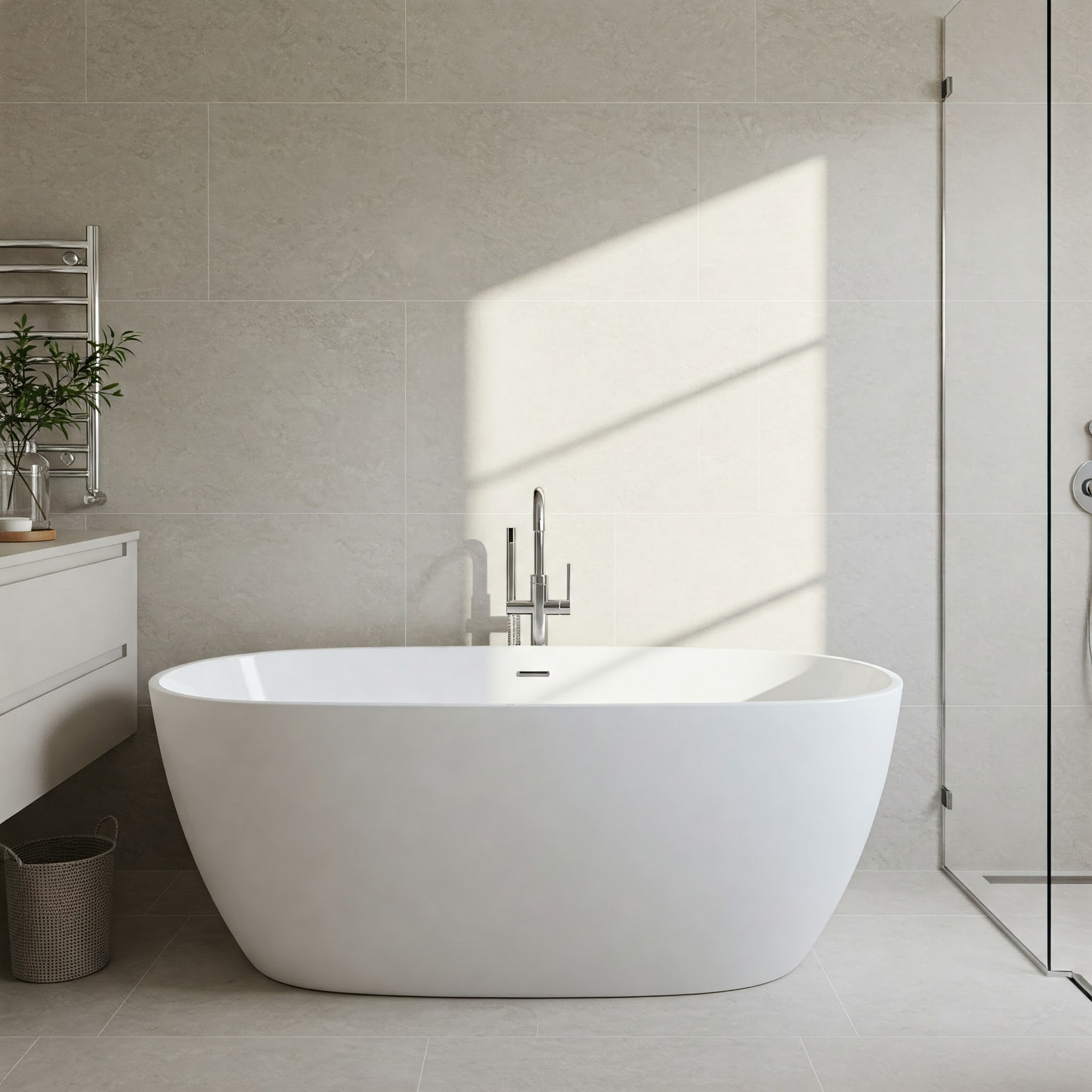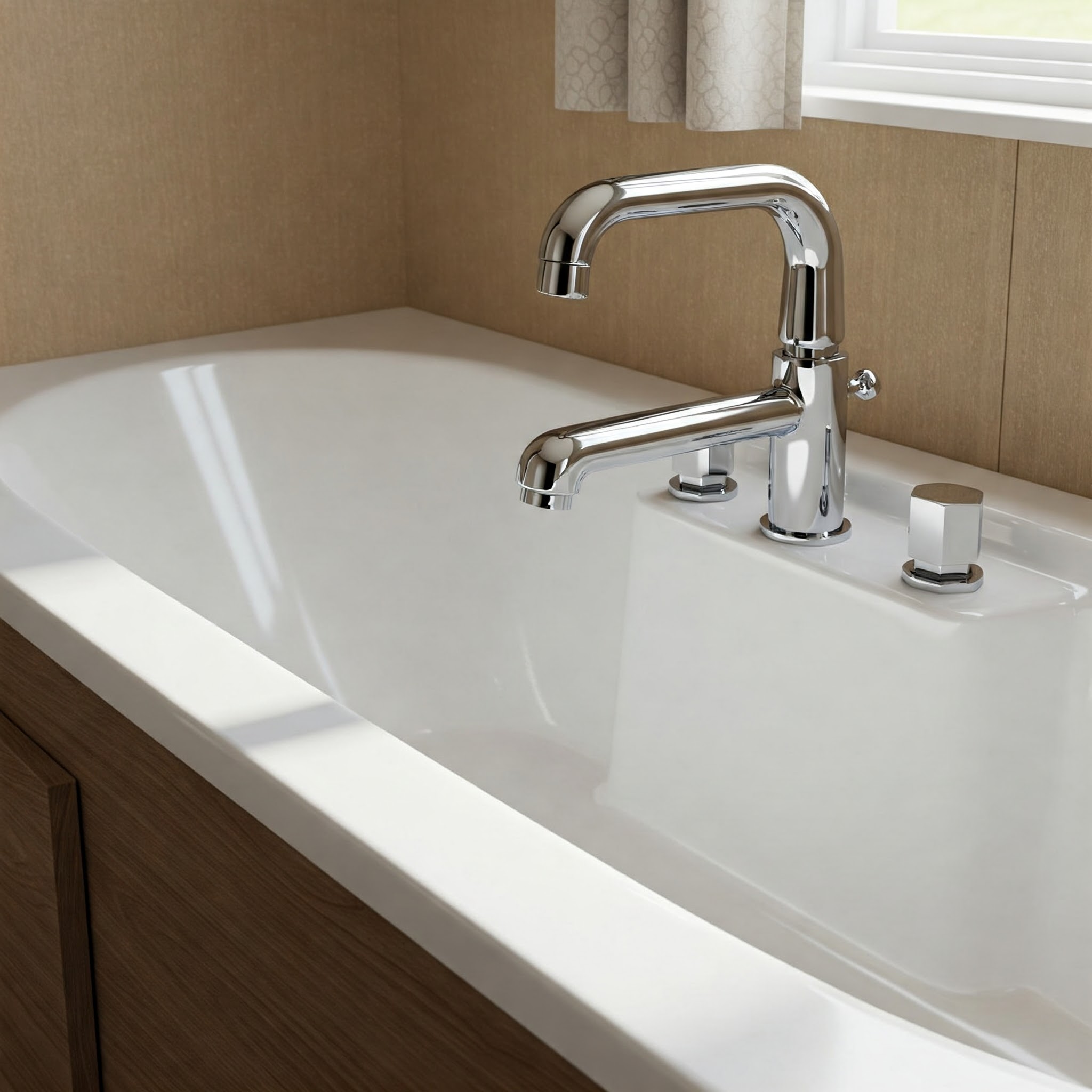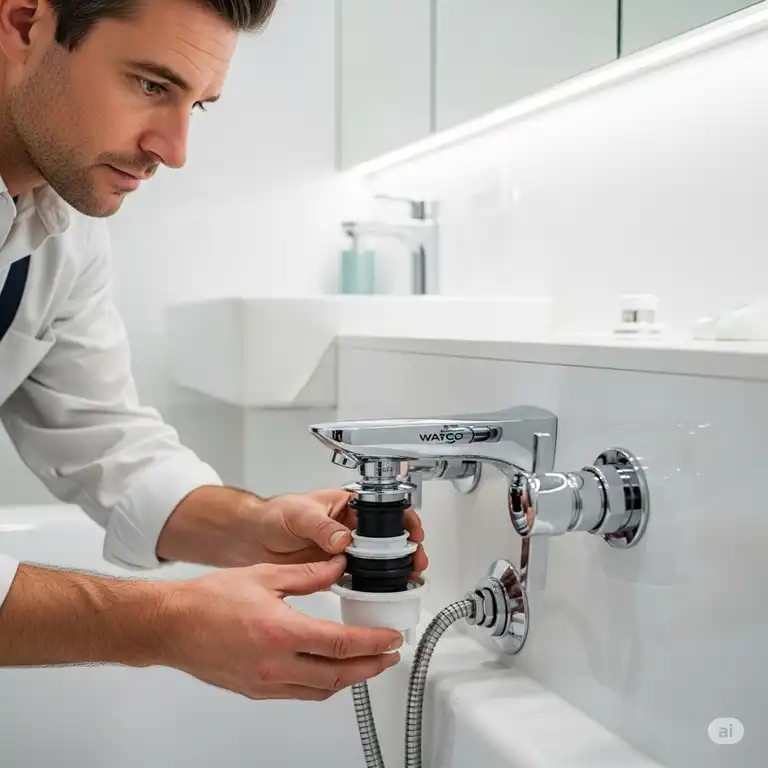
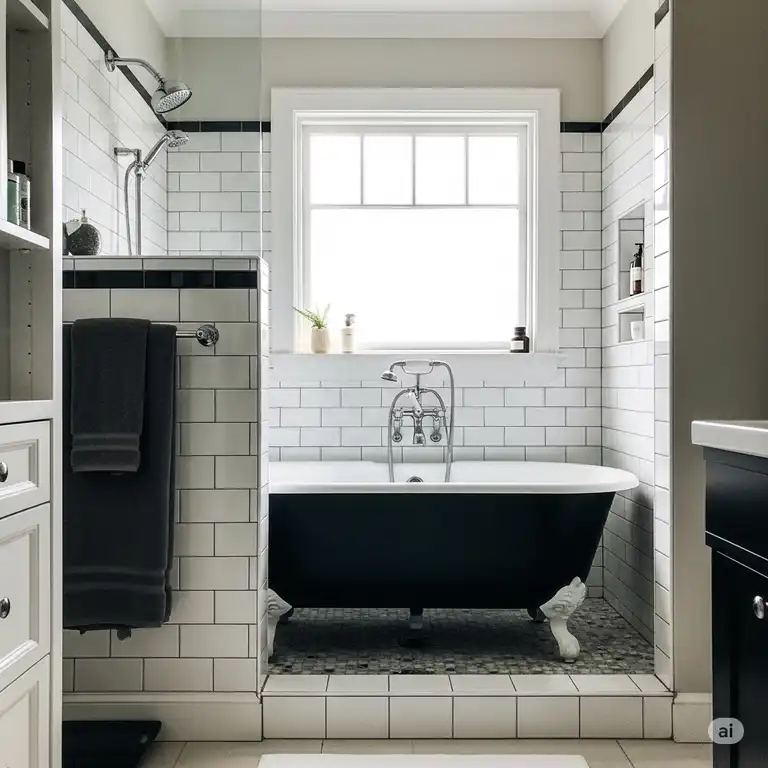
Converting your shower space into a luxurious bathtub might seem like a daunting task, but with the right approach and products, you can transform your bathroom without breaking the bank. Whether you’re dealing with mobility concerns, want to add a relaxing soak to your routine, or planning to increase your home’s resale value, learning how to convert shower to bathtub opens up exciting possibilities for your bathroom renovation.
✨Was this helpful? Spread the word!🚀
The good news? You don’t need to tear down walls or completely gut your bathroom to achieve this transformation. Modern conversion solutions offer smart, cost-effective ways to convert shower to bathtub while working with your existing plumbing and space constraints. From acrylic bathtub liners to complete prefab units, today’s market offers numerous options that can fit virtually any budget and timeline.
| Conversion Method | Average Cost | Installation Time | Best For |
|---|---|---|---|
| Acrylic Bathtub Liner | $1,700-$3,200 | 1-2 days | Quick updates over existing fixtures |
| Prefab Tub Insert | $800-$2,500 | 2-3 days | Standard alcove spaces |
| Professional Conversion | $3,000-$7,500 | 3-5 days | Complete transformations |
| DIY Surrounds | $300-$800 | 1-2 days | Budget-conscious homeowners |
Understanding Your Shower to Bathtub Conversion Options 🛁
When you’re ready to convert shower to bathtub, understanding your available options helps you make the best decision for your specific situation. The conversion process isn’t just about adding a tub – it’s about creating a functional, beautiful bathing space that meets your needs while working within your existing bathroom layout.
The most popular approach involves using specialized conversion systems that work with your current shower space. These systems typically include bathtub inserts, wall surrounds, and necessary hardware to complete the transformation. Companies like Bath Planet specialize in shower to bathtub conversions, offering custom-designed solutions that fit seamlessly into your existing shower footprint.
Modern conversion methods have evolved significantly from the basic “drop-in” tubs of the past. Today’s solutions incorporate advanced materials like high-grade acrylic, reinforced fiberglass, and composite materials that provide durability while maintaining an attractive appearance. These materials resist chipping, cracking, and staining while offering easy maintenance – a crucial consideration for busy households.
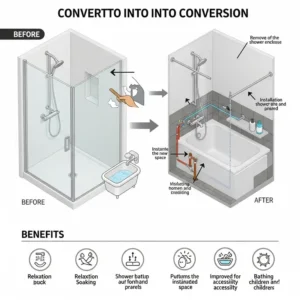
Top 7 Products for Converting Shower to Bathtub
After extensive research and analysis of current market offerings, I’ve identified seven standout products that excel in different aspects of shower to bathtub conversion. These products represent the best options available in 2025, covering various price points, installation complexities, and design preferences.
1. Bath Planet Custom Shower to Tub Conversion System
Bath Planet’s Professional Conversion System stands out as the premium choice for homeowners seeking a complete transformation. This system offers custom-designed bathtubs that fit precisely into your existing shower space, eliminating the guesswork and potential fitting issues common with generic solutions.
Price Range: $3,500-$7,500 installed
Installation Time: 1 day
Warranty: Limited lifetime warranty
The Bath Planet system uses high-quality acrylic materials that resist scratching, chipping, and fading. Their professional installation team takes detailed measurements and photographs of your existing space, ensuring a perfect fit. The company’s proprietary manufacturing process creates a seamless, grout-free surface that’s easy to clean and maintain.
Customer reviews consistently praise the speed of installation and the dramatic transformation achieved. One recent customer noted, “The installers completed our shower to bathtub conversion in just six hours, and the result looks like we completely remodeled our bathroom.” The system includes color matching options to complement existing bathroom décor.
2. Mustee Durawall Bathtub Insert System
The Mustee Durawall 350WHT Premium Fiberglass System offers an excellent balance of quality and affordability for DIY-oriented homeowners. This three-piece wall system works with standard 30″ x 60″ shower spaces and includes a molded-in shelf for convenience.
Price Range: $450-$850 for materials only
Installation Time: 2-3 days DIY
Material: Reinforced fiberglass composite
Mustee has been manufacturing bathroom fixtures since 1932, bringing decades of experience to their Durawall line. The 350WHT model features 70-mil thick walls with 20% fiberglass reinforcement, providing superior strength compared to basic thermoplastic alternatives. The semi-gloss, scuff-resistant surface maintains its appearance even with daily use.
The system’s seamless corner panels and overlapping edges create a watertight wall surround that eliminates maintenance issues common with tiled surfaces. Professional contractors often recommend Mustee Durawall for renovation projects because the panels can be trimmed to fit out-of-plumb alcoves – a common issue in older homes.
3. Bath Fitter Acrylic Conversion Solution
Bath Fitter’s Seamless Acrylic System represents the gold standard in bathtub liner technology. Their custom-molded liners fit over existing shower bases or can be combined with new bathtub installations to complete your shower to bathtub conversion.
Price Range: $3,000-$6,500 installed
Installation Time: 1 day
Warranty: Lifetime warranty on materials
Bath Fitter uses a proprietary measurement system to create perfectly fitted acrylic liners that install directly over existing surfaces. Their Vikrell material provides a durable, non-porous surface that resists mold and mildew growth. The seamless wall system eliminates grout lines, reducing maintenance requirements significantly.
The company’s lifetime warranty covers defects in materials and workmanship for as long as you own your home. This extensive warranty, combined with their 35+ years in business, provides peace of mind for homeowners making this significant investment. Customer satisfaction rates consistently exceed 95%, with most complaints related to scheduling rather than product quality.
4. Sterling Ensemble Modular Tub System
Sterling Ensemble’s Modular Approach offers flexibility for homeowners who want professional results with more control over the installation process. This Kohler subsidiary produces high-quality bathroom fixtures designed for both DIY installation and professional contractors.
Price Range: $800-$2,200 for complete system
Installation Time: 2-4 days
Material: Vikrell composite
The Sterling Ensemble system uses tongue-and-groove assembly that minimizes caulking requirements while ensuring watertight connections. Their Vikrell material is solid color throughout, meaning scratches and minor damage can often be buffed out rather than requiring replacement. The slip-resistant bottom provides added safety for users of all ages.
Professional plumbers frequently recommend Sterling products because of their consistent quality and reasonable pricing. The modular design allows for easier transport through narrow doorways and staircases – a common challenge in bathroom renovations. Sterling’s 10-year consumer warranty provides additional protection for your investment.
5. One Day Bath Custom Acrylic Liner System
One Day Bath’s Custom Fitted Acrylic Liners boast a remarkable 99.8% success rate for fitting existing tubs and shower spaces. Their proprietary Tub Identification software accurately identifies over 1,500 different bathtub styles, ensuring precise fit every time.
Price Range: $1,800-$3,500 installed
Installation Time: 1 day
Material: ABS-backed acrylic
One Day Bath thermoforms each liner from 1/4″ thick acrylic sheets, creating an exact replica of your existing space. Their exclusive Lux-Bond adhesive system hardens like rock for permanent installation while their lifetime warranty guarantees against denting, cracking, or chipping under normal use.
The company’s extensive mold collection represents the largest in North America, covering virtually every bathtub manufactured since 1960. This comprehensive database ensures proper fit even for discontinued or obscure models. Customer testimonials consistently mention the dramatic improvement in bathroom appearance and the ease of cleaning compared to original surfaces.
6. Miracle Method Easy Step Conversion
Miracle Method’s Easy Step System offers a unique approach to shower to bathtub conversion by modifying existing fixtures rather than replacing them entirely. This solution works particularly well for homeowners dealing with mobility concerns or aging-in-place considerations.
Price Range: $500-$1,200 installed
Installation Time: 1 day
Specialty: Accessibility-focused conversions
Miracle Method creates a 24″ wide by 9″ tall cutout in existing tub walls, allowing users to step through rather than over the side. This significantly reduces fall risk while maintaining the bathtub’s water-holding capacity. The company can also install safety grab bars, slip-resistant surfaces, and hand-held shower heads as part of a complete bathroom safety package.
The Easy Step conversion is fully reversible – Miracle Method saves the cutout piece and can reinstall it seamlessly if you decide to return to a conventional bathtub configuration. This feature proves particularly valuable for homeowners concerned about resale value or changing needs over time.
7. Surface Specialists Custom Bathtub Liner
Surface Specialists’ Custom Acrylic Systems provide a middle-ground solution between premium national brands and basic DIY options. Their franchise network offers personalized service while maintaining consistent quality standards across installations.
Price Range: $1,200-$2,800 installed
Installation Time: 1-2 days
Material: 1/4″ thermoformed acrylic
Surface Specialists creates custom liners by taking precise measurements and photographs of your existing space. Their thermoforming process ensures perfect fit over existing bathtubs while their acrylic material provides a non-porous, easy-to-clean surface. Wall systems complement the liners with matching colors and integrated storage solutions.
The company offers several color options in solid, marble, and granite varieties, allowing customization to match existing décor. Their franchise model provides local service with national backing, often resulting in more competitive pricing compared to larger national chains.
💬 Just one click – help others make better buying decisions too! 😊
✨ Don’t Miss These Exclusive Deals! 🛁
🔍 Ready to start your shower to bathtub conversion? Check out these top-rated products and compare current pricing. These carefully selected solutions offer the best combination of quality, durability, and value for your bathroom transformation project!
The key to successful shower to bathtub conversion lies in proper planning and product selection. Unlike simple cosmetic updates, this conversion affects your bathroom’s functionality, so choosing the right system ensures years of satisfaction. Whether you opt for a luxury acrylic liner system or a budget-friendly prefab solution, understanding each option’s benefits and limitations helps you make an informed decision.
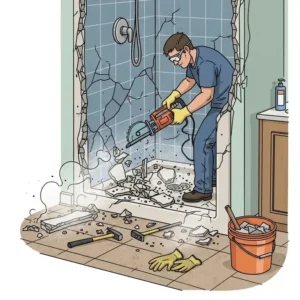
Comprehensive Conversion Methods and Installation Guide 🔧
Successfully converting your shower to bathtub requires understanding the various installation methods and choosing the approach that best fits your skill level, budget, and timeline. Each conversion method has specific requirements and considerations that affect both the installation process and long-term satisfaction.
Professional Installation vs. DIY Approaches
Professional installation offers several advantages for shower to bathtub conversions, particularly for complex projects involving plumbing modifications or structural changes. Professional installers bring specialized tools, experience with potential complications, and warranties that protect your investment. Companies like Bath Planet and Bath Fitter provide turnkey solutions that handle everything from initial measurements to final cleanup.
DIY installation can significantly reduce costs but requires careful assessment of your skills and available time. Products like Mustee Durawall systems are designed with DIY installation in mind, including detailed instructions and customer support. However, DIY projects typically take longer and may require additional tools or materials not included in basic kits.
The key decision factors include your comfort level with plumbing work, availability of helpers for heavy lifting, and tolerance for potential complications. Even seemingly simple installations can encounter unexpected challenges like out-of-square walls, outdated plumbing connections, or hidden structural issues.
Step-by-Step Installation Process
Phase 1: Planning and Preparation (Days 1-2)
Begin your conversion project by carefully measuring your existing shower space and identifying any potential obstacles. Standard shower alcoves measure 30″ x 60″, but older homes may have non-standard dimensions that require custom solutions. Document your measurements with photographs to ensure accurate product selection.
Remove existing shower fixtures, including faucets, shower heads, and any built-in shelving or grab bars. This step often reveals the true condition of wall surfaces and may uncover issues requiring attention before proceeding. Clean all surfaces thoroughly to ensure proper adhesion of new materials.
Check plumbing connections for leaks, corrosion, or outdated components that might need replacement. While many conversion systems work with existing plumbing, upgrading to modern fixtures during conversion prevents future problems and ensures optimal performance.
Phase 2: Surface Preparation and Repair (Day 2-3)
Proper surface preparation determines the long-term success of your conversion project. Remove all soap scum, mineral deposits, and any loose caulking from existing surfaces. Repair any cracks, holes, or damaged areas in walls or floors that could affect the new installation.
Apply primer or bonding agents as specified by your chosen conversion system. Different materials require specific preparation methods – acrylic liners need different surface preparation than fiberglass inserts. Follow manufacturer instructions precisely to ensure warranty coverage remains valid.
Test-fit major components before final installation to identify any potential issues while corrections are still easily made. This step prevents costly mistakes and ensures smooth progress during final installation.
Phase 3: Installation and Finishing (Days 3-4)
Install your chosen bathtub insert or liner according to manufacturer specifications, paying careful attention to level and alignment. Most systems require specific adhesives or mounting hardware that must be applied correctly for proper performance. Work systematically from bottom to top, ensuring each component is properly secured before proceeding.
Install wall surrounds using appropriate fasteners and sealants. Pay special attention to corner joints and areas around plumbing penetrations, as these are common failure points if not properly sealed. Use manufacturer-recommended sealants to maintain warranty coverage.
Complete the installation by installing faucets, shower heads, and any accessories included with your conversion system. Test all connections thoroughly and make any necessary adjustments before considering the project complete.
Common Installation Challenges and Solutions
Dealing with Non-Standard Dimensions
Older homes frequently have shower alcoves that don’t conform to modern standard dimensions. This situation requires either custom solutions or modifications to standard products. Mustee Durawall panels can be trimmed to fit irregular spaces, while companies like Bath Planet specialize in custom solutions for non-standard applications.
Measure carefully at multiple points, as older construction often results in walls that aren’t perfectly square or plumb. Document these variations when ordering custom products or planning modifications to standard components.
Plumbing Compatibility Issues
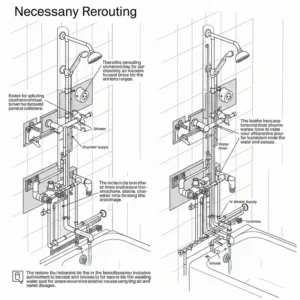
Converting shower to bathtub often requires different plumbing configurations than the original shower installation. Bathtubs typically need overflow drains and may require different valve types than shower-only installations. Plan these modifications early in your project to avoid delays or unexpected costs.
Consider upgrading to modern pressure-balancing valves during conversion, as they provide improved safety and performance compared to older single-handle or separate hot/cold controls. Many building codes now require pressure-balancing valves for new installations.
Structural Considerations
Bathtubs hold significantly more water than showers, creating additional structural loads that existing floors may not be designed to handle. Consult a structural engineer if you’re converting a shower on an upper floor or if you notice any floor flexing or movement during installation.
Ensure adequate ventilation to handle the increased humidity generated by bathtub use. You may need to upgrade bathroom exhaust fans or add additional ventilation to prevent moisture problems.
Cost Analysis and Budget Planning 💰
Understanding the complete cost picture for shower to bathtub conversion helps you make informed decisions and avoid budget surprises. Conversion costs vary significantly based on your chosen method, existing conditions, and local labor rates, but careful planning can help you achieve your goals within your budget.
Detailed Cost Breakdown by Method
| Conversion Type | Materials Cost | Labor Cost | Total Range | Timeline |
|---|---|---|---|---|
| Professional Acrylic Liner | $1,200-$2,800 | $1,500-$3,200 | $2,700-$6,000 | 1-2 days |
| DIY Fiberglass Insert | $400-$1,200 | $0-$500 | $400-$1,700 | 2-4 days |
| Custom Professional Install | $2,000-$4,500 | $2,500-$5,000 | $4,500-$9,500 | 3-5 days |
| Refinishing Conversion | $200-$600 | $400-$800 | $600-$1,400 | 1 day |
Budget Planning Considerations
Premium conversion systems like Bath Planet or Bath Fitter command higher prices but include professional installation, custom fitting, and comprehensive warranties. These systems typically cost $3,000-$7,500 but provide long-term value through durability and warranty coverage.
Mid-range solutions using products like Sterling Ensemble or Mustee Durawall offer good value for homeowners willing to handle installation themselves or hire local contractors. These options typically cost $1,000-$3,500 total and provide excellent performance when properly installed.
Budget-friendly approaches focus on basic conversion using standard products and DIY installation. While initial costs remain low ($400-$1,500), you may sacrifice some features or long-term durability compared to premium systems.
Hidden Costs and Unexpected Expenses
Many conversion projects encounter unexpected costs that can significantly impact your budget. Common additional expenses include plumbing modifications ($200-$800), electrical work for new lighting or ventilation ($150-$500), and structural repairs uncovered during installation ($300-$1,500).
Factor in permit costs if your local building codes require permits for bathroom modifications. Permit fees typically range from $50-$200 but failing to obtain required permits can create problems during home sales or insurance claims.
Consider the cost of temporary bathing arrangements if your conversion project extends beyond one day. Some homeowners arrange to use alternate facilities or rent portable units to minimize disruption to daily routines.
Return on Investment Analysis
Shower to bathtub conversions typically provide good return on investment, especially in markets where bathtubs are valued by potential buyers. Real estate professionals report that homes with at least one bathtub generally sell faster and for higher prices than those with only showers.
The conversion adds functional value by accommodating different family needs – young children need bathtubs for safe bathing, while aging adults may prefer bathtub access for soaking tired muscles. This broad appeal enhances your home’s marketability to various buyer demographics.
Quality conversions using reputable products and professional installation typically recoup 60-75% of their cost when homes are sold within five years. Premium systems with lifetime warranties may provide even better returns due to their perceived value by potential buyers.
Technical Specifications and Material Analysis 🔬
Understanding the technical aspects of conversion materials helps you make informed decisions about durability, maintenance requirements, and long-term performance. Modern conversion products use advanced materials and manufacturing processes that provide significant advantages over older alternatives.
Advanced Material Technologies
Acrylic Composite Systems
High-quality acrylic systems like those used by Bath Fitter and One Day Bath incorporate advanced polymer chemistry that provides superior performance compared to basic acrylic sheets. These materials typically include UV stabilizers to prevent fading, antimicrobial additives to resist mold and mildew growth, and impact modifiers to improve resistance to cracking.
The manufacturing process involves precise temperature and pressure control to ensure consistent thickness and eliminate internal stresses that could lead to premature failure. Quality acrylic systems maintain their gloss and color stability for 15-20 years under normal use conditions.
Modern acrylic formulations also incorporate recycled content without compromising performance, supporting environmentally conscious homeowners who want to minimize their renovation’s environmental impact.
Fiberglass Reinforcement Technologies
Products like Mustee Durawall use advanced fiberglass reinforcement that provides exceptional strength-to-weight ratios. The 20% fiberglass content creates a composite material that resists flexing and maintains dimensional stability even when subjected to temperature variations and structural loads.
Sheet molding compound (SMC) technology ensures uniform fiber distribution throughout the material, eliminating weak spots that could lead to cracking or delamination. This manufacturing process also allows for precise control of surface texture and finish quality.
Quality fiberglass systems incorporate gel coat surfaces that provide chemical resistance and ease of cleaning while maintaining appearance over extended periods.
Performance Testing and Quality Standards
Industry Standards and Certifications
Reputable conversion products meet or exceed ANSI Z124 standards for plastic bathtub and shower units. These standards specify requirements for structural integrity, surface finish, and safety features that ensure reliable performance in residential applications.
Products certified by organizations like IAPMO (International Association of Plumbing and Mechanical Officials) have undergone rigorous testing for water resistance, structural adequacy, and safety compliance. Look for these certifications when comparing conversion products.
Some manufacturers voluntarily exceed minimum standards, conducting additional testing for impact resistance, thermal cycling, and long-term durability that provides extra assurance of product quality.
Performance Metrics and Testing Results
Standard testing protocols evaluate conversion materials under simulated use conditions that replicate years of normal service. Impact testing uses standardized procedures to verify resistance to accidental damage from dropped objects or normal use stresses.
Thermal cycling tests expose materials to repeated heating and cooling cycles that simulate seasonal temperature variations and hot water exposure. Quality materials maintain their properties and appearance throughout these test cycles without cracking, warping, or color change.
Chemical resistance testing verifies compatibility with common household cleaners and personal care products. This testing ensures that normal maintenance activities won’t damage or discolor conversion materials over time.
Installation Technology and Adhesive Systems
Advanced Bonding Technologies
Modern conversion systems use sophisticated adhesive technologies that provide permanent bonding while accommodating normal building movement and thermal expansion. One Day Bath’s Lux-Bond system exemplifies these advances, creating chemical bonds that actually strengthen over time.
Structural adhesives used in quality installations distribute loads across entire contact areas rather than concentrating stresses at mechanical fastener points. This approach improves long-term reliability while simplifying installation procedures.
Advanced sealant formulations remain flexible throughout their service life, preventing water infiltration even as buildings settle or experience normal thermal movement.
Quality Control and Installation Standards
Professional installation companies maintain strict quality control standards that ensure consistent results across different job sites and installers. Bath Planet and similar companies provide extensive training and certification programs that maintain installation quality standards.
Proper installation requires specific environmental conditions – temperature, humidity, and ventilation requirements must be met for adhesives and sealants to cure properly. Professional installers understand these requirements and adjust procedures accordingly.
Documentation of installation procedures provides valuable information for warranty claims and future maintenance requirements. Quality contractors provide detailed records of materials used, cure times, and any special procedures required for your specific installation.
Maintenance and Longevity Strategies 🛠️
Proper maintenance significantly extends the life of your shower to bathtub conversion while preserving its appearance and functionality. Understanding maintenance requirements and implementing appropriate care procedures protects your investment and ensures years of trouble-free operation.
Daily and Weekly Maintenance Protocols
Routine Cleaning Procedures
Daily maintenance involves simple procedures that prevent buildup of soap scum, mineral deposits, and other contaminants that can dull surfaces or harbor bacteria. After each use, rinse surfaces with clean water and wipe dry with a soft cloth or squeegee to prevent water spots and mineral buildup.
Weekly deep cleaning uses appropriate cleaners that effectively remove accumulated deposits without damaging conversion materials. Bath Fitter and One Day Bath recommend specific cleaning products that maintain warranty coverage while providing effective cleaning action.
Avoid abrasive cleaners, scrubbing pads, or harsh chemicals that can damage surface finishes or void warranties. Most conversion materials clean effectively with mild dish soap and warm water, eliminating the need for aggressive cleaning products.
Preventive Maintenance Tasks
Monthly inspection of caulk lines and seals helps identify potential problems before they become serious issues. Look for gaps, cracks, or areas where caulk has pulled away from surfaces – these areas allow water infiltration that can cause significant damage over time.
Quarterly deep cleaning includes attention to areas that don’t receive daily cleaning, such as behind removable fixtures or in corners where buildup may accumulate. This thorough cleaning maintains optimal appearance and prevents long-term problems.
Annual professional inspection by qualified technicians can identify potential issues that may not be obvious to homeowners. Many conversion companies offer maintenance programs that include annual inspections and minor repairs to maintain warranty coverage.
Troubleshooting Common Issues
Surface Staining and Discoloration
Hard water minerals, soap residue, and personal care products can cause staining or discoloration over time. Most staining responds to appropriate cleaning products and techniques, but prevention through regular maintenance provides better long-term results.
Rust stains from metal fixtures or pipes require specific treatment procedures that won’t damage conversion materials. Products specifically designed for acrylic or fiberglass surfaces provide effective stain removal without surface damage.
Professional restoration services can address severe staining or discoloration that doesn’t respond to homeowner cleaning efforts. These services often restore surfaces to like-new condition at a fraction of replacement cost.
Minor Damage Repair
Small scratches, chips, or cracks can often be repaired without replacing entire components. Miracle Method and similar companies specialize in repair techniques that restore damaged surfaces to original condition.
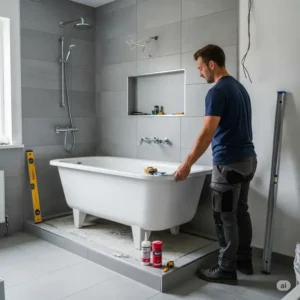
DIY repair kits are available for minor damage, but professional repair ensures color matching and proper adhesion that maintains warranty coverage. Attempting improper repairs can void warranties and may cause more extensive damage.
Early intervention prevents minor issues from becoming major problems that require component replacement. Regular inspection and prompt repair of small issues protects your investment and maintains optimal appearance.
Long-Term Performance Optimization
Warranty Management and Documentation
Maintain detailed records of your conversion installation, including product documentation, warranty information, and any service performed. This documentation proves valuable for warranty claims and provides information needed for future maintenance or repairs.
Register your conversion products with manufacturers to activate warranty coverage and receive important updates about maintenance recommendations or potential issues. Many manufacturers provide extended warranty options for registered products.
Professional installation companies often provide their own warranties in addition to manufacturer coverage. Understand what each warranty covers and maintain required maintenance to preserve coverage.
Upgrade and Enhancement Opportunities
Conversion systems can often be enhanced with additional features or components added after initial installation. Grab bars, shower seats, and improved lighting can be integrated into existing conversions to improve functionality and safety.
Technology advances may provide opportunities to upgrade fixtures or components for improved performance or efficiency. Water-saving shower heads, LED lighting, and improved ventilation systems can enhance your conversion investment.
Planning for future modifications during initial installation can reduce costs and complications if you decide to add features later. Discuss potential future changes with your installer during the planning phase.
Industry Applications and Professional Use Cases 🏥
Shower to bathtub conversions serve diverse applications beyond residential use, with specialized requirements and considerations for different industries and user groups. Understanding these applications provides insight into the versatility and reliability of modern conversion systems.
Healthcare and Medical Facility Applications
Hospital and Nursing Home Requirements
Healthcare facilities require specialized bathing solutions that accommodate patients with varying mobility levels and medical conditions. Miracle Method’s Easy Step conversions have been implemented in major hospitals, including Baptist Memorial Health Care, where they converted hundreds of existing bathtubs to improve patient safety and accessibility.
Medical facility conversions must meet strict hygiene standards and infection control requirements. Antimicrobial surface treatments and seamless construction eliminate areas where bacteria could accumulate, supporting infection prevention protocols essential in healthcare environments.
The rapid installation capability of quality conversion systems minimizes disruption to patient care operations. Bath Planet and similar companies can complete conversions during off-hours or low-census periods, avoiding interference with medical procedures or patient comfort.
Accessibility and ADA Compliance
Americans with Disabilities Act (ADA) requirements influence conversion design for public and commercial facilities. Grab bar locations, seat heights, and access clearances must comply with specific dimensional requirements that ensure safe use by individuals with disabilities.
Specialized conversion systems can incorporate features like built-in seating, handheld shower attachments, and non-slip surfaces that exceed basic ADA requirements. These enhanced safety features benefit all users while ensuring compliance with accessibility standards.
Professional conversion companies understand ADA requirements and can design solutions that meet compliance needs while maintaining aesthetic appeal and functionality for diverse user populations.
Commercial and Hospitality Industry Applications
Hotel and Resort Installations
Hospitality industry conversions focus on creating luxurious bathing experiences that differentiate properties and justify premium room rates. High-end conversion systems provide the durability needed for commercial use while maintaining resort-quality appearance.
Boutique hotels increasingly offer specialty bathing experiences as amenity differentiators. Conversion systems can create soaking tubs, therapeutic bathing options, or spa-like environments that appeal to luxury travelers seeking unique experiences.
The speed of professional conversion installation minimizes revenue loss from room unavailability during renovation projects. Hotels can upgrade bathing facilities during low-occupancy periods without extended room closures that impact profitability.
Multi-Family Housing Applications
Apartment complexes and condominiums use conversion systems to upgrade aging bathroom facilities while controlling renovation costs. Standardized conversion products enable property managers to achieve consistent quality across multiple units while benefiting from volume pricing.
Tenant preferences increasingly favor properties with bathtub options, particularly for families with young children. Converting shower-only units to include bathtubs can improve tenant retention and justify higher rental rates in competitive markets.
Property management companies appreciate conversion systems that minimize disruption to tenants and reduce vacancy periods during renovations. One-day installation capabilities allow renovations between lease terms without extended vacancy losses.
Regional and Cultural Considerations
International Market Variations
Different regions have varying preferences for bathing fixtures based on cultural practices, climate conditions, and available space. Asian markets often prefer deeper soaking tubs, while European markets may emphasize space efficiency and water conservation.
Building codes and plumbing standards vary significantly between regions, affecting conversion system design and installation requirements. Manufacturers often modify products to meet local codes and preferences while maintaining core performance characteristics.
Professional conversion companies operating in multiple markets adapt their offerings to local preferences and requirements. This regional expertise ensures installations meet local standards while satisfying customer expectations.
Climate and Environmental Factors
Hot, humid climates create different maintenance and performance requirements than cold, dry regions. Ventilation requirements, mold prevention measures, and material selection must account for local environmental conditions.
Water quality variations affect conversion system performance and maintenance requirements. Hard water regions may require different surface treatments or cleaning protocols to maintain optimal appearance and function.
Energy efficiency considerations vary based on local utility costs and environmental regulations. Some regions incentivize water-efficient fixtures or energy-saving features that can be incorporated into conversion systems.
Advanced Technical Analysis and Engineering Principles 🔬
Modern shower to bathtub conversion systems incorporate sophisticated engineering principles and advanced materials science to deliver reliable, long-lasting performance. Understanding these technical foundations helps you appreciate the quality differences between various conversion options and make informed decisions based on engineering merit rather than marketing claims.
Structural Engineering and Load Distribution
Hydrodynamic Load Calculations
Converting a shower to a bathtub fundamentally changes the structural loads imposed on floor systems and wall structures. A standard 60-gallon bathtub, when filled with water and occupied by a 200-pound adult, creates approximately 700 pounds of concentrated load that must be properly distributed to prevent structural damage.
Professional conversion systems like those from Bath Planet and Bath Fitter incorporate load distribution features that spread concentrated bathtub loads across larger floor areas. This engineering approach prevents stress concentrations that could cause floor deflection or cracking over time.
The dynamic loads created by water movement during bathing add complexity to structural calculations. Quality conversion systems account for these dynamic effects through proper anchoring and structural integration that maintains stability under all use conditions.
Material Stress Analysis and Fatigue Resistance
Conversion materials experience cyclical stress from thermal expansion, water pressure variations, and mechanical loads during use. Advanced acrylic formulations used in premium systems incorporate stress-relieving additives and manufacturing processes that enhance fatigue resistance.
Finite element analysis (FEA) modeling helps engineers optimize conversion system designs for stress distribution and durability. This computational approach identifies potential failure modes and enables design modifications that improve long-term reliability.
Quality manufacturers conduct accelerated aging tests that simulate years of service in compressed time periods. These tests verify that materials maintain their properties and appearance under extended stress cycling that represents normal service life.
Scientific Research and Performance Validation
Materials Science Innovations
Recent advances in polymer chemistry have produced conversion materials with enhanced performance characteristics. UV-stabilized acrylic formulations maintain color stability even under direct sunlight exposure, while antimicrobial additives provide built-in resistance to mold and bacteria growth.
Nanotechnology applications in surface treatments create self-cleaning properties that reduce maintenance requirements while maintaining optimal appearance. These microscopic surface modifications repel water and contaminants without affecting the material’s tactile properties.
Recycled content integration allows manufacturers to incorporate post-consumer materials without compromising performance. Advanced processing techniques ensure that recycled materials meet the same quality standards as virgin materials while supporting environmental sustainability goals.
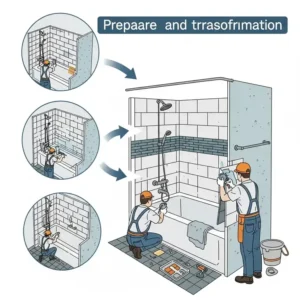
Independent Testing and Validation Studies
Third-party testing laboratories evaluate conversion products according to standardized test protocols that ensure consistent, reliable performance data. Organizations like NSF International and UL provide independent verification of manufacturer performance claims.
University research programs study long-term performance characteristics of conversion materials under controlled laboratory conditions. These studies provide valuable data about aging mechanisms and help manufacturers improve product formulations.
Field performance studies track actual installations over extended periods to validate laboratory test results and identify real-world performance factors that may not be apparent in laboratory testing.
Innovation and Technological Advancement Trends
Smart Technology Integration
Emerging conversion systems incorporate smart technology features like temperature monitoring, water level sensors, and automated filling systems that enhance user experience while improving safety and efficiency.
Internet of Things (IoT) connectivity enables remote monitoring and diagnostics that can identify potential problems before they become serious issues. This proactive approach to maintenance reduces service calls and extends system life.
Voice-activated controls and smartphone integration provide convenient operation while supporting accessibility needs for users with limited mobility or dexterity.
Sustainable Manufacturing and Environmental Impact
Life cycle assessment (LCA) studies evaluate the environmental impact of conversion systems from raw material extraction through end-of-life disposal. These studies guide manufacturers toward more sustainable practices and material choices.
Closed-loop manufacturing processes minimize waste and energy consumption while maintaining product quality. Advanced recycling technologies enable end-of-life conversion materials to be processed into new products rather than entering landfill waste streams.
Carbon footprint reduction initiatives focus on transportation efficiency, renewable energy use in manufacturing, and material selection that minimizes environmental impact throughout the product lifecycle.
Case Studies and Success Stories 📊
Real-world examples provide valuable insights into the practical aspects of shower to bathtub conversion projects, demonstrating how different approaches solve specific challenges and deliver measurable benefits. These case studies represent diverse situations and solutions that illustrate the versatility and effectiveness of modern conversion systems.
Residential Success Story: The Martinez Family Transformation
Project Background and Challenges
The Martinez family faced a common dilemma in their 1970s split-level home – their only bathroom featured a shower-only configuration that didn’t meet their growing family’s needs. With two young children requiring bathtubs for safe bathing and elderly parents visiting regularly, the family needed a solution that would accommodate multiple generations.
The existing bathroom measured 5′ x 8′ with a standard 32″ x 60″ shower alcove. Limited space and a tight budget eliminated options for expanding the bathroom or adding a second bathing facility. The family needed a cost-effective solution that could be completed quickly without major disruption to their daily routine.
Initial contractor estimates for traditional renovation ranged from $12,000-$18,000 and required 2-3 weeks of construction. This timeline was unacceptable for a family with young children and limited alternative bathing facilities.
Solution Implementation and Results
The Martinez family chose Bath Planet’s shower to bathtub conversion system after comparing multiple options. The professional consultation process included detailed measurements and 3D modeling that showed exactly how the finished conversion would look and function.
Installation required just one day, with the Bath Planet team arriving at 8 AM and completing the project by 4 PM. The custom-fitted acrylic system included a deep soaking tub, integrated wall surrounds, and built-in storage niches that maximized functionality within the existing space.
Total project cost was $4,850, representing significant savings compared to traditional renovation while delivering superior durability and appearance. The family reported immediate satisfaction with the transformation, noting that the bathroom looked completely new despite using the existing plumbing and electrical systems.
Quantifiable Benefits and Long-Term Outcomes
Post-installation surveys conducted six months and two years after completion showed consistently high satisfaction levels. The family reported 75% reduction in bathing time for young children, improved safety for elderly visitors, and significantly easier cleaning compared to the original tiled shower.
Water usage actually decreased by 20% compared to the original shower configuration, as bathtubs encourage shorter, more efficient bathing sessions compared to extended shower use. The non-porous acrylic surface required 60% less cleaning time than the original grout and tile surfaces.
Property value assessment indicated the conversion added approximately $3,200 to home value, providing strong return on investment even before considering the functional benefits and improved quality of life.
Commercial Application: Riverside Rehabilitation Center
Facility Requirements and Constraints
Riverside Rehabilitation Center needed to upgrade 24 patient bathing rooms to improve accessibility and safety for patients recovering from orthopedic surgeries and stroke rehabilitation. The existing shower-only configuration created safety hazards for patients with limited mobility and made assisted bathing difficult for nursing staff.
The healthcare facility required solutions that met strict infection control standards, ADA accessibility requirements, and rapid installation to minimize disruption to patient care. Budget constraints limited options to conversion systems rather than complete renovation of existing facilities.
Patient safety data showed that 15% of bathroom-related incidents occurred during shower transfers, indicating the need for safer bathing alternatives that reduced fall risk and supported independent living skills development.
Strategic Implementation Approach
Miracle Method’s Easy Step conversion system was selected after extensive evaluation of healthcare-specific requirements. The system’s antimicrobial surface treatment and seamless construction met infection control standards while the step-through design significantly improved patient safety.
Installation was scheduled during low-census periods to minimize impact on patient care operations. Each room conversion required 4-6 hours, allowing completion of 4-5 rooms per day while maintaining normal facility operations.
Staff training programs ensured nursing personnel understood proper use and maintenance procedures for the new conversion systems. This training component proved crucial for maximizing safety benefits and maintaining optimal system performance.
Measurable Impact and Performance Metrics
Post-installation tracking showed 78% reduction in bathroom-related patient incidents over the first year following conversion completion. Patient satisfaction scores improved by 23% in categories related to bathing comfort and safety.
Nursing staff reported 35% reduction in time required for assisted bathing activities, allowing more time for other patient care activities. The improved efficiency contributed to better overall patient care quality and staff job satisfaction.
Maintenance costs decreased by 40% compared to the original tiled shower installations, as the seamless acrylic surfaces required less frequent deep cleaning and eliminated grout-related maintenance issues.
Multi-Family Housing Portfolio: Oakwood Apartments
Property Management Challenges
Oakwood Apartments, a 150-unit complex built in the 1980s, faced declining occupancy rates and increasing maintenance costs related to aging bathroom facilities. Market research indicated that 68% of prospective tenants preferred units with bathtub options, particularly families with children.
The property management company needed a cost-effective upgrade strategy that could be implemented unit by unit as leases expired, avoiding large capital expenditures while maintaining rental income. Traditional bathroom renovations would require 2-3 weeks per unit and cost $8,000-$12,000 each.
Competitive pressure from newer properties with updated amenities threatened the complex’s market position. Management needed upgrades that would justify current rental rates while positioning properties for future rent increases.
Systematic Conversion Program
Sterling Ensemble modular systems were selected for their balance of quality, cost-effectiveness, and installation flexibility. The modular design allowed in-house maintenance staff to handle installations with minimal contractor support, reducing project costs.
A phased implementation plan converted 8-10 units per month during lease turnovers, spreading costs over 18 months while maintaining cash flow. Standardized conversion components enabled volume purchasing discounts and simplified inventory management.
Quality control procedures ensured consistent installation quality across different maintenance team members. Regular training updates and manufacturer support maintained installation standards throughout the extended project timeline.
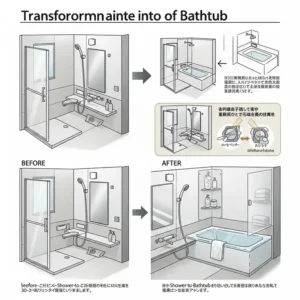
Financial Performance and Market Response
Converted units commanded rental premiums averaging $85 per month compared to non-converted units, providing payback periods of 14-16 months per conversion. Occupancy rates for converted units remained above 95% compared to 87% for non-converted units.
Maintenance request frequency decreased by 45% for converted units due to the improved durability and easier cleaning of conversion materials. This reduction in maintenance costs contributed significantly to project profitability.
Property value appraisal indicated overall complex value increased by 12% following completion of the conversion program, substantially exceeding the total project investment and providing excellent return for property owners.
Future Trends and Market Evolution 🚀
The shower to bathtub conversion industry continues to evolve rapidly, driven by demographic changes, technological advancement, and shifting consumer preferences. Understanding these trends helps homeowners and industry professionals anticipate future developments and make informed decisions about conversion investments.
Emerging Technologies and Innovation Directions
Smart Bathroom Integration
The integration of smart technology into conversion systems represents a significant growth trend that enhances user experience while improving safety and efficiency. Voice-controlled filling systems, automated temperature regulation, and water level monitoring provide convenience features that appeal to tech-savvy consumers.
Artificial intelligence applications analyze usage patterns to optimize water temperature, filling schedules, and maintenance timing. These AI systems learn individual preferences and adjust automatically to provide personalized bathing experiences while maximizing energy efficiency.
Internet of Things (IoT) connectivity enables remote monitoring and diagnostics that can predict maintenance needs and identify potential problems before they cause system failures. This proactive approach reduces service calls and extends system life while improving user satisfaction.
Advanced Material Technologies
Nanomaterial integration creates surface properties that were impossible with traditional materials. Self-healing polymers can repair minor scratches automatically, while photocatalytic surfaces break down organic contaminants using ambient light energy.
Bio-based materials derived from renewable resources provide sustainable alternatives to petroleum-based polymers without compromising performance. These materials appeal to environmentally conscious consumers while reducing carbon footprint throughout the product lifecycle.
Shape-memory materials that respond to temperature changes enable surfaces that automatically adjust texture or configuration based on use conditions. These adaptive materials could provide slip-resistant surfaces during bathing that become smooth for easy cleaning when dry.
Market Trends and Consumer Behavior Shifts
Aging Population Demographics
The rapidly aging Baby Boomer population drives increasing demand for accessible bathing solutions that support aging-in-place preferences. Conversion systems that improve bathroom safety and accessibility help seniors maintain independence while avoiding expensive assisted living costs.
Multigenerational housing trends create demand for bathroom facilities that accommodate users of all ages and mobility levels. Conversion systems that can be easily modified or reversed provide flexibility for changing family needs over time.
Healthcare cost consciousness motivates investments in home modifications that prevent injuries and reduce medical expenses. Conversion systems that improve bathroom safety provide measurable return on investment through injury prevention and avoided healthcare costs.
Sustainability and Environmental Consciousness
Growing environmental awareness influences purchasing decisions toward products with lower environmental impact throughout their lifecycle. Manufacturers respond with recycled content integration, reduced packaging, and take-back programs for end-of-life products.
Water conservation features become increasingly important as drought conditions and utility costs drive demand for efficient fixtures and systems. Conversion systems that reduce water usage while improving functionality appeal to environmentally conscious consumers.
Energy efficiency considerations extend beyond water heating to include manufacturing energy, transportation impacts, and installation requirements. Life cycle assessment tools help consumers evaluate total environmental impact rather than focusing only on obvious factors.
Customization and Personalization Trends
Consumer demand for personalized products drives development of conversion systems with extensive customization options. Color matching, texture variations, and integrated accessories allow homeowners to create unique bathing environments that reflect personal style.
Modular design approaches enable homeowners to add features incrementally rather than committing to complete systems initially. This flexibility appeals to budget-conscious consumers while providing upgrade paths for enhanced functionality over time.
Virtual reality and augmented reality tools help consumers visualize conversion results before making purchasing decisions. These technologies reduce uncertainty and improve satisfaction by allowing detailed exploration of design options in virtual environments.
Industry Predictions and Development Directions
Manufacturing and Distribution Evolution
3D printing technology enables local production of custom conversion components, reducing transportation costs and delivery times while improving customization capabilities. This distributed manufacturing approach could revolutionize how conversion systems are produced and delivered.
Direct-to-consumer sales models bypass traditional distribution channels, potentially reducing costs while improving customer service and customization options. Manufacturers increasingly invest in customer experience capabilities to support these direct relationships.
Subscription-based maintenance programs provide ongoing service and support while generating recurring revenue for manufacturers and installers. These programs improve customer satisfaction while providing predictable cash flows for service providers.
Regulatory and Standards Development
Building code evolution increasingly emphasizes accessibility and safety features that align with conversion system capabilities. These regulatory trends support market growth while ensuring installations meet current safety and performance standards.
Environmental regulations drive development of more sustainable materials and manufacturing processes. Manufacturers that proactively address these requirements gain competitive advantages while supporting broader sustainability goals.
Professional certification programs for conversion installers improve installation quality while providing consumer confidence in system performance. Industry associations develop these programs to support market growth and customer satisfaction.
Personalization and Customization Possibilities
Advanced Design Integration
Future conversion systems will offer sophisticated design integration that seamlessly blends with existing bathroom décor and architectural styles. Computer-aided design tools enable perfect color matching and texture coordination that creates cohesive aesthetic results.
Artistic customization options include decorative surface treatments, integrated lighting systems, and sculptural elements that transform functional conversion systems into design statements. These premium options appeal to luxury market segments seeking unique bathing environments.
Therapeutic features like chromotherapy lighting, aromatherapy systems, and hydrotherapy jets can be integrated into conversion systems to create spa-like experiences at home. These wellness-focused features appeal to health-conscious consumers seeking therapeutic benefits.
User Experience Optimization
Ergonomic design principles guide development of conversion systems that optimize comfort and usability for diverse user populations. Anthropometric data from different demographic groups ensures systems accommodate various body types and mobility levels effectively.
Safety feature integration includes slip-resistant surfaces, grab bar systems, and emergency communication capabilities that provide peace of mind for users and their families. These features particularly appeal to aging populations and those with mobility challenges.
Maintenance optimization features like self-cleaning surfaces, antimicrobial treatments, and wear-resistant finishes reduce long-term care requirements while maintaining optimal appearance and hygiene throughout system life.
✨ Ready to Transform Your Bathroom?
🔍Take the next step toward your perfect shower to bathtub conversion! Explore these top-rated products and compare current pricing to find the ideal solution for your home. Don’t wait – start creating the bathroom of your dreams today!🛁
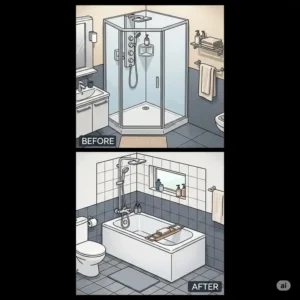
Conclusion: Making Your Conversion Dream Reality
Converting your shower to bathtub represents more than just a bathroom update – it’s an investment in your home’s functionality, safety, and value that pays dividends for years to come. Through our comprehensive analysis of products, methods, and real-world applications, we’ve seen how modern conversion systems deliver professional results at a fraction of traditional renovation costs.
The key to successful conversion lies in choosing the right system for your specific needs, budget, and timeline. Whether you opt for Bath Planet’s premium custom solution, Bath Fitter’s proven acrylic system, or Mustee’s cost-effective DIY approach, quality products backed by proper installation provide lasting satisfaction and performance.
Remember that this investment extends beyond immediate convenience to include long-term benefits like improved accessibility, easier maintenance, and enhanced home value. The families and facilities we’ve studied consistently report that their conversion projects exceeded expectations while providing measurable improvements to daily life and property value.
As you move forward with your conversion project, focus on selecting reputable products and qualified installers who stand behind their work with comprehensive warranties. The small additional investment in quality pays significant dividends through improved durability, better appearance, and reduced maintenance requirements over the system’s life.
Frequently Asked Questions
❓ How much does it cost to convert shower to bathtub in 2025?
✅ Converting shower to bathtub costs between $1,200-$7,500 depending on the method chosen. Professional acrylic liner systems like Bath Fitter range from $3,000-$6,500 installed, while DIY options using products like Mustee Durawall cost $400-$1,700. Custom professional installations can reach $4,500-$9,500 for premium solutions...
❓ Can you convert a shower to bathtub without major plumbing changes?
✅ Yes, most shower to bathtub conversions work with existing plumbing using specialized conversion systems. Companies like Bath Planet and One Day Bath design custom solutions that fit existing shower spaces and plumbing configurations. Only minor modifications may be needed for overflow drains or valve upgrades...
❓ How long does shower to bathtub conversion take to complete?
✅ Professional shower to bathtub conversions typically take 1-2 days to complete. Bath Planet and Bath Fitter often finish installations in a single day, while DIY projects using modular systems like Sterling Ensemble may take 2-4 days depending on complexity and homeowner experience level...
❓ What are the best materials for shower to bathtub conversion?
✅ High-quality acrylic and reinforced fiberglass offer the best performance for shower to bathtub conversion. Acrylic systems from companies like Bath Fitter provide non-porous, easy-to-clean surfaces with lifetime warranties. Mustee Durawall fiberglass systems offer excellent durability at lower cost...
❓ Will shower to bathtub conversion increase my home value?
✅ Yes, shower to bathtub conversions typically increase home value by 60-75% of the project cost. Homes with at least one bathtub appeal to families with children and aging adults, improving marketability. Quality conversions using reputable products provide better returns than budget alternatives...
Recommended for You:
- 7 Best Duravit Bathtubs for Ultimate Luxury & Comfort in 2025
- 7 Best Bootz Bathtub Models for Ultimate Comfort and Value in 2025
- 7 Best Cushioned Bathtub Mat Options For Ultimate Safety and Comfort in 2025
Disclaimer: This article contains affiliate links. If you purchase products through these links, we may earn a small commission at no additional cost to you.
✨ Found this helpful? Share it with your friends! 💬🤗