
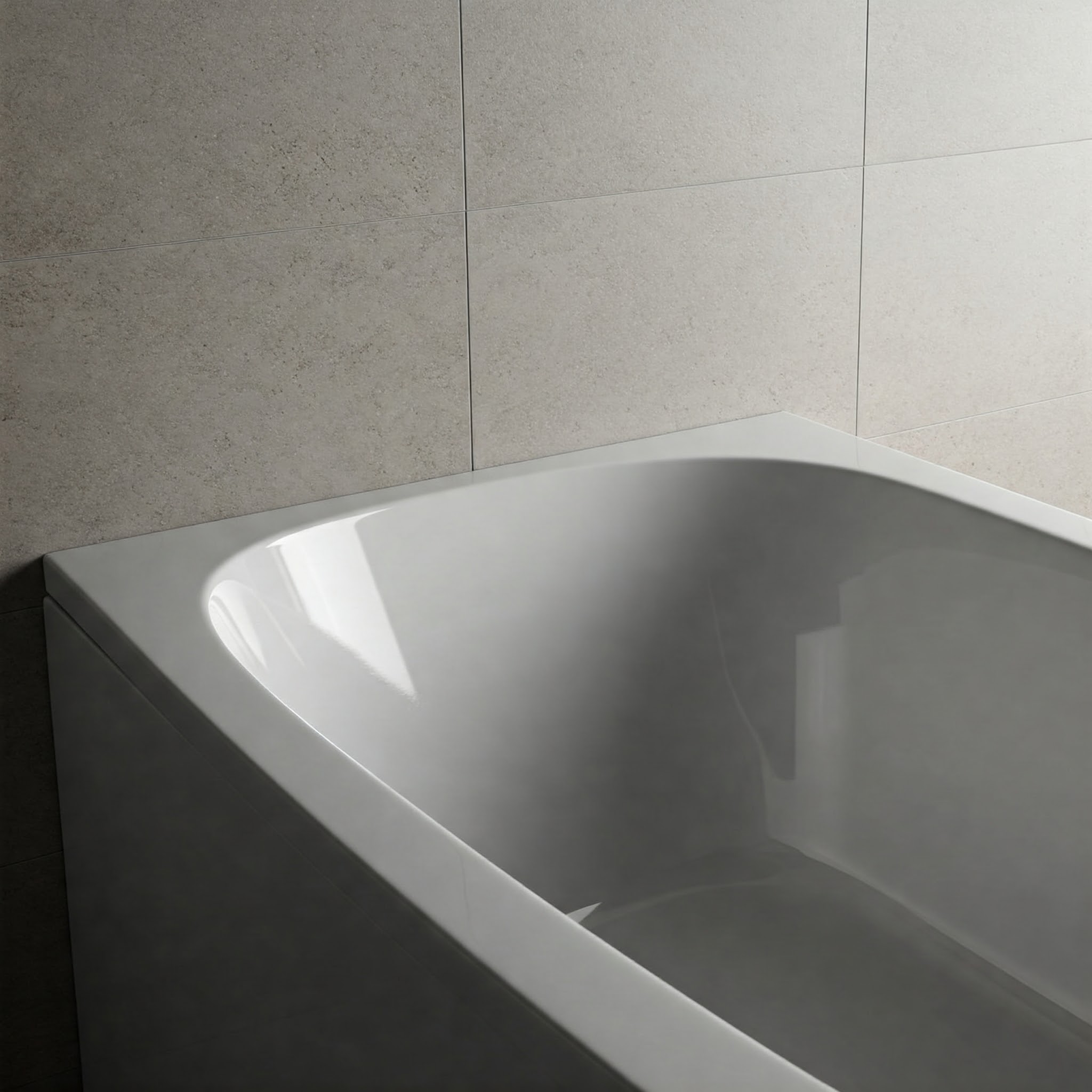
🛁 Are you considering a bathroom renovation or building a new home? If so, then selecting the right fiberglass bathtub might be one of your most important decisions. After all, the bathtub often serves as the centerpiece of any bathroom, combining both functionality and aesthetic appeal.
When it comes to bathroom fixtures, a fiberglass bathtub represents one of the most popular and versatile options available to homeowners today. Whether you’re looking for affordability, ease of installation, or design flexibility, fiberglass bathtubs offer numerous advantages worth exploring.
In this comprehensive guide, we’ll dive deep into everything you need to know about fiberglass bathtubs – from understanding what they are and how they’re made to selecting the perfect model for your specific needs. Additionally, we’ll explore installation processes, maintenance requirements, and how they compare to other bathtub materials.
So, let’s begin our journey into the world of fiberglass bathtubs and discover why they might be the perfect addition to your bathroom renovation project!
What Is a Fiberglass Bathtub?
Before making any purchasing decisions, it’s essential to understand exactly what a fiberglass bathtub is and how it differs from other options on the market.
Definition and Construction
✅ A fiberglass bathtub is made from layers of fiberglass strands that are woven together and reinforced with resin. This construction creates a lightweight yet durable bathing vessel that has become increasingly popular in modern homes.
The manufacturing process typically involves several layers:
- First, a gel coat is sprayed into a mold to create the smooth, finished surface
- Next, layers of fiberglass and resin are applied
- Finally, the tub is removed from the mold and finished with any necessary trimming or polishing
This layered construction gives fiberglass bathtubs their distinctive properties – they’re lightweight compared to cast iron or stone alternatives, yet still provide adequate durability for everyday use.
Fiberglass vs. Acrylic: Understanding the Difference
Many homeowners confuse fiberglass bathtubs with acrylic models, but there are important distinctions between these materials:
| Feature | Fiberglass Bathtub | Acrylic Bathtub |
|---|---|---|
| Base Material | Glass fibers embedded in resin | Acrylic sheets (plastic) |
| Weight | Very lightweight | Lightweight, but heavier than fiberglass |
| Durability | Good, but can flex and crack over time | Better resistance to cracking and fading |
| Cost | Typically less expensive | Generally more expensive |
| Lifespan | 10-15 years | 15-30 years with proper care |
| Maintenance | Requires careful cleaning to prevent staining | Easier to clean and maintain |
While both options have their merits, a fiberglass bathtub generally represents the more budget-friendly choice, though it may require more careful maintenance and have a shorter lifespan than its acrylic counterpart.

Why Choose a Fiberglass Bathtub?
There are several compelling reasons why homeowners opt for fiberglass bathtubs over other materials. Let’s explore the advantages that might make them the right choice for your bathroom.
Advantages of Fiberglass Bathtubs
🏆 Affordability
Perhaps the most significant advantage of a fiberglass bathtub is its cost-effectiveness. Compared to materials like cast iron, stone, or even acrylic, fiberglass represents an economical option that doesn’t sacrifice functionality. This makes it particularly appealing for budget-conscious renovations or new builds.
🪶 Lightweight Construction
The lightweight nature of fiberglass bathtubs makes them much easier to handle during installation. Unlike cast iron tubs that might require floor reinforcement and multiple people to move, a fiberglass bathtub can often be installed by a single person without structural modifications to your home.
🎨 Design Flexibility
Fiberglass is highly moldable during manufacturing, allowing for a wide variety of shapes, sizes, and designs. Whether you prefer a standard alcove tub, a space-saving corner model, or a luxurious freestanding design, fiberglass can accommodate nearly any bathroom layout or aesthetic preference.
🔧 Easy Installation
For DIY enthusiasts, a fiberglass bathtub offers a relatively straightforward installation process. Their lightweight nature means less strain during positioning, and they typically don’t require specialized tools or techniques to install properly.
🌡️ Good Heat Retention
While not as effective as cast iron at retaining heat, fiberglass bathtubs still provide reasonable insulation for your bathwater, especially models with added insulation features.
Potential Drawbacks to Consider
In the interest of providing a complete picture, it’s important to acknowledge some limitations of fiberglass bathtubs:
❌ Durability Concerns Fiberglass may be more prone to scratching, cracking, or flexing over time compared to more robust materials like cast iron or solid surface options.
❌ Maintenance Requirements The porous nature of fiberglass means it can be more susceptible to staining and may require more diligent cleaning regimens.
❌ Shorter Lifespan With proper care, a fiberglass bathtub typically lasts 10-15 years, which is shorter than the 20+ years you might expect from higher-end materials.
❌ Potential for Flexing Some lower-quality fiberglass tubs may flex or creak when bearing weight, which can feel unsettling during use.
Despite these considerations, many homeowners find that the benefits of affordability and ease of installation outweigh the potential drawbacks, especially when proper maintenance routines are established.
Types of Fiberglass Bathtubs
The versatility of fiberglass as a material allows manufacturers to create various types of bathtubs to suit different bathroom layouts and personal preferences. Here’s a closer look at the main types of fiberglass bathtubs available in today’s market.
Alcove Fiberglass Bathtubs
✅ An alcove fiberglass bathtub is designed to fit into a three-wall enclosure, making it one of the most common and practical options for standard bathroom layouts. These tubs typically feature:
- Installation against three walls
- A finished apron (outer side)
- Standard dimensions of approximately 60″ length, 30-32″ width, and 14-20″ depth
- Optional shower combinations
Alcove models represent the most economical choice and are particularly well-suited for smaller bathrooms or straightforward renovations where maximizing space is a priority.
Drop-In Fiberglass Bathtubs
Drop-in tubs are designed to be inserted into a prepared deck or platform, creating a clean, integrated look. Characteristics include:
- No finished sides (as they’re concealed by the surround)
- Flexible sizing options
- Opportunity for custom surrounds
- A more built-in, luxurious appearance
This style offers excellent design flexibility but typically requires more extensive installation work and additional materials for the surround structure.
Freestanding Fiberglass Bathtubs
For homeowners seeking a statement piece, freestanding fiberglass bathtubs provide an elegant focal point. These models:
- Stand independently without requiring wall support
- Come in various shapes including classic clawfoot designs
- Typically offer deeper soaking experiences
- Create a more spacious feel in the bathroom
While traditionally made from cast iron, fiberglass versions offer the classic look without the extreme weight, making them more accessible for standard home installations.
Corner Fiberglass Bathtubs
Corner tubs maximize space utilization in bathrooms with challenging layouts. These distinctive units:
- Fit neatly into corner spaces
- Often feature triangular or diamond-shaped designs
- Sometimes include whirlpool or air jet features
- Maximize bathing space while minimizing floor space requirements
These specialized tubs are excellent for smaller bathrooms where standard rectangular tubs might overwhelm the available space.
Whirlpool and Air Jet Fiberglass Bathtubs
For those seeking therapeutic benefits, many fiberglass bathtubs come equipped with whirlpool or air jet systems:
- Whirlpool systems use water jets for targeted massage
- Air jet systems provide gentle, bubbly stimulation
- Combination systems offer both features
- Available in various tub configurations (alcove, drop-in, etc.)
These enhanced models typically come at a premium price point but offer significant relaxation and potential health benefits compared to standard soaking tubs.
Top Fiberglass Bathtub Products of 2025
After extensive research and customer feedback analysis, we’ve identified some of the best fiberglass bathtub options currently available on the market. These selections represent excellent value, quality construction, and positive user experiences.
Best Overall Fiberglass Bathtub
American Standard 2461.002.020 Cambridge Bathtub with Right-Hand Drain
✅ This alcove fiberglass bathtub combines exceptional value with reliable performance, making it our top overall pick. Key features include:
- Durable fiberglass reinforced with acrylic
- Generous 60″ x 32″ x 17.5″ dimensions
- Slip-resistant textured floor
- Limited lifetime warranty
- Integral apron for clean finishing
- Available in multiple colors
Users consistently praise this model for its comfortable depth, ease of installation, and excellent heat retention properties.
Best Budget Fiberglass Bathtub
Proflo PFS6042LSK 60″ x 42″ Alcove Soaking Bathtub
For budget-conscious renovators, this model delivers impressive quality at an accessible price point. Notable features include:
- Reinforced fiberglass construction
- Standard 60″ length with expanded 42″ width
- Pre-leveled bottom for simplified installation
- Three-sided flange for water containment
- Limited 5-year warranty
This tub proves that affordability doesn’t have to mean compromising on essential features or durability.
Best Luxury Fiberglass Bathtub
Kohler K-1124-RA-0 Archer 5-Foot Bubble Massage Bathtub
✅ For those willing to invest in premium bathing experiences, this luxury fiberglass model offers spa-like features:
- 120 precisely placed air jets
- Variable speed blower with heater
- Comfort Depth® design for easier entry/exit
- Integral lumbar support
- Textured bottom surface
- Available in multiple designer colors
While representing a higher price point, this tub delivers exceptional relaxation potential and superior comfort features that justify the investment.
Best Space-Saving Fiberglass Bathtub
Kohler K-1490-X-0 Greek 4-Foot Bath
For smaller bathrooms or compact layouts, this space-efficient model makes smart use of limited footage:
- Compact 48″ x 32″ footprint
- Deeper 23″ soaking depth
- Integral lumbar support
- Left or right drain configuration
- Simple installation process
This smaller tub proves that limited space doesn’t have to mean sacrificing comfort or style in your bathroom design.
Comparison of Top Fiberglass Bathtub Options
| Model | Dimensions | Special Features | Warranty | Best For |
|---|---|---|---|---|
| American Standard Cambridge | 60″x32″x17.5″ | Slip-resistant floor, integral apron | Limited lifetime | Overall value and reliability |
| Proflo PFS6042LSK | 60″x42″x14″ | Pre-leveled bottom, extra width | 5 years | Budget-conscious renovations |
| Kohler Archer Massage | 60″x32″x19″ | 120 air jets, heated blower | Limited lifetime | Luxury therapeutic experiences |
| Kohler Greek Bath | 48″x32″x23″ | Deep soaking, compact footprint | Limited lifetime | Small bathrooms, apartments |
→ Transform Your Bathroom Experience Today! 🛀
🔍 These top-rated fiberglass bathtubs offer the perfect combination of quality, comfort, and value. Click on any highlighted product to check current pricing and availability on Amazon. Don’t wait to upgrade your daily bathing ritual with these exceptional options!
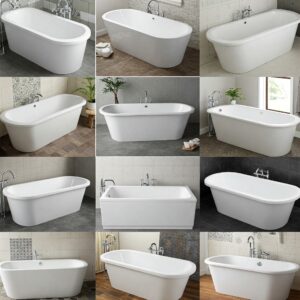
How to Choose the Right Fiberglass Bathtub
Selecting the perfect fiberglass bathtub involves considering several crucial factors that will affect both your installation process and long-term satisfaction. Let’s explore the key considerations to guide your decision.
Size and Space Considerations
✅ Before falling in love with any particular model, carefully measure your bathroom space:
- Standard tubs typically measure 60″ long by 30-32″ wide
- Depth ranges from 14″ to 20″ for regular models
- Soaking tubs may offer depths of 20″ or more
- Allow for adequate clearance around the tub for maintenance
- Consider doorway dimensions for bringing the tub into the bathroom
Remember to account for any fixtures, vanities, or toilet placements that might affect the available space for your new fiberglass bathtub.
Weight Capacity
While fiberglass bathtubs are lightweight themselves, you must consider their weight capacity when filled with water and occupied:
- Most standard fiberglass tubs can support 300-400 pounds
- Water adds significant weight (approximately 8.3 pounds per gallon)
- A typical filled tub may weigh 500-700 pounds total
- Floor structure must adequately support this weight
- Consider reinforcement for second-floor installations
Higher-quality fiberglass tubs often feature reinforced bottoms that provide better weight distribution and structural integrity.
Design and Aesthetics
Your bathtub makes a significant visual impact in your bathroom, so consider how it will complement your overall design:
- Color options (white remains most popular, but alternatives exist)
- Shape and profile (curved or straight lines)
- Integrated features (shelving, armrests, etc.)
- Visible or concealed plumbing fixtures
- Compatibility with existing bathroom elements
Many manufacturers offer coordinating accessories and fixtures that can create a cohesive look throughout your bathroom space.
Additional Features to Consider
Modern fiberglass bathtubs may include various convenience and luxury features worth considering:
- Non-slip textured bottoms for safety
- Molded seating or lumbar support
- Whirlpool jets or air bubbles for therapeutic benefits
- Quick-drain technology
- Insulation options for better heat retention
- Overflow drains and integrated handles
- Pre-installed plumbing access panels
These additions typically increase the price but can significantly enhance your bathing experience and the tub’s functionality.
Budget Considerations
Finally, establish a realistic budget that accounts for:
- The tub itself ($200-$800 for standard models, $800-$2,500+ for luxury options)
- Installation costs if hiring professionals
- Any necessary plumbing modifications
- Surround materials (tile, panels, etc.)
- Fixtures and hardware
- Long-term maintenance supplies
Remember that while fiberglass represents one of the more affordable bathtub materials, there’s still significant price variation based on quality, features, and brand reputation.
Fiberglass Bathtub Installation Guide
Installing a fiberglass bathtub can be approached as either a DIY project for those with moderate home improvement skills or as a professional installation. Here’s a comprehensive overview of the process to help you understand what’s involved.
DIY Installation Overview
✅ If you’re considering installing your fiberglass bathtub yourself, here’s what the process typically entails:
Tools and Materials Needed:
- Level
- Tape measure
- Pencil
- Drill
- Screwdriver
- Caulk gun
- Plumber’s tape
- Adjustable wrench
- Utility knife
- Safety glasses and gloves
Materials Required:
- Silicone caulk
- Mortar mix (or manufacturer-recommended setting material)
- Plumbing connections
- Drain assembly
- Shims
- Screws
- Wall surround materials (if applicable)
Basic Installation Steps:
- Preparation: Remove the old tub (if applicable) and prepare the subfloor by cleaning and checking for damage.
- Plumbing Work: Install or modify drain and supply lines as needed before placing the tub.
- Test Fit: Place the tub in position without securing it to check alignment with walls and plumbing.
- Support Base: Apply a mortar bed or manufacturer-recommended support material to prevent flexing.
- Secure the Tub: Once properly positioned, secure the tub according to the manufacturer’s instructions (typically through flanges along the wall sides).
- Connect Plumbing: Attach drain assembly and overflow connections.
- Seal Edges: Apply silicone caulk around all edges where the tub meets walls.
- Finishing: Install surrounds, fixtures, and any finishing elements.
❌ Common DIY Installation Mistakes to Avoid:
- Failing to properly level the tub
- Inadequate support underneath causing flexing
- Improper sealing leading to water damage
- Damaging the fiberglass surface during installation
- Overlooking local plumbing codes
When to Hire a Professional
While DIY installation is possible, certain situations warrant professional installation:
✅ Consider professional installation if:
- You lack experience with plumbing work
- Significant modifications to existing plumbing are needed
- Structural issues need addressing
- Local building codes require licensed installation
- The manufacturer’s warranty requires professional installation
- You’re installing a complex whirlpool or specialized tub
Professional installation typically costs between $500-$1,500 depending on complexity, location, and any additional work required.
Installation Tips for Longevity
Whether installing yourself or hiring professionals, these tips will help ensure your fiberglass bathtub performs well for years to come:
- Always follow manufacturer-specific instructions, which may vary from general guidelines
- Use manufacturer-recommended materials for support and sealing
- Ensure the tub is perfectly level before final installation
- Allow adequate drying/curing time before using the tub
- Consider extra insulation around the tub to improve heat retention
- Install access panels if not already integrated for future maintenance
- Verify that all connections are watertight before finishing walls
Proper installation is crucial for preventing common issues like flexing, creaking, or water damage that could shorten your tub’s lifespan.
Maintenance and Care for Fiberglass Bathtubs
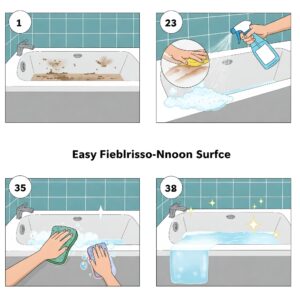
Proper maintenance is essential for maximizing the lifespan and appearance of your fiberglass bathtub. Following these guidelines will help keep your tub looking new for years to come.
Daily and Weekly Cleaning Routines
✅ Establishing regular cleaning habits is the best defense against staining and deterioration:
After Each Use:
- Rinse the tub thoroughly with warm water
- Wipe down with a soft cloth or squeegee to remove water droplets
- Leave the bathroom door or window open to reduce humidity
Weekly Cleaning:
- Use a non-abrasive bathroom cleaner specifically formulated for fiberglass
- Apply with a soft sponge or microfiber cloth
- Pay special attention to areas around drains and faucets
- Thoroughly rinse after cleaning to remove all product residue
Recommended Cleaning Products
The right cleaning products will effectively clean without damaging the fiberglass surface:
Best Options:
- Soft Scrub Non-Bleach Cleanser
- Method Tub & Tile Bathroom Cleaner
- Seventh Generation Tub & Tile Cleaner
- White vinegar and water solution (1:1 ratio)
- Baking soda paste for stubborn stains
Products to Avoid:
❌ Abrasive powders or pads (like steel wool)
❌ Bleach-based cleaners
❌ Harsh chemical cleaners
❌ Products containing acetone
❌ Ammonia-based cleaners
These harsh products can damage the gel coat surface, leading to a dull finish and potential cracking over time.
Dealing with Common Issues
Even with proper care, you may occasionally face these common fiberglass bathtub issues:
Stain Removal
For stubborn stains:
- Create a paste using baking soda and water
- Apply to the stained area and let sit for 15-20 minutes
- Gently scrub with a soft cloth
- Rinse thoroughly
- For persistent stains, try a specifically formulated fiberglass stain remover like Gel-Gloss RV Fiberglass Stain Remover
Scratch Repair
Minor scratches can often be addressed with:
- Fiberglass repair kits available at hardware stores
- Fine-grit wet sandpaper (1500 grit or higher)
- Automotive polishing compound
- Apply in sequence with gentle pressure, following product instructions
Preventing and Addressing Yellowing
Yellowing can occur over time due to:
- Exposure to hard water minerals
- Use of harsh chemicals
- Natural aging of the material
To combat yellowing:
- Try a mixture of cream of tartar and hydrogen peroxide
- Apply commercially available fiberglass restorers like Poli Glow Fiberglass Restorer
- For severe cases, professional refinishing may be necessary
Long-term Maintenance Strategy
To maximize the lifespan of your fiberglass bathtub:
✅ Consider these periodic maintenance tasks:
- Apply a marine-grade fiberglass polish every 6-12 months
- Check and reseal caulking around edges annually
- Inspect for any cracks or damage during deep cleaning sessions
- Address any issues immediately before they worsen
- Consider professional deep cleaning every few years for stubborn buildup
With proper care, your fiberglass bathtub should provide 10-15 years of reliable service before significant issues develop.
→ Protect Your Investment with Premium Care Products! 🧴
🧽 Keep your fiberglass bathtub looking pristine with professional-grade cleaning and maintenance products. Click on any highlighted product to explore solutions that will extend the life and beauty of your tub. A small investment in proper care tools now will save you thousands in premature replacement costs!
Comparing Fiberglass to Other Bathtub Materials
To make a truly informed decision, it’s helpful to understand how fiberglass bathtubs compare to other popular materials available on the market.
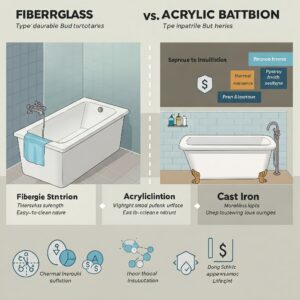
Fiberglass vs. Acrylic
While these materials are often confused, they have distinct differences:
| Feature | Fiberglass Bathtub | Acrylic Bathtub |
|---|---|---|
| Construction | Layers of fiberglass with gel coating | Vacuum-formed acrylic sheet reinforced with fiberglass |
| Cost | $200-$800 | $500-$1,200+ |
| Durability | Good, but more prone to cracking | Better resistance to cracking and scratching |
| Weight | Very lightweight | Lightweight, but slightly heavier than fiberglass |
| Heat Retention | Moderate | Good |
| Color Longevity | May fade or yellow over time | Better color retention |
| Repair Ease | Moderately difficult | Relatively easy |
| Typical Lifespan | 10-15 years | 15-30 years |
Acrylic generally represents a step up in quality and longevity but comes with a higher price tag.
Fiberglass vs. Cast Iron
These materials represent opposite ends of the spectrum in many ways:
| Feature | Fiberglass Bathtub | Cast Iron Bathtub |
|---|---|---|
| Construction | Layered fiberglass with gel coat | Molded iron with porcelain enamel coating |
| Cost | $200-$800 | $800-$3,000+ |
| Weight | 50-100 lbs | 300-500 lbs |
| Installation | DIY-friendly | Often requires professional installation and floor reinforcement |
| Heat Retention | Moderate | Excellent |
| Durability | Good | Exceptional (can last 50+ years) |
| Noise | May creak or flex | Silent and solid |
| Maintenance | Requires careful cleaning | Easy to clean, very durable surface |
Cast iron offers superior longevity and performance but at significantly higher cost and installation complexity.
Fiberglass vs. Solid Surface (Cultured Marble, Engineered Stone)
Solid surface materials offer premium aesthetics:
| Feature | Fiberglass Bathtub | Solid Surface Bathtub |
|---|---|---|
| Construction | Layered fiberglass with gel coat | Mineral compounds with polymer binders |
| Cost | $200-$800 | $1,500-$4,000+ |
| Appearance | Good, but less luxurious | Premium, stone-like appearance |
| Customization | Limited color options | Extensive design and color options |
| Weight | Very lightweight | Moderately heavy |
| Durability | Good | Excellent |
| Repairs | More difficult | Can be sanded and repaired easily |
| Heat Retention | Moderate | Good to excellent |
Solid surface materials offer luxury aesthetics but at premium prices that may be hard to justify for budget-conscious renovations.
Fiberglass vs. Steel
Steel represents another economical option:
| Feature | Fiberglass Bathtub | Steel Bathtub |
|---|---|---|
| Construction | Layered fiberglass with gel coat | Stamped steel with porcelain enamel coating |
| Cost | $200-$800 | $300-$700 |
| Weight | 50-100 lbs | 75-100 lbs |
| Heat Retention | Moderate | Poor (cools quickly) |
| Noise | Some flexing possible | Can be noisy (water sounds) |
| Durability | Vulnerable to cracking | Chip-resistant but can dent |
| Feel | Warmer to touch | Cold to initial touch |
| Maintenance | Requires careful cleaning | Easy to clean but can chip |
Steel offers comparable pricing but generally inferior performance compared to fiberglass in most categories.
Making the Right Material Choice
When choosing between these materials, consider:
- Budget constraints – Fiberglass offers excellent value for limited budgets
- Expected lifespan – If longevity is paramount, cast iron or acrylic may justify higher costs
- Installation circumstances – Weight limitations may rule out heavier materials
- Aesthetics – Higher-end materials offer more premium appearances
- Maintenance willingness – Some materials require more diligent care than others
For many homeowners, fiberglass bathtubs represent the sweet spot of affordability, reasonable performance, and ease of installation, particularly for standard bathroom configurations.
Fiberglass Bathtub FAQs
Throughout our research, we’ve encountered several common questions about fiberglass bathtubs. Here are expert answers to these frequently asked questions:
How long do fiberglass bathtubs typically last?
✅ With proper care and maintenance, you can expect a fiberglass bathtub to last between 10-15 years. Factors affecting longevity include:
- Quality of the initial construction
- Frequency of use
- Cleaning routines
- Water quality (hard water can accelerate wear)
- Whether the tub experiences flexing due to inadequate support
Higher-quality fiberglass tubs with proper reinforcement and professional installation may extend beyond this typical lifespan.
Can fiberglass bathtubs be refinished?
Yes, fiberglass bathtubs can be refinished, which can extend their life by 5-10 years. The refinishing process typically involves:
- Thorough cleaning and preparation of the surface
- Repairing any cracks or damage
- Applying a new gel coat or specialized refinishing product
- Sealing and finishing the surface
Professional refinishing typically costs $300-$600, making it a cost-effective alternative to full replacement when the tub structure remains sound.
Do fiberglass bathtubs crack easily?
Fiberglass bathtubs are more susceptible to cracking than some other materials, particularly if:
- The tub flexes due to inadequate support underneath
- Heavy objects are dropped into the tub
- The home settles, causing structural shifts
- Harsh cleaning chemicals damage the surface over time
Preventing cracks involves proper installation with adequate support and careful use and maintenance.
How do I prevent my fiberglass tub from flexing?
Flexing is a common complaint with fiberglass tubs but can be minimized by:
- Installing on a mortar bed or manufacturer-recommended support material
- Ensuring the subfloor is completely level before installation
- Using proper bracing techniques as specified by the manufacturer
- Selecting a higher-quality, reinforced fiberglass tub
- Following weight capacity guidelines
Some minor flexing is normal with fiberglass tubs, but excessive movement indicates installation problems that should be addressed.
What causes yellowing in fiberglass bathtubs?
Yellowing in fiberglass bathtubs typically results from:
- Exposure to UV light over time
- Mineral deposits from hard water
- Use of harsh cleaning chemicals
- Natural aging of the gel coat
- Cigarette smoke or other environmental factors
Regular cleaning and avoiding harsh chemicals can slow the yellowing process, while specialized fiberglass restorers can help address existing discoloration.
Can I install a shower in a fiberglass bathtub?
✅ Yes, many fiberglass bathtubs are designed to accommodate shower installations. Consider these factors:
- Ensure the tub has sufficient vertical wall flanges for water containment
- Install proper waterproofing behind any surround materials
- Use quality shower doors or curtains to prevent water escape
- Select surrounds specifically designed for tub/shower combinations
- Verify that the tub design supports standing use (textured bottom, etc.)
Many manufacturers offer complete tub/shower units that integrate all necessary features for dual-purpose use.
Are fiberglass tubs suitable for elderly or mobility-impaired users?
Standard fiberglass tubs may present challenges for users with mobility impairments due to:
- High step-over heights (typically 14-18 inches)
- Slippery surfaces when wet
- Lack of built-in support features
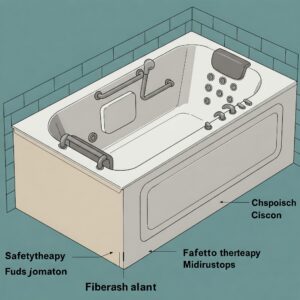
However, specialized fiberglass walk-in tubs are available with features like:
- Low entry thresholds
- Built-in seating
- Textured non-slip floors
- Grab bars and support handles
- Therapeutic jets for pain relief
These specialized models cost significantly more ($2,000-$7,000) but offer important safety and accessibility benefits.
Conclusion
Throughout this comprehensive guide, we’ve explored every aspect of fiberglass bathtubs – from their construction and varieties to installation, maintenance, and how they compare to alternative materials. As we conclude, let’s summarize the key insights to help you make an informed decision.
Key Takeaways
✅ Fiberglass bathtubs offer several distinct advantages:
- Affordability: They represent one of the most budget-friendly bathtub options available
- Lightweight construction: Makes installation easier, especially in second-floor bathrooms
- Design versatility: Available in numerous configurations to suit various bathroom layouts
- Reasonable performance: Provides adequate durability and functionality for most households
- DIY-friendly installation: Can be installed without professional help for those with basic skills
However, these benefits come with certain trade-offs:
- Shorter lifespan compared to premium materials like cast iron or acrylic
- More susceptible to scratching, staining, and potential flexing
- Requires more careful maintenance to prevent damage and discoloration
- May not offer the premium aesthetics of higher-end materials
For many homeowners, particularly those working within budget constraints or handling their own installations, these trade-offs are acceptable given the significant cost savings and practical benefits.
Making Your Final Decision
When deciding if a fiberglass bathtub is right for your home, consider:
- Your budget: Fiberglass offers excellent value for cost-conscious renovations
- Installation circumstances: The lightweight nature makes it ideal for DIY or challenging access situations
- Expected usage: For primary bathrooms with heavy daily use, more durable materials might be worth the investment
- Aesthetic goals: If luxury appearance is paramount, other materials may better achieve your vision
- Maintenance willingness: Honest assessment of your cleaning and maintenance habits should inform your choice
Remember that within the fiberglass category, significant quality variations exist. Investing in a higher-quality fiberglass tub from a reputable manufacturer often provides better longevity and performance than the absolute cheapest options.
Final Recommendations
Based on our extensive research and expert insights, we recommend:
- For budget renovations: Proflo PFS6042LSK Alcove Soaking Bathtub
- For best overall value: American Standard 2461.002.020 Cambridge Bathtub
- For luxury features: Kohler K-1124-RA-0 Archer Bubble Massage Bathtub
- For small spaces: Kohler K-1490-X-0 Greek 4-Foot Bath
→ Elevate Your Bathroom Today with the Perfect Fiberglass Bathtub! 🚿
🏠 Ready to transform your bathroom experience? The right fiberglass bathtub combines affordability, functionality, and style to create your perfect personal oasis. Click any highlighted product to check current pricing and start your bathroom renovation journey today!
More FAQs:
❓ How long does a fiberglass bathtub typically last?
✅ A fiberglass bathtub usually lasts between 10 to 15 years with proper care. Regular cleaning and avoiding abrasive products can help extend its lifespan…
❓ Is a fiberglass bathtub easy to repair?
✅ Yes, fiberglass tubs are relatively easy to repair. Small cracks or chips can be fixed using DIY repair kits available at most hardware stores…
❓ Can a fiberglass bathtub be refinished?
✅ Fiberglass tubs can be refinished to restore shine or change color. The process involves sanding, applying primer, and coating with a durable finish…
❓ Are fiberglass bathtubs prone to cracking?
✅ Fiberglass bathtubs can develop hairline cracks over time, especially with heavy use or poor installation. Reinforcing the base helps reduce this risk…
❓ What’s the weight of a standard fiberglass bathtub?
✅ A standard fiberglass bathtub typically weighs between 70 to 100 pounds, making it lightweight and easier to install compared to cast iron options…
Recommended for You:
- Bathtub Tile Surround: 15 Stunning Ideas to Transform Your Bathroom in 2025
- Walk Bathtub Shower Combo: 7 Best Options For Accessible Bathing in 2025
- Green Bathtub: 15 Stunning Options For An Eco-Friendly Bathroom Makeover in 2025
Disclaimer: This article contains affiliate links. If you purchase products through these links, we may earn a small commission at no additional cost to you.
