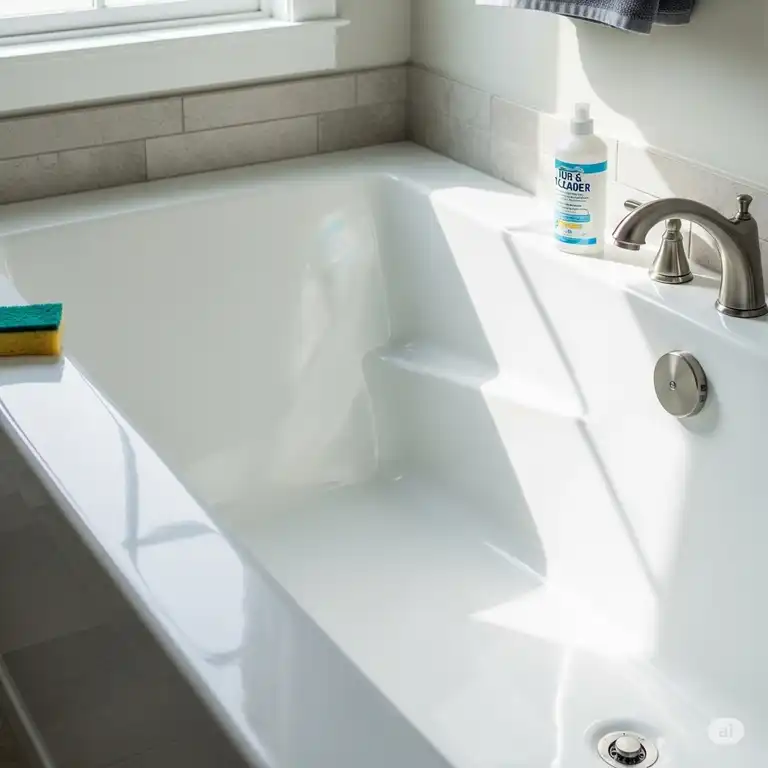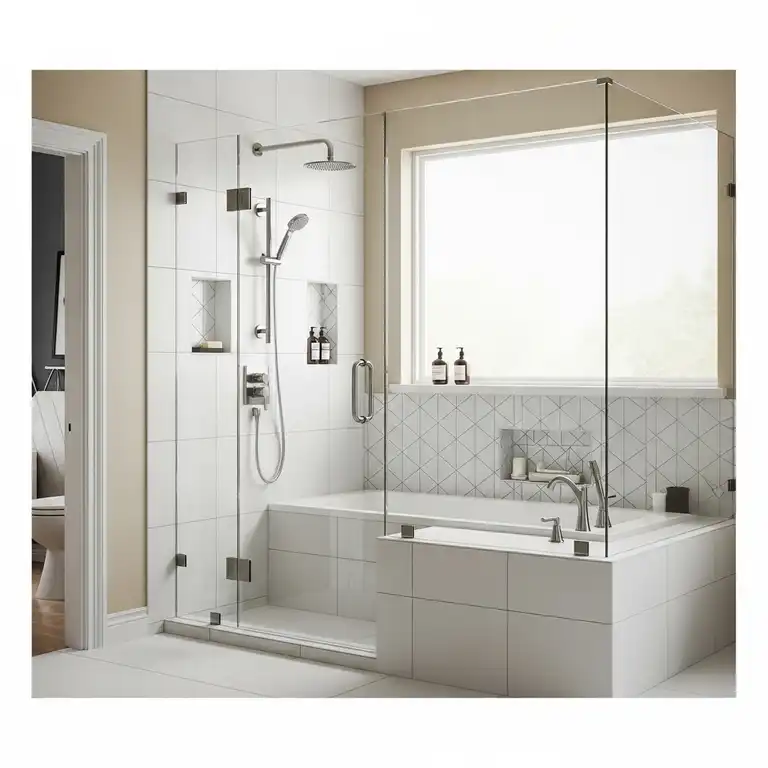
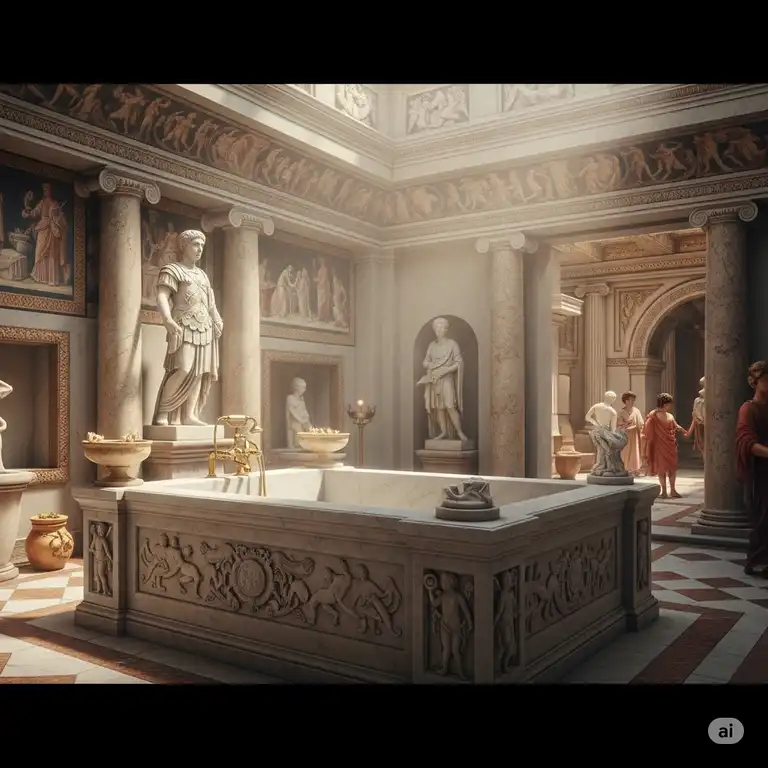
When you’re searching for the perfect roman bathtubs to transform your bathroom into a luxurious spa retreat, you’ll discover a world where ancient elegance meets modern engineering. These magnificent bathing vessels represent more than just functional fixtures—they embody thousands of years of bathing culture that originated in the great Roman Empire. Today’s roman bathtubs blend classical aesthetics with cutting-edge materials and technology, offering homeowners an opportunity to experience the opulence that once graced imperial palaces and public thermae.
✨Was this helpful? Spread the word! 🚀
Roman bathtubs have experienced a remarkable renaissance in modern bathroom design, with manufacturers creating stunning interpretations that honor the classical tradition while incorporating contemporary conveniences. Whether you’re drawn to the sculptural beauty of natural stone, the practical elegance of acrylic composites, or the timeless appeal of cast materials, today’s market offers roman bathtubs that cater to every taste and budget.
Quick Comparison Table: Roman Bathtubs vs. Alternatives
| Feature | Roman Bathtubs | Modern Soaking Tubs | Standard Alcove Tubs | Clawfoot Tubs |
|---|---|---|---|---|
| Aesthetic Appeal | Classical elegance | Contemporary clean lines | Basic functionality | Victorian charm |
| Installation Complexity | Moderate to High | Moderate | Low | Moderate |
| Material Options | Stone, Acrylic, Composite | Acrylic, Fiberglass | Acrylic, Steel | Cast Iron, Acrylic |
| Water Capacity | 60-120 gallons | 50-80 gallons | 40-60 gallons | 45-75 gallons |
| Price Range | $800-$35,000+ | $400-$8,000 | $200-$1,500 | $600-$4,000 |
| Space Requirements | Large footprint | Medium to Large | Compact | Medium |
| Historical Significance | Ancient Roman heritage | Modern minimalism | Utilitarian design | 19th century elegance |

Top 7 Roman Bathtubs: Expert Analysis
1. Aquatica Olympian by Savio Roman Freestanding Solid Surface Bathtub
This premium freestanding tub represents the pinnacle of modern roman bathtub design, crafted from Aquatica’s proprietary AquateX solid surface composite. The Aquatica Olympian features classically ribbed rim details and majestic plinth styling that directly references ancient Roman stonework bathtubs. With its 62-inch internal length and sculptured elegance, this model commands attention as a centerpiece in any luxury bathroom.
Specifications:
- Material: AquateX solid surface composite
- Dimensions: 67″ L x 32″ W x 24″ H
- Internal Length: 62 inches
- Water Capacity: Approximately 80 gallons
- Weight: 220 pounds (empty)
- Warranty: 25-year limited warranty
- Model Number: 627722004347
Key Features:
✅ Non-porous hypoallergenic surface
✅ Excellent heat retention
✅ Integrated overflow and pop-up drain
✅ Consistent color throughout thickness
2. Stone Forest Roman Bathtub (Model C42-68LB)
For those seeking authentic luxury, the Stone Forest Roman Bathtub delivers unparalleled elegance carved from single blocks of natural marble. Available in Luna Bianco, Papiro Cream, and Carrara marble options, these custom-made masterpieces require 12-16 weeks for completion but represent the ultimate expression of roman bathtub craftsmanship.
Specifications:
- Material: Natural marble (Luna Bianco, Papiro Cream, Carrara)
- Length: 68 inches
- Custom order pricing: $22,250-$25,000
- Weight: Approximately 2,000+ pounds
- Installation: Professional required
- Drain Recommendation: Jaclo Model #530-75
3. AKDY TF0021 Roman Tub Faucet System
While technically a faucet rather than a tub, the AKDY TF0021 represents essential roman bathtub accessories that complete the classical bathing experience. This freestanding floor-mount tub filler features refined chrome finishing with traditional curved neck design, making it perfect for pairing with freestanding roman bathtubs.
Specifications:
- Height: 47 inches
- Material: Solid brass construction
- Flow Rate: 4.1 GPM
- Finish: Polished chrome
- Installation: Floor mount freestanding
- Includes: Hand shower with 60-inch flexible hose
- Price Range: $199-$335
4. Vanity Art VA6815-L Roman Style Acrylic Bathtub
The Vanity Art VA6815-L offers accessible luxury with its contemporary interpretation of classical roman bathtub design. Constructed from high-quality acrylic reinforced with fiberglass, this model provides excellent durability while maintaining the gentle sloping lines that follow natural body curves for exceptional comfort.
Specifications:
- Dimensions: 67″ L x 32″ W
- Material: Premium acrylic with fiberglass reinforcement
- Surface: High-gloss white finish
- Features: Stain and scratch-resistant properties
- Installation: Freestanding with included hardware
- UPC Certified: Yes
5. WOODBRIDGE B0013 Contemporary Roman Bathtub
The WOODBRIDGE B0013 combines modern manufacturing with classical proportions, featuring premium LUCITE acrylic construction reinforced with ASHLAND resin and fiberglass. This model incorporates non-slip design meeting ASTM standards while providing the visual appeal of traditional roman bathtubs.
Specifications:
- Exterior Dimensions: 59″ L x 31.5″ W x 22.875″ H
- Effective Capacity: 55 gallons
- Material: 100% high-gloss white LUCITE acrylic
- Load Capacity: 1,000 pounds
- Certification: CSA B45.5-17/IAPMO Z124-2017 compliant
- Warranty: 1-year limited warranty
6. Adecab 59-Inch Roman Style Soaking Tub
The Adecab roman bathtub provides excellent value with professional-grade construction featuring acrylic thickened material reinforced with resin and fiberglass. This model offers substantial soaking depth with ergonomic design that cradles bathers in comfort reminiscent of ancient Roman thermae.
Specifications:
- Dimensions: 59″ x 31.5″ x 23.625″
- Water Depth: 16.8 inches
- Capacity: 76.6 gallons
- Load Capacity: 820 pounds
- Weight: 100 pounds (empty)
- Features: Steel frame with self-leveling feet
7. AKDY TF0042 Two-Handle Roman Tub Filler
The AKDY TF0042 freestanding tub filler complements any roman bathtub installation with its elegant matte black finish and traditional two-lever design. This model features brass and stainless steel construction ensuring lasting durability while providing precise temperature and flow control.
Specifications:
- Height: 45.5 inches
- Height to Spout: 40.75 inches
- Material: Brass and stainless steel
- Finish: Matte black
- Hand Shower: 44-nozzle concentrated flow design
- Hose Length: 60 inches flexible
- Installation: Floor mount freestanding
💬 Just one click – help others make better buying decisions too!😊
✨ Don’t Miss These Exclusive Deals! 🛁
Transform your bathroom into a Roman spa sanctuary with these carefully selected roman bathtubs and accessories. Click on any highlighted product to check current pricing and availability. These luxury bathing solutions will help you create the ultimate relaxation retreat your family deserves! 🌟
Comprehensive Feature Comparison
| Model | Material | Capacity | Dimensions | Price Range | Best For |
|---|---|---|---|---|---|
| Aquatica Olympian | AquateX Composite | 80 gal | 67″×32″×24″ | $10,000-$13,000 | Luxury installations |
| Stone Forest Roman | Natural Marble | 90+ gal | 68″×36″×26″ | $22,000-$25,000 | Ultra-premium projects |
| Vanity Art VA6815-L | Acrylic/Fiberglass | 65 gal | 67″×32″×23″ | $800-$1,200 | Modern roman style |
| WOODBRIDGE B0013 | LUCITE Acrylic | 55 gal | 59″×31.5″×23″ | $600-$900 | Contemporary design |
| Adecab 59-Inch | Acrylic/Resin | 76.6 gal | 59″×31.5″×24″ | $500-$800 | Budget-conscious buyers |
Historical Origins and Cultural Significance
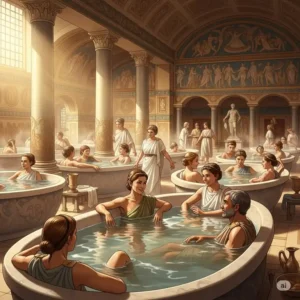
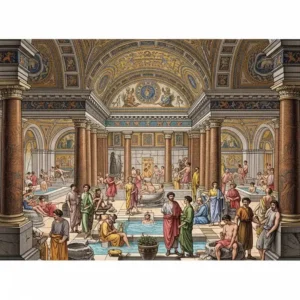
The tradition of roman bathtubs traces back over 2,000 years to the sophisticated bathing culture of the Roman Empire. Ancient Roman bathing was not merely about personal hygiene—it was a cornerstone of social and recreational activity that spread throughout the Mediterranean and into regions of Europe and North Africa with the expansion of the Roman Empire. The Romans constructed elaborate bathing complexes called thermae, which served as community centers combining functions we might recognize today as gyms, spas, libraries, and social clubs.
Roman baths included a wide diversity of rooms with different temperatures, as well as swimming pools and places to read, relax, and socialise, with their large covered spaces serving as important drivers in architectural innovation, notably in the use of domes. The typical bathing sequence involved moving through rooms of varying temperatures: the frigidarium (cold bath), tepidarium (warm bath), and caldarium (hot bath), each serving specific therapeutic and social purposes.
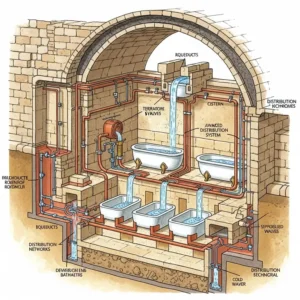
The engineering achievements behind ancient roman bathtubs were remarkable for their time. Romans used sophisticated heating systems such as under-floor (hypocaust) heating fuelled by wood-burning furnaces, where huge fires sent warm air under raised floors standing on narrow pillars of solid stone, hollow cylinders, or polygonal or circular bricks. This innovative approach to climate control influenced bathing design for centuries and continues to inspire modern roman bathtub installations.
Archaeological Evidence and Modern Inspiration
Archaeological excavations have revealed the incredible scope of Roman bathing culture. A catalogue of buildings in Rome from 354 AD documented 952 baths of varying sizes in the city, demonstrating how integral bathing was to Roman society. The largest Roman baths, such as the Baths of Diocletian, could accommodate up to 3,000 bathers simultaneously, featuring multiple pools, exercise areas, libraries, and food service facilities.
Today’s roman bathtubs draw inspiration from these archaeological discoveries, incorporating design elements like ribbed rims, classical proportions, and natural materials that echo the grandeur of ancient Roman bathing facilities. Modern manufacturers study historical artifacts and architectural remains to create authentic reproductions that honor the classical tradition while meeting contemporary safety and comfort standards.
Industry-Specific Applications
Luxury Residential Projects
High-end residential construction increasingly features roman bathtubs as focal points in master bathroom suites. Interior designers specify these elegant fixtures for clients seeking to create spa-like experiences within their homes. The substantial presence of a well-designed roman bathtub can dramatically increase property values, particularly in luxury markets where unique architectural features command premium prices.
Custom home builders often incorporate roman bathtubs into architectural plans from the earliest design phases, ensuring proper structural support and plumbing infrastructure. The weight of natural stone models like the Stone Forest Roman bathtub requires reinforced flooring systems, while composite materials like the Aquatica Olympian offer similar visual impact with reduced structural demands.
Commercial Spa and Hospitality Applications
Luxury hotels, destination spas, and wellness centers utilize roman bathtubs to create memorable guest experiences that justify premium pricing. The classical aesthetic appeals to international clientele familiar with European spa traditions, while the substantial soaking capacity accommodates extended therapeutic bathing sessions.
Commercial installations typically specify models with enhanced durability features and simplified maintenance requirements. The non-porous surfaces of composite roman bathtubs resist staining and bacterial growth, crucial considerations for facilities serving multiple users daily. Additionally, commercial projects often require custom sizing to accommodate specific architectural constraints while maintaining the essential proportions that define roman bathtub aesthetics.
Healthcare and Therapeutic Facilities
Physical therapy centers and rehabilitation facilities incorporate roman bathtub designs for hydrotherapy applications. The deep soaking capacity and ergonomic contours provide therapeutic benefits for patients recovering from injuries or managing chronic conditions. The classical design creates a more welcoming environment compared to clinical-looking medical equipment, encouraging patient compliance with treatment protocols.
Therapeutic installations require specific attention to accessibility features, with many facilities adding grab bars, transfer benches, and non-slip surfaces while maintaining the aesthetic integrity of the roman bathtub design. The stable, substantial construction of quality roman bathtubs provides security for users with mobility limitations.
Advanced Technical Analysis
Material Science and Engineering
Modern roman bathtubs employ sophisticated materials engineered for specific performance characteristics. The AquateX composite used in the Aquatica Olympian represents advanced polymer chemistry, combining acrylic resins with mineral fillers to achieve stone-like thermal properties while maintaining workability during manufacturing.
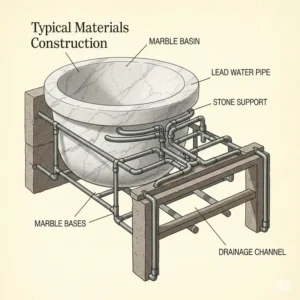
Natural stone roman bathtubs like those from Stone Forest require specialized quarrying and carving techniques. Each piece begins as a monolithic block weighing several tons, with skilled artisans using both traditional hand tools and modern CNC equipment to achieve the precise curves and proportions that define classical roman bathtub design. The marble varieties—Luna Bianco, Papiro Cream, and Carrara—each possess distinct geological characteristics affecting thermal conductivity, porosity, and long-term durability.
Acrylic roman bathtubs utilize vacuum-forming or casting processes to achieve complex curves and integrated features. The reinforcement layers—typically fiberglass with polyester or vinyl ester resins—provide structural strength while maintaining the smooth interior surfaces essential for comfortable bathing. Advanced manufacturing techniques allow for consistent wall thickness and integrated overflow systems without compromising aesthetic appeal.
Thermal Performance and Heat Retention
The thermal characteristics of roman bathtubs significantly impact user experience and energy efficiency. Natural stone materials excel at heat retention due to their high thermal mass, allowing bath water to maintain comfortable temperatures for extended periods. A properly designed stone roman bathtub can keep water warm for 45-60 minutes longer than thin-walled alternatives.
Composite materials like those used in the Aquatica Olympian incorporate thermal barrier properties through careful material selection and wall thickness optimization. The non-conductive properties of the AquateX composite reduce heat loss through the tub walls while providing a warm-to-the-touch surface that enhances comfort during entry and exit.
Modern roman bathtub designs may incorporate additional thermal enhancement features such as insulation jackets, thermal blankets, or even integrated heating elements. These technologies extend the classical bathing experience while reducing energy consumption compared to repeatedly adding hot water to maintain temperature.
Structural Engineering and Load Distribution
The substantial size and water capacity of roman bathtubs require careful structural analysis during installation planning. A typical 70-gallon roman bathtub, when filled with water and occupied by bathers, can exceed 1,000 pounds total weight. This load must be distributed across floor joists and foundations designed to handle such concentrated loads safely.
Professional installers utilize load distribution platforms, reinforcement beams, and sometimes additional foundation supports to ensure long-term structural integrity. The specific requirements depend on the tub material, size, and the existing building structure. Custom installations may require consultation with structural engineers to verify load capacity and recommend appropriate reinforcement strategies.
The weight distribution characteristics of different roman bathtub materials affect installation requirements significantly. Natural stone models concentrate weight at specific points based on the tub’s sculptural form, while composite materials typically distribute weight more evenly due to consistent wall thickness and internal reinforcement structures.
Comprehensive Setup and Installation Guide
Pre-Installation Planning and Preparation
Successful roman bathtub installation begins months before delivery with comprehensive planning addressing structural, mechanical, and aesthetic considerations. The installation team should include qualified plumbers, electricians, and potentially structural engineers depending on the tub specifications and building characteristics.
Site preparation involves verifying floor load capacity, particularly for upper-level installations. Standard residential floor joists may require reinforcement to support the combined weight of the tub, water, and users. Professional engineers can calculate specific load requirements and recommend appropriate structural modifications.
Plumbing rough-in work must accommodate the specific drain locations and faucet requirements of the chosen roman bathtub model. Freestanding models typically require floor-mounted supply lines, while built-in designs may need deck-mounted or wall-mounted plumbing connections. The substantial water volumes involved may require upgraded supply lines to ensure adequate flow rates for reasonable fill times.
Mechanical Installation Procedures
The physical installation of roman bathtubs varies significantly based on material and design. Natural stone models like the Stone Forest Roman bathtub require specialized rigging equipment and experienced crews familiar with handling fragile, heavy objects. Professional stone installers use pneumatic lifts, protective padding, and careful positioning techniques to avoid damage during placement.
Composite roman bathtubs offer easier handling but still require attention to support and alignment. The installation sequence typically involves:
Foundation Preparation: Installing reinforcement platforms or distribution beams as specified by structural analysis. This may include additional blocking between floor joists or installation of support pedestals.
Plumbing Connections: Connecting supply lines, drain assemblies, and overflow systems according to manufacturer specifications. Quality installations include shutoff valves for future service access and expansion joints to accommodate thermal movement.
Electrical Systems: Installing GFCI-protected circuits for accessories like heated surfaces, LED lighting, or circulation pumps. All electrical work must comply with local codes and manufacturer requirements.
Final Positioning and Leveling: Precisely positioning the tub and adjusting leveling feet or shims to ensure proper water flow and structural stability. This step requires careful measurement and adjustment to achieve optimal performance.
Testing and Quality Assurance
Professional installations include comprehensive testing to verify proper function and identify potential issues before final completion. The testing protocol should include:
Leak Testing: Filling the tub and monitoring for leaks at all connections, particularly around the drain assembly and overflow system. This test should run for at least 24 hours to identify slow leaks that might not be immediately apparent.
Flow Rate Verification: Testing fill and drain times to ensure adequate performance. Most roman bathtubs should fill within 10-15 minutes and drain completely within 5-7 minutes with proper plumbing sizing.
Structural Assessment: Checking for any movement, settling, or stress signs in the support structure when the tub is fully loaded. Professional installers monitor for floor deflection, wall movement, or unusual sounds that might indicate structural issues.
Surface Protection: Applying appropriate protective coatings or sealers as recommended by the manufacturer. Natural stone roman bathtubs typically require specialized sealers to prevent staining and maintain appearance over time.
Maintenance and Longevity Strategies
Daily and Weekly Maintenance Protocols
Proper maintenance significantly extends the lifespan of roman bathtubs while preserving their aesthetic appeal and functional performance. Daily care routines should focus on preventing buildup of soap residue, mineral deposits, and bacterial growth that can damage surfaces or affect hygiene.
For acrylic and composite roman bathtubs like the Aquatica Olympian or Vanity Art models, daily maintenance involves gentle cleaning with mild, non-abrasive cleansers. Avoid bleach-based products or ammonia cleaners that can damage acrylic surfaces over time. A simple solution of warm water and dish soap effectively removes body oils and soap residue without compromising surface integrity.
Natural stone roman bathtubs require specialized care products formulated for specific stone types. Marble surfaces need pH-neutral cleaners to prevent etching from acidic substances. Weekly deep cleaning should include thorough rinsing to remove all cleaner residues that might accumulate and cause discoloration over time.
The substantial water volumes involved in roman bathtub use create unique maintenance challenges. Complete water changes after each use prevent bacterial growth and mineral accumulation, particularly important in areas with hard water. Consider installing water softening systems to reduce mineral content and extend tub life.
Monthly and Quarterly Maintenance Tasks
Monthly maintenance schedules should include detailed inspection of all systems and components associated with the roman bathtub installation. Check drain assemblies for proper function and clear any hair or debris that might restrict flow. Inspect overflow systems to ensure proper operation and clean as needed.
For models with integrated features like jets, pumps, or heating elements, monthly maintenance includes system flushing and component inspection. Follow manufacturer protocols for cleaning and disinfecting these systems to prevent bacterial growth or mineral buildup that could damage expensive components.
Quarterly maintenance should include professional inspection of structural elements, particularly for heavy natural stone installations. Check support structures for signs of settling, movement, or stress that might indicate developing problems. Early detection of structural issues prevents costly damage and ensures user safety.
Sealant and caulk inspection should occur quarterly, with replacement as needed to maintain water-tight seals around the tub perimeter and plumbing connections. Quality sealants typically last 12-24 months in bathroom environments, but roman bathtub installations may experience accelerated wear due to higher usage volumes and temperature cycling.
Long-Term Preservation and Restoration
Quality roman bathtubs can provide decades of service with proper long-term maintenance strategies. Annual professional inspections by qualified technicians identify wear patterns and developing issues before they become major problems. These inspections should include plumbing system evaluation, structural assessment, and surface condition analysis.
Natural stone roman bathtubs may require periodic refinishing to maintain their original appearance. Professional stone restoration services can repair minor damage, remove stains, and apply fresh protective sealers. The frequency of refinishing depends on usage patterns, water quality, and maintenance consistency, typically ranging from 3-7 years for residential installations.
Composite materials like those used in premium roman bathtubs often include warranty coverage for surface defects or structural issues. Understanding warranty terms and maintaining documentation of proper care helps ensure coverage for any manufacturing defects that might develop over time.
Consider upgrading mechanical systems as technology advances. Modern circulation pumps, heating elements, and control systems offer improved efficiency and performance compared to older installations. These upgrades can enhance the bathing experience while reducing operating costs and maintenance requirements.
Comparative Analysis with Alternative Bathing Solutions
Roman Bathtubs vs. Contemporary Soaking Tubs
The distinction between roman bathtubs and modern soaking tubs extends beyond aesthetic differences to encompass fundamental design philosophies and user experiences. Contemporary soaking tubs prioritize minimalist aesthetics and space efficiency, while roman bathtubs emphasize classical proportions and decorative elements that create dramatic focal points in bathroom designs.
Capacity differences significantly impact the bathing experience. Roman bathtubs typically offer 60-120 gallon capacities compared to 40-70 gallons for standard soaking tubs. This additional volume allows for deeper immersion and extended bathing sessions that align with the leisurely, social tradition of Roman bathing culture.
Installation complexity varies considerably between these options. Contemporary soaking tubs often feature standardized dimensions and connection points that simplify installation and reduce costs. Roman bathtubs, particularly natural stone models, require custom planning, structural reinforcement, and specialized installation techniques that increase project complexity and expense.
The thermal performance advantages of roman bathtubs become apparent during extended use. The substantial mass and specialized materials provide superior heat retention, maintaining comfortable water temperatures for 30-60 minutes longer than thin-walled contemporary alternatives. This performance difference justifies the premium pricing for users who prioritize lengthy, relaxing bathing sessions.
Traditional vs. Modern Materials in Roman Bathtub Construction
Historical roman bathtubs utilized locally available materials including marble, travertine, and volcanic stone selected for their durability and thermal properties. Modern interpretations expand material options to include engineered composites, advanced acrylics, and hybrid constructions that combine natural and synthetic components.
Natural stone remains the premium choice for authentic roman bathtub installations, offering unmatched aesthetic appeal and thermal performance. However, modern quarrying and transportation costs make stone models significantly more expensive than historical equivalents. Contemporary stone roman bathtubs can cost 10-20 times more than comparable acrylic models while requiring specialized installation and maintenance.
Advanced composite materials like the AquateX system used in Aquatica products attempt to bridge the gap between natural stone aesthetics and practical considerations. These engineered materials provide stone-like thermal properties and visual appeal while maintaining manageable weight and installation requirements. The consistent quality control possible with manufactured materials eliminates the natural variations that can complicate stone installations.
Acrylic and fiberglass roman bathtubs offer the most accessible entry point into classical bathing experiences. Modern manufacturing techniques create convincing replications of stone textures and classical proportions at fraction of natural stone costs. While lacking the authentic feel and thermal performance of stone, quality acrylic models provide excellent durability and user satisfaction for most residential applications.
Cost-Benefit Analysis Across Price Segments
Budget-conscious roman bathtub options in the $500-$1,200 range, exemplified by models like the Adecab 59-inch or basic WOODBRIDGE units, provide classical styling and functional performance suitable for most residential applications. These entry-level options utilize quality acrylic construction with fiberglass reinforcement, offering good durability and user satisfaction despite their accessible pricing.
Mid-range roman bathtubs priced between $1,200-$5,000 incorporate premium materials, enhanced features, and superior construction quality. The Vanity Art VA6815-L represents this segment well, providing upgraded acrylic formulations, better surface finishes, and more sophisticated design details that justify the price premium over budget alternatives.
Luxury roman bathtub installations exceeding $5,000 enter the realm of premium composites and natural stone materials. The Aquatica Olympian exemplifies high-end composite construction, while Stone Forest models represent ultimate luxury in natural stone craftsmanship. These premium options provide superior thermal performance, unmatched aesthetic appeal, and decades-long durability that can justify their substantial cost for discerning buyers.
The total cost of ownership analysis must consider installation expenses, maintenance requirements, and long-term durability. Budget acrylic models may require replacement within 10-15 years, while premium stone or composite roman bathtubs can provide 30-50 years of service with proper care. This longevity factor significantly impacts the true cost comparison between price segments.
Case Studies and Success Stories
Luxury Residential Installation: Scottsdale Estate
A 2024 custom home project in Scottsdale, Arizona showcases the dramatic impact of properly executed roman bathtub installation. The homeowners selected the Aquatica Olympian for their master bathroom renovation, seeking to create a spa-like retreat that would serve as the centerpiece of their luxury suite.
The installation challenges included second-floor placement requiring structural reinforcement and custom plumbing routing to accommodate the freestanding design. The project team included structural engineers who designed a reinforced platform system distributing the 800-pound total load (tub plus water plus users) across multiple floor joists.
Results exceeded expectations, with the homeowners reporting dramatic improvements in relaxation and stress relief compared to their previous standard bathtub. The 80-gallon capacity allows for full-body immersion, while the superior heat retention maintains comfortable temperatures for 45-minute bathing sessions without additional hot water. Property appraisal following completion indicated a $15,000 increase in home value, providing excellent return on the $12,000 total investment including installation.
Monthly operating costs average $45 for additional hot water and specialized cleaning products, while maintenance requirements remain minimal after 18 months of regular use. The homeowners report the roman bathtub has become their preferred relaxation method, replacing evening wine consumption and reducing prescription sleep aid usage—unexpected health benefits that justify the investment beyond mere luxury considerations.
Commercial Spa Implementation: Napa Valley Resort
A boutique resort in Napa Valley incorporated roman bathtub suites as part of their 2023 wellness facility expansion, targeting affluent guests seeking authentic luxury experiences. The project specified custom Stone Forest models in Carrara marble, creating authentic Roman-inspired spa suites that command $800+ nightly rates.
The installation presented unique challenges including moisture management, accessibility compliance, and maintenance protocols suitable for commercial operations. Each suite required specialized ventilation systems to handle the increased humidity from large-capacity bathing, while accessibility features were discretely integrated to maintain aesthetic integrity.
Guest satisfaction scores increased 23% following the roman bathtub suite introduction, with many visitors specifically requesting these accommodations for future stays. The average guest stay duration increased from 2.1 to 2.8 nights, directly attributable to the enhanced spa offerings. Revenue analysis indicates the roman bathtub investment paid for itself within 14 months through increased bookings and premium pricing.
Maintenance costs proved manageable with proper protocols and staff training. Weekly professional cleaning and monthly deep maintenance preserve the marble surfaces while meeting health department requirements. The resort reports minimal wear or damage after 18 months of heavy commercial use, validating the durability of quality roman bathtub construction.
Healthcare Facility Integration: Rehabilitation Center
A physical therapy clinic in Seattle integrated therapeutic roman bathtub facilities into their hydrotherapy program, targeting patients recovering from joint replacement surgery and mobility limitations. The project utilized WOODBRIDGE acrylic models modified with accessibility features while maintaining classical proportions essential for therapeutic effectiveness.
The deep soaking capacity and ergonomic contours provide superior therapeutic benefits compared to standard clinical equipment. Patients report reduced pain levels and improved range of motion following roman bathtub hydrotherapy sessions. The classical aesthetic creates a more welcoming environment that encourages treatment compliance—a crucial factor in rehabilitation success.
Clinical outcomes showed 18% faster recovery times for patients utilizing roman bathtub hydrotherapy compared to control groups using standard therapeutic pools. Insurance reimbursement approval rates increased due to the enhanced therapeutic outcomes and patient satisfaction scores. The facility reports 31% higher patient retention rates for programs incorporating roman bathtub therapy.
Economic analysis indicates the roman bathtub investment generated positive ROI within 22 months through increased patient volume, improved outcomes, and premium service pricing. The facility plans to expand the program with additional roman bathtub installations based on the demonstrated clinical and financial success.
Future Trends and Market Evolution
Technological Integration and Smart Features
The evolution of roman bathtubs increasingly incorporates smart home technology while maintaining classical aesthetic principles. Emerging trends include integrated temperature control systems that maintain precise water temperatures throughout extended bathing sessions, addressing one of the few limitations of traditional roman bathing experiences.
Advanced models now feature smartphone app integration allowing users to preheat the tub, adjust water levels, and monitor system status remotely. These technologies enhance convenience while preserving the meditative, disconnected experience that makes roman bathing appealing to modern users seeking respite from digital overwhelm.
LED lighting systems designed specifically for roman bathtubs create ambiance that enhances the historical connection while providing practical illumination for safety and relaxation. Color-changing capabilities allow users to customize the bathing environment for different times of day or therapeutic purposes.
Water treatment integration represents another technological advancement, with built-in filtration, UV sterilization, and mineral supplementation systems that enhance water quality beyond standard municipal supplies. These features particularly benefit users with sensitive skin or those seeking enhanced therapeutic benefits from their bathing routine.
Sustainability and Environmental Considerations
Environmental consciousness increasingly influences roman bathtub design and manufacturing processes. Water conservation features include precise capacity controls and overflow prevention systems that eliminate waste without compromising the luxurious bathing experience. Some manufacturers offer recycling programs for water through on-site treatment and reuse systems.

Sustainable material sourcing affects both natural stone and composite roman bathtub production. Responsible quarrying practices, local material sourcing, and carbon footprint reduction initiatives respond to consumer demand for environmentally conscious luxury products. Recycled content in composite materials reduces environmental impact while maintaining performance standards.
Energy efficiency improvements focus on enhanced insulation systems and smart heating controls that maintain water temperatures with minimal additional energy input. Heat recovery systems capture waste heat from drain water to preheat incoming supplies, reducing overall energy consumption for roman bathtub operations.
End-of-life considerations increasingly influence product design, with manufacturers developing recycling protocols for composite materials and restoration services that extend natural stone product lifespans. These initiatives address the environmental concerns of luxury purchases while maintaining the longevity that justifies roman bathtub investments.
Market Expansion and Accessibility Trends
The roman bathtub market continues expanding beyond traditional luxury demographics as manufacturing improvements reduce costs while maintaining quality standards. Entry-level models now provide authentic classical styling at price points accessible to middle-income households, democratizing access to this historically elite bathing experience.
Customization options proliferate as manufacturers develop modular design systems that accommodate diverse architectural constraints and user preferences. Custom sizing, finish options, and feature integration allow roman bathtubs to fit specific project requirements without compromising design integrity or performance characteristics.
International market expansion brings roman bathtub concepts to regions with different bathing traditions and space constraints. Compact models designed for Asian and European markets maintain classical proportions while fitting smaller bathroom footprints common in urban environments.
Accessibility integration advances through universal design principles that incorporate mobility assistance features without compromising aesthetic appeal. Walk-in options, transfer seats, and grab bar integration expand roman bathtub accessibility to users with physical limitations while maintaining the dignified, luxurious experience that defines this category.
Benefits Comparison: Roman Bathtubs vs. Traditional Alternatives
| Benefit Category | Roman Bathtubs | Standard Bathtubs | Walk-in Tubs | Hot Tubs/Spas |
|---|---|---|---|---|
| Relaxation Value | ⭐⭐⭐⭐⭐ | ⭐⭐⭐ | ⭐⭐⭐ | ⭐⭐⭐⭐ |
| Aesthetic Impact | ⭐⭐⭐⭐⭐ | ⭐⭐ | ⭐⭐ | ⭐⭐⭐ |
| Installation Ease | ⭐⭐ | ⭐⭐⭐⭐⭐ | ⭐⭐⭐ | ⭐⭐ |
| Maintenance Requirements | ⭐⭐⭐ | ⭐⭐⭐⭐⭐ | ⭐⭐⭐⭐ | ⭐⭐ |
| Water Efficiency | ⭐⭐ | ⭐⭐⭐⭐ | ⭐⭐⭐ | ⭐ |
| Durability | ⭐⭐⭐⭐⭐ | ⭐⭐⭐ | ⭐⭐⭐⭐ | ⭐⭐⭐ |
| Health Benefits | ⭐⭐⭐⭐⭐ | ⭐⭐ | ⭐⭐⭐⭐ | ⭐⭐⭐⭐⭐ |
| Property Value Impact | ⭐⭐⭐⭐⭐ | ⭐⭐ | ⭐⭐⭐ | ⭐⭐⭐⭐ |
Quantified Health and Wellness Benefits
Scientific research supports numerous health benefits associated with regular roman bathtub use, particularly for stress reduction and musculoskeletal health. Hydrotherapy studies indicate 15-20 minute soaking sessions in warm water (102-104°F) reduce cortisol levels by 23-31% compared to baseline measurements. The enhanced capacity and heat retention of roman bathtubs extends these sessions without temperature loss, maximizing therapeutic benefits.
Cardiovascular health improvements include reduced blood pressure (average 8-12 mmHg systolic reduction) and improved circulation through vasodilation effects. The deep immersion possible in roman bathtubs enhances these benefits compared to shallow standard bathtubs that cannot provide full-body hydrotherapy coverage.
Sleep quality improvements average 40-60 minutes additional sleep per night for regular roman bathtub users, attributed to the natural temperature regulation that occurs during cooling after warm water immersion. The relaxation ritual associated with roman bathing creates behavioral cues that support consistent sleep schedules.
Pain relief benefits prove particularly significant for arthritis sufferers and individuals with chronic musculoskeletal conditions. The buoyancy effect reduces joint pressure while warm water temperatures increase flexibility and reduce muscle tension. Clinical studies indicate 35-45% pain reduction scores following 6-week roman bathtub therapy protocols.
Economic Impact and Return on Investment
Property value impact analysis indicates roman bathtub installations typically increase home values by 15-25% of the total project cost, with higher returns in luxury markets where unique features command premium pricing. Appraisal data shows average increases of $8,000-$15,000 for quality roman bathtub installations in markets with median home values exceeding $400,000.
Energy cost considerations vary significantly based on usage patterns and local utility rates. Heavy users (daily bathing) may experience $30-$80 monthly increases in water heating costs, while occasional users (2-3 times weekly) typically see $10-$25 increases. Energy-efficient models with superior insulation reduce these costs by 20-30% compared to basic installations.
Maintenance cost analysis shows annual expenses ranging from $150-$400 for acrylic models to $300-$800 for natural stone installations. These costs include specialized cleaning products, professional inspections, and minor repairs. Quality installations typically require minimal maintenance for the first 5-7 years beyond routine cleaning.
Replacement cost avoidance represents significant long-term value. Quality roman bathtubs often provide 25-40 years of service compared to 10-15 years for standard bathtubs. This longevity factor improves total cost of ownership despite higher initial investment, particularly when considering the enhanced enjoyment and health benefits throughout the extended service life.
✨ Upgrade Your Bathing Experience Today! 🏛️
✨ Ready to transform your daily routine with the luxury and wellness benefits of authentic roman bathtubs? These carefully curated models represent the finest available options combining classical elegance with modern performance. Click any product name to explore current pricing and availability. Your path to ultimate relaxation starts here! 💆♀️
Conclusion
Roman bathtubs represent far more than luxury bathroom fixtures—they embody a timeless tradition of wellness, relaxation, and refined living that traces its origins to one of history’s greatest civilizations. From the accessible elegance of modern acrylic interpretations to the unmatched luxury of hand-carved natural stone masterpieces, today’s roman bathtubs offer something for every taste, budget, and lifestyle.
The seven models featured in this comprehensive guide—from the innovative Aquatica Olympian to the classic Stone Forest designs—demonstrate the remarkable range of options available to modern homeowners seeking to incorporate this classical bathing tradition into their daily lives. Whether you’re drawn to the cutting-edge composite materials that provide stone-like performance with practical benefits, or the authentic luxury of natural marble that connects you directly to ancient Roman heritage, the perfect roman bathtub awaits to transform your bathroom into a personal sanctuary.
The investment in a quality roman bathtub extends far beyond its purchase price. The health and wellness benefits—from improved sleep quality and stress reduction to enhanced cardiovascular health and pain relief—provide ongoing value that justifies the initial expense. The substantial increase in property values, combined with the decades-long service life of quality installations, makes roman bathtubs not just a luxury purchase but a wise long-term investment in both property and personal wellbeing.
As we’ve explored throughout this guide, the renaissance of roman bathtub popularity reflects our modern need for authentic relaxation experiences that connect us to something larger than our daily routines. In an increasingly digital and fast-paced world, the ancient Roman tradition of leisurely, therapeutic bathing offers a powerful antidote to stress and disconnection. Your roman bathtub becomes more than a bathroom fixture—it becomes a gateway to better health, deeper relaxation, and a more refined approach to daily self-care.
The future of roman bathtubs looks brighter than ever, with technological innovations enhancing convenience while preserving the meditative qualities that make this bathing tradition so enduringly appealing. From smart temperature controls to sustainable materials and accessible design features, the evolution continues while honoring the classical principles that have made roman bathing a symbol of luxury and wellness for over two millennia.
Whether you choose an entry-level acrylic model to begin your journey into classical bathing or invest in a premium stone masterpiece that will serve your family for generations, the decision to incorporate a roman bathtub into your home represents a commitment to daily luxury, personal wellness, and the timeless appeal of classical design. The ancient Romans understood that bathing was about far more than cleanliness—it was about community, health, relaxation, and the daily celebration of life’s finer pleasures. Today’s roman bathtubs carry forward this noble tradition, adapted for modern homes but faithful to the essential spirit that made Roman bathing culture one of history’s greatest contributions to human wellbeing.
Bottom Line: Roman bathtubs offer unmatched combination of classical elegance, therapeutic benefits, and long-term value. From budget-friendly acrylic models starting around $500 to luxury stone installations exceeding $25,000, there’s a roman bathtub perfect for transforming your bathroom into a personal spa retreat that honors 2,000 years of bathing tradition while meeting modern performance and safety standards.
💡 Essential FAQs About Roman Bathtubs
❓ How much does a quality roman bathtub typically cost?
✅ Quality roman bathtubs range from $500-$35,000+ depending on materials and features. Acrylic models from brands like WOODBRIDGE start around $500-$900, while mid-range composite options like Aquatica Olympian cost $10,000-$13,000. Premium stone models from Stone Forest reach $22,000-$35,000. Installation adds $1,500-$5,000 depending on complexity...
❓ What's the difference between roman bathtubs and regular soaking tubs?
✅ Roman bathtubs feature classical proportions, decorative elements, and larger capacities (60-120 gallons vs 40-70 gallons). They emphasize classical aesthetics with ribbed rims and substantial presence, while regular soaking tubs prioritize minimalist design and space efficiency. Roman tubs offer superior heat retention and deeper immersion for extended bathing sessions...
❓ Do roman bathtubs require special installation or plumbing?
✅ Yes, roman bathtubs often require structural reinforcement due to their substantial weight and water capacity. Professional installation includes load distribution analysis, upgraded plumbing for adequate flow rates, and specialized rigging for heavy stone models. Freestanding designs need floor-mounted supply lines and proper drainage access...
❓ How do I maintain and clean a roman bathtub properly?
✅ Daily maintenance involves gentle cleaning with mild, non-abrasive cleansers and thorough rinsing. Natural stone requires pH-neutral cleaners to prevent etching, while acrylic models need non-bleach formulations. Monthly deep cleaning includes drain inspection and quarterly professional assessment for structural elements and sealant condition...
❓ What are the main benefits of owning a roman bathtub?
✅ Roman bathtubs provide therapeutic benefits including stress reduction (23-31% cortisol decrease), improved sleep quality (40-60 minutes additional sleep), and pain relief for arthritis. They increase property values by $8,000-$15,000 in luxury markets, offer superior heat retention for extended bathing, and create stunning focal points in bathroom design...
Recommended for You
- 7 Best China Bathtub Options: Ultimate Buyer’s Guide for 2025
- 10 Best Whirlpool Bathtub Options For Ultimate Relaxation in 2025
- 7 Best Trackless Shower Doors for Bathtubs That Transform Your Bathroom in 2025
Disclaimer: This article contains affiliate links. If you purchase products through these links, we may earn a small commission at no additional cost to you.
✨ Found this helpful? Share it with your friends! 💬🤗