When you sink into the warm, bubbling waters of a whirlpool bathtub after a long day, the last thing on your mind is probably what’s happening behind those tub walls or beneath that acrylic shell. Yet, understanding the various whirlpool bathtub parts is essential for every owner, whether you’re troubleshooting an issue, performing routine maintenance, or considering upgrades to enhance your bathing experience.
✨Was this helpful? Spread the word! 🚀
Whirlpool bathtubs, also known as jetted tubs or Jacuzzi tubs (though Jacuzzi is actually a brand name), have transformed ordinary bathrooms into personal spa retreats across America. According to a 2023 study by the National Kitchen and Bath Association, approximately 23% of bathroom renovations now include the installation of a whirlpool or air bath system, demonstrating their enduring popularity despite the rise of walk-in showers. ✅
But like any complex system, whirlpool tubs comprise numerous components working in harmony to deliver that massage-like water circulation we’ve come to love. When any one of these whirlpool bathtub parts fails, your relaxing soak can quickly turn into a frustrating experience.
In this comprehensive guide, we’ll dive deep into the world of whirlpool tub components, exploring everything from pumps and jets to controls and plumbing systems. I’ll share my experience maintaining these systems over 15 years in the industry, helping you understand how to identify parts, troubleshoot common issues, and make informed decisions about repairs or replacements.
Whether you’re a new whirlpool bath owner or have been enjoying your tub for years, this resource will serve as your definitive reference for all things related to whirlpool bathtub parts and maintenance.
Traditional Bathtubs vs. Whirlpool Bathtubs: Component Comparison
| Feature | Traditional Bathtub | Whirlpool Bathtub |
|---|---|---|
| Basic Structure | Simple shell with drain | Complex system with multiple components |
| Plumbing System | Basic drain and overflow | Extended plumbing with circulation pipes |
| Electrical Requirements | None | Requires dedicated circuit |
| Moving Parts | None | Pump, motor, jets, controls |
| Maintenance Needs | Low (regular cleaning) | Moderate to High (system cleaning, part inspections) |
| Average Lifespan | 20+ years | 10-15 years for mechanical parts |
| Repair Complexity | Low | Moderate to High |
| Average Repair Costs | $100-$300 | $300-$1,500+ |
Understanding Whirlpool Bathtub Systems
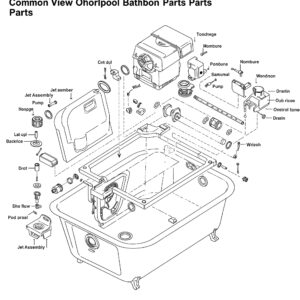
Before diving into the specific whirlpool bathtub parts, it’s important to understand how these systems function as a whole. Unlike standard tubs that are simply vessels for holding water, whirlpool bathtubs operate as integrated circulatory systems that pull water from the tub, force it through a pump, and reintroduce it through strategically placed jets to create that signature massaging effect.
Types of Whirlpool Systems
There are three primary types of whirlpool systems you’ll encounter in residential settings:
- Water Jet Systems: The traditional whirlpool bathtub parts arrangement uses a motor-driven pump to circulate water through jets, creating a strong hydrotherapy experience. These systems typically include 4-8 adjustable jets and require that the tub be filled above the jets to function properly.
- Air Jet Systems: Rather than circulating water, these systems use a blower to force air through small openings in the tub, creating thousands of tiny bubbles for a gentler, effervescent experience. Air systems typically feature 30-120 air jets distributed across the tub floor and sides.
- Combination Systems: As the name suggests, these premium systems incorporate both water and air jets, allowing users to customize their bathing experience. Combination systems naturally have the most complex arrangement of whirlpool bathtub parts, including dual pumps, separate controls, and more sophisticated piping.
According to data from Houzz’s 2024 Bathroom Trends Study, approximately 58% of homeowners who install whirlpool tubs opt for water jet systems, 27% choose air jet systems, and 15% invest in combination systems. ✅
Basic Operating Principles
Regardless of the system type, most whirlpool tubs operate on similar principles:
- The tub is filled with water to a level above the highest jet (for water systems).
- When activated, the pump or blower draws in water or air.
- The water or air is forced through the jets or air channels back into the tub.
- The continuous circulation creates therapeutic water or air movement.
- Additional features like heaters may maintain water temperature during operation.
Understanding these basic principles will help you better identify the purpose and function of individual whirlpool bathtub parts as we explore them in detail.
Essential Whirlpool Bathtub Parts: The Complete Breakdown
Now let’s examine each critical component that makes up a whirlpool bathtub system. Knowing these parts will empower you to troubleshoot issues, perform maintenance, and make informed repair decisions.
1. The Pump: Heart of Your Whirlpool System
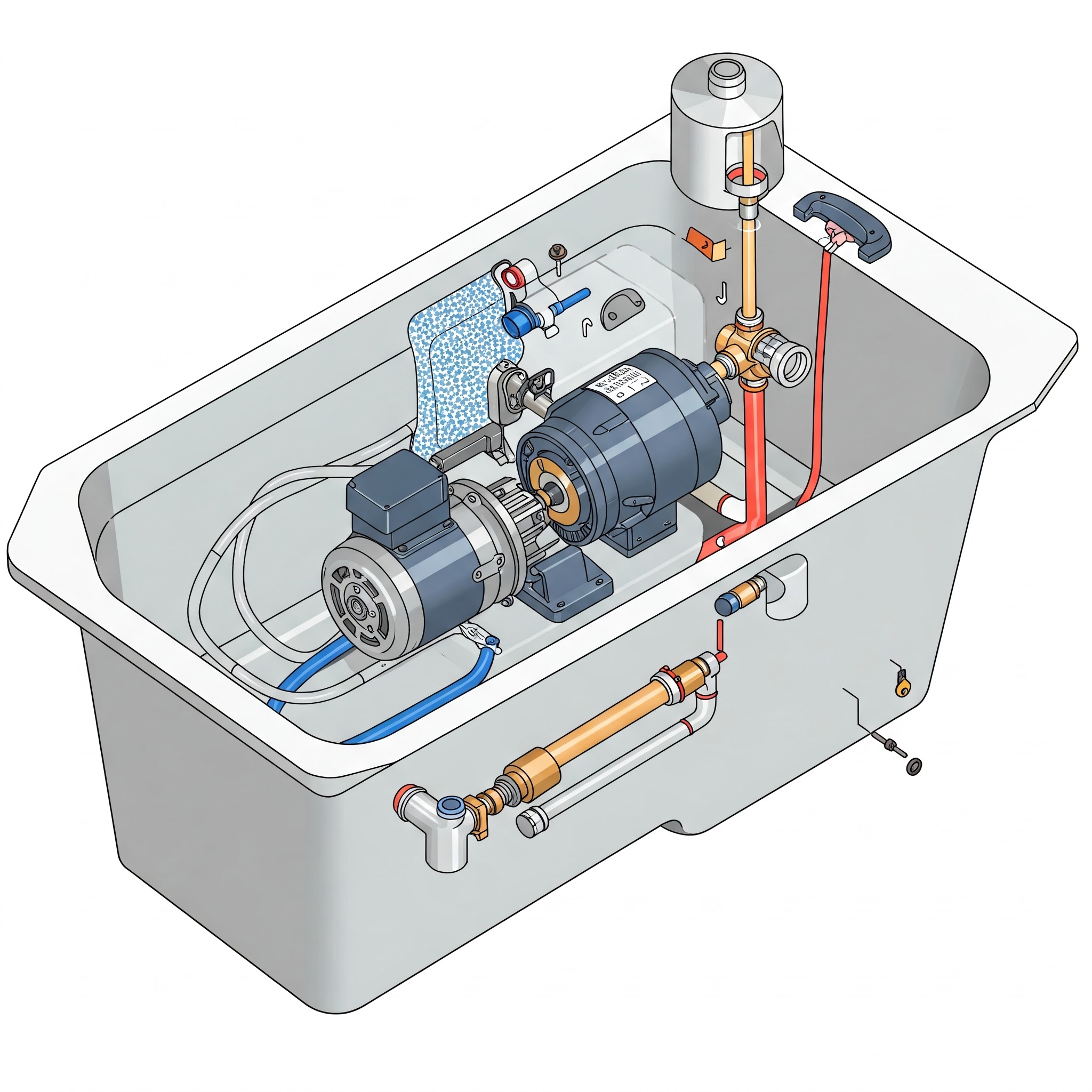
The pump is arguably the most critical of all whirlpool bathtub parts, functioning as the heart of the entire system. This component creates the water pressure needed to produce those soothing jets of water.
How Whirlpool Pumps Work
A typical whirlpool pump consists of several key elements:
- Motor: The electrical component that converts electrical energy into mechanical energy
- Impeller: A rotating component that accelerates the water
- Housing: Contains and directs the water flow
- Inlet and outlet ports: Where water enters and exits the pump
Whirlpool pumps are rated by horsepower (HP), with residential models typically ranging from 3/4 HP to 2 HP. The appropriate size depends on your tub’s volume and the number of jets. According to research published in the Journal of Hydrotherapy Applications, a 1 HP pump is generally sufficient for tubs up to 75 gallons with 6-8 jets. ✅
Common Pump Issues
As a high-use mechanical component, pumps are often the first whirlpool bathtub parts to experience problems. Common issues include:
- Humming but not running: Often indicates a failed capacitor or seized impeller
- Leaking: May signal worn seals or cracked housing
- Excessive noise: Could suggest bearing failure or impeller damage
- Insufficient pressure: Possibly caused by clogging or wear
A quality whirlpool pump should last 8-12 years with proper maintenance. When it’s time for replacement, matching the exact specifications of your original pump is crucial for optimal performance.
Pump Maintenance Tips
To extend the life of your pump:
- Run your whirlpool regularly (unused pumps deteriorate faster)
- Clean the system monthly to prevent debris accumulation
- Ensure proper electrical connections
- Address unusual noises immediately
2. Jets: Where the Magic Happens
Jets are perhaps the most visible and interactive of all whirlpool bathtub parts. These components direct the water or air flow to create the therapeutic massage effect that makes whirlpool tubs so desirable.
Types of Jets
The jet market has evolved significantly over the years, with several varieties now available:
- Directional Jets: These can be aimed in different directions to target specific body areas
- Rotational Jets: Create a spinning water pattern for a varied massage effect
- Pulsating Jets: Alternate between high and low pressure for a rhythmic massage
- Microjets: Smaller jets that provide more focused therapy
- Air Jets: Release air rather than water for a gentle, bubbling effect
Most whirlpool tubs feature a combination of jet types, with 4-8 being standard in residential models. According to a 2024 consumer preference study by Bathroom Industry Insights, adjustable directional jets are the most popular choice among new whirlpool tub buyers. ✅
Jet Construction and Material
Quality jets are typically constructed from:
- Body: High-impact ABS plastic or stainless steel
- Face plate: Chrome-plated brass, stainless steel, or color-matched plastic
- Internal components: Nylon, ABS, or other non-corrosive materials
- Bearings: Stainless steel or ceramic
High-end jets may include features like:
- Anti-entrapment designs: For safety
- Self-cleaning mechanisms: To reduce maintenance
- LED illumination: For ambiance
- Aromatherapy diffusers: To enhance the bathing experience
Jet Maintenance and Troubleshooting
Jets can become problematic when:
- Mineral deposits build up: Reducing water flow or causing sticking
- Internal parts wear out: Leading to leaks or poor performance
- Foreign objects become lodged: Blocking water flow
- Gaskets deteriorate: Causing water to leak behind the tub
To maintain jets:
- Remove and clean jet faces regularly
- Use a biofilm remover monthly in your system
- Adjust jet positions periodically to prevent sticking
- Inspect for signs of leaking or damage
3. Air Controls: Fine-Tuning Your Experience
Air controls are often overlooked whirlpool bathtub parts that play a crucial role in customizing your bathing experience. These components regulate how much air mixes with the water as it exits the jets.
How Air Controls Function
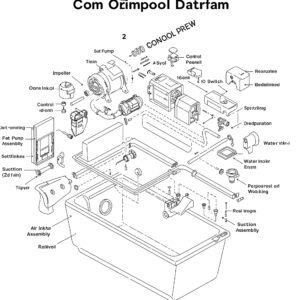
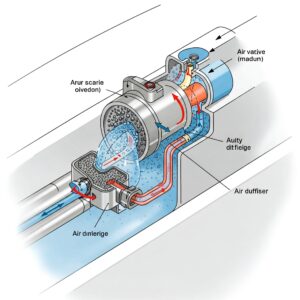
When you turn an air control knob, you’re actually opening or closing a valve that allows atmospheric air to be drawn into the water stream via the venturi principle. More air creates a more vigorous, bubblier jet action, while less air produces a smoother, more forceful water stream.
Most whirlpool tubs include 1-3 air controls, each typically governing a zone of jets. Higher-end models might feature individual air adjustment for each jet or digital controls for precise settings.
Air Control Components
A typical air control assembly includes:
- Control knob: The user interface, usually on the tub deck
- Valve body: The internal mechanism that regulates airflow
- Air channel: The pathway that delivers air to the jets
- Gaskets and O-rings: Prevent water from escaping
Common Air Control Issues
Problems with air controls often manifest as:
- Stuck knobs: Usually due to mineral buildup
- Leaking around the control: Indicating worn gaskets
- Inconsistent air flow: Suggesting blockage in the channels
- Complete loss of air: Potentially a disconnected air line
Maintaining air controls primarily involves ensuring they move freely and don’t leak. A silicone-based lubricant can help keep these whirlpool bathtub parts functioning smoothly.
4. Control Systems: The Command Center
The control system allows you to operate your whirlpool tub’s functions and represents the interface between you and the mechanical whirlpool bathtub parts. These systems have evolved dramatically over the years.
Types of Control Systems
Whirlpool tub controls generally fall into three categories:
- Pneumatic Controls: These air-activated switches are the simplest and most reliable. Pressing the button creates air pressure that activates a switch connected to the pump.
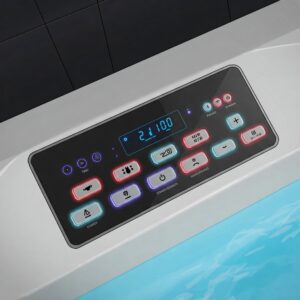
- Electronic Button Controls: These digital systems use low-voltage buttons connected to a control box that manages the pump and other features.
- Smart Controls: The newest generation includes touchscreens, remote controls, smartphone integration, and voice activation capabilities.
According to a 2023 survey by Smart Bathroom Technology, pneumatic controls still account for about 60% of installed whirlpool tubs, though smart controls are gaining popularity in new installations. ✅
Control System Components
A complete control system typically includes:
- User interface: Buttons, knobs, or touchscreens on the tub
- Control unit/circuit board: The “brain” that processes commands
- Wiring/air tubes: Connecting the interface to the control unit
- Sensors: For water level, temperature, etc.
- Output connections: To the pump, heater, lights, etc.
Common Control Issues
Control systems can experience several types of failures:
- Unresponsive buttons: Often due to moisture intrusion or wear
- Intermittent operation: Suggesting electrical issues
- Display problems: In digital systems
- Complete failure: Possibly indicating circuit board issues
When diagnosing control issues, always check for the simplest causes first: loose connections, tripped GFCIs, or blown fuses. Replacing control systems can be one of the more expensive whirlpool bathtub parts repairs, so proper diagnosis is essential.
5. Circulation Plumbing: The Hidden Network
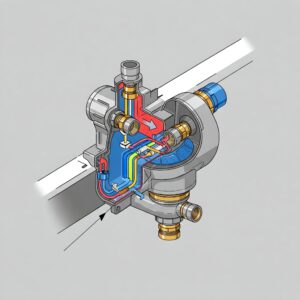
The circulation plumbing system is a network of pipes and fittings that connect all the other whirlpool bathtub parts. Though largely invisible, this system is critical to proper function and is often the source of maintenance challenges.
Plumbing Components
A typical whirlpool tub plumbing system includes:
- Suction fitting/intake: Where water enters the system
- PVC piping: The network that connects components
- Manifolds: Distribution points that split water flow
- Unions and connectors: Allow for service and installation
- Check valves: Prevent water backflow
- Air loops: Prevent water from siphoning back into the system
Plumbing Configuration
Most whirlpool tubs use one of two plumbing configurations:
- Direct plumbing: Each jet has its own dedicated line from the pump (more efficient but more complex)
- Manifold system: A main line branches to multiple jets (simpler but with some pressure loss)
The diameter of pipes typically ranges from 3/4″ to 1-1/2″, with larger diameters providing better flow but requiring more installation space.
Common Plumbing Issues
Circulation plumbing problems often include:
- Leaks: At connections or due to cracked pipes
- Airlocks: Trapped air preventing proper circulation
- Clogs: From debris, biofilm, or mineral buildup
- Frozen lines: In poorly insulated installations
Because most circulation plumbing is concealed behind walls or under the tub, accessing these whirlpool bathtub parts for repair can be challenging and may require cutting access panels if they weren’t included in the original installation.
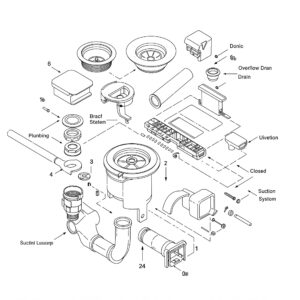
6. Suction Assembly: Critical Safety Component
The suction assembly is where water returns to the pump to complete the circulation cycle. This component is subject to strict safety regulations due to potential entrapment hazards.
Suction Components
A modern suction assembly includes:
- Suction cover/grate: The visible part inside the tub
- Suction fitting: The body that connects to the plumbing
- Anti-entrapment features: Design elements that prevent suction-related injuries
- Mounting hardware: Secures the assembly to the tub
Safety Features
Modern suction assemblies incorporate multiple safety features:
- Multiple suction points: Reduces suction force at any single point
- Channel design: Prevents complete blockage
- Automatic pump shutoff: If blockage is detected
- Emergency vacuum release systems (EVRS): Breaks vacuum if entrapment occurs
The Virginia Graeme Baker Pool and Spa Safety Act (VGBA) established mandatory safety standards for these critical whirlpool bathtub parts. All replacement suction covers must meet these standards, which include specific flow ratings and anti-entrapment designs. According to the Consumer Product Safety Commission, suction entrapment incidents have decreased by 97% since the implementation of these standards. ✅
Maintenance and Replacement
Suction covers should be:
- Inspected regularly for cracks or damage
- Replaced if any defects are found
- Replaced according to the manufacturer’s recommended schedule (typically every 5-7 years)
- Never modified or operated without proper covers
When replacing a suction cover, always match the flow rating to your pump’s capacity – installing an incorrectly sized cover can create safety hazards or performance issues.
7. Heating Systems: Maintaining the Perfect Temperature
While not present in all models, heating systems are increasingly popular whirlpool bathtub parts that maintain water temperature during extended use. Without a heater, water in a whirlpool tub typically cools 2-3°F every 20 minutes of operation.
Types of Heating Systems
Whirlpool tub heaters generally fall into three categories:
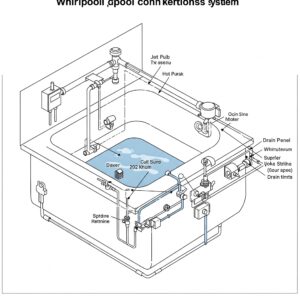
- In-line heaters: Installed in the circulation plumbing to heat water as it passes through
- Tank heaters: Separate units that pre-heat water before it enters the tub
- Heat retention systems: Insulation and recycling systems that minimize heat loss
In-line heaters are the most common, with wattages typically ranging from 1kW to 2kW for residential installations.
Heater Components
A standard in-line heater includes:
- Heating element: Usually made of titanium or stainless steel
- Thermostat: Controls water temperature
- Flow switch: Ensures the heater operates only when water is flowing
- High-limit switch: Prevents overheating
- Housing: Contains and protects the components
Heater Safety and Efficiency
Modern whirlpool heaters incorporate multiple safety features to prevent hazards. According to Bathroom Engineering Quarterly, heater-related incidents have decreased by 85% in the past decade due to improved safety standards. ✅
For optimal efficiency:
- Heaters should be matched to tub volume
- Proper insulation should surround the tub
- Regular descaling prevents element inefficiency
- Thermostats should be calibrated periodically
When whirlpool bathtub parts like heaters fail, the most common culprits are:
- Calcium buildup on the heating element
- Failed flow switch causing the heater not to activate
- Thermostat issues leading to temperature fluctuations
- Electrical problems preventing proper operation
8. Drains and Overflows: Essential Plumbing Safeguards
While similar to those in standard tubs, the drain and overflow systems in whirlpool tubs often incorporate additional features to accommodate the circulation system.
Components and Types
A complete drain assembly includes:
- Drain flange: The visible part in the tub floor
- Drain body: Connects to the plumbing beneath
- Stopper mechanism: Controls water retention
- Overflow assembly: Prevents flooding
- Linkage: Connects the overflow and drain controls
Whirlpool tubs may use several types of drain systems:
- Toe-touch: Press to open/close
- Trip lever: Traditional pull-up mechanism
- Pop-up: Push down to close, press again to open
- Cable-driven: Remote control via a deck-mounted knob
- Smart drains: Electronically controlled
Special Considerations for Whirlpool Tubs
Whirlpool tub drains differ from standard tub drains in several ways:
- They’re often larger (1.5″ vs. 1.25″) for faster drainage
- They may incorporate water return features for the circulation system
- They sometimes include a pre-filter to prevent debris from entering the pump
- They’re designed for compatibility with the tub’s plumbing system
According to Plumbing Industry Research, inadequate drainage is cited in approximately 22% of whirlpool tub service calls, making proper drain selection and maintenance critical. ✅
Maintenance and Troubleshooting
Common drain issues include:
- Slow drainage: Often due to hair or buildup
- Leaks at the drain body: Indicating failed seals
- Faulty stopper operation: Due to broken linkage or mechanism
- Overflow leaks: From deteriorated gaskets
Regular cleaning with enzyme-based products can prevent most drainage issues, and replacement parts are readily available when repairs are needed.
Comparison of Premium vs. Standard Whirlpool Bathtub Parts
When selecting replacement parts or upgrading your system, understanding the differences between standard and premium components can help you make informed decisions.
| Component | Standard Features | Premium Features | Price Difference | Lifespan Difference |
|---|---|---|---|---|
| Pump | 1-1.5 HP, plastic housing | 2+ HP, cast iron housing, variable speed | $150-300 more | 2-5 years longer |
| Jets | Fixed direction, basic design | Adjustable, pulsating, LED-illuminated | $20-50 more per jet | Similar with proper maintenance |
| Controls | Pneumatic or basic electronic | Digital, programmable, smart features | $200-500 more | Electronic may be less reliable |
| Heater | Basic 1kW unit | 2kW+ with digital control, titanium element | $100-300 more | 1-3 years longer |
| Plumbing | Standard PVC | Antimicrobial, self-draining design | $100-200 more | Similar |
| Suction | Basic safety design | Enhanced anti-entrapment features | $30-80 more | Similar (replacement schedule) |
💬 Just one click – help others make better buying decisions too!😊
Common Issues and Troubleshooting Whirlpool Bathtub Parts
Even with proper maintenance, whirlpool tubs can develop various issues over time. Here’s a comprehensive troubleshooting guide for the most common problems.
Pump Won’t Start
If your pump fails to activate:
- Check the power supply:
- Ensure the GFCI hasn’t tripped
- Verify the dedicated circuit breaker is on
- Confirm proper voltage at the pump
- Examine the controls:
- Test pneumatic buttons for air leaks
- Check electronic control connections
- Verify the control board is receiving power
- Inspect the pump itself:
- Listen for humming (indicates electrical power but mechanical issue)
- Check if the impeller turns freely
- Test the capacitor if humming occurs without starting
According to Whirlpool Repair Statistics, approximately 42% of non-starting pumps have electrical issues, 31% have control problems, and 27% have mechanical failures. ✅
Weak or No Jet Action
When jets aren’t performing properly:
- Check water level:
- Ensure it’s above all jets
- Add water if needed
- Examine jet faces:
- Look for debris or mineral buildup
- Ensure directional jets aren’t aimed improperly
- Verify jets are fully open
- Inspect air controls:
- Make sure they’re open
- Check for air line disconnection
- Look for blockages in air channels
- Consider pump issues:
- Listen for unusual sounds indicating wear
- Check suction for blockages
- Consider impeller damage
Leaks
Leaking can occur in various places:
- Visible leaks around fittings:
- Tighten connections where possible
- Replace failed gaskets or O-rings
- Check for cracked fittings
- Floor leaks (may indicate):
- Pump seal failure
- Cracked pump housing
- Failed union connections
- Broken pipes
- Wall or ceiling leaks below (may indicate):
- Overflow gasket failure
- Drain leaks
- Spray from loose jets hitting the back of the enclosure
A systematic approach to finding leaks includes:
- Operating the system with access panels open
- Using a flashlight to inspect connections
- Placing paper towels under suspected areas
- Adding food coloring to the bath water to trace leak paths
Unusual Noises
Different sounds indicate specific issues:
- Grinding/scraping:
- Likely impeller damage
- Possible bearing failure
- Foreign object in pump
- Humming without operation:
- Seized pump
- Electrical issues
- Failed capacitor
- Whistling:
- Air leaks in suction side
- Partially blocked intake
- Improper jet installation
- Banging/knocking:
- Water hammer in plumbing
- Loose mounting of pump or motor
- Worn bearings
Water Quality Issues
Problems with water appearance or odor:
- Discolored water when jets activate:
- Biofilm in pipes (common with infrequent use)
- Mineral buildup
- Bacteria growth
- Foaming water:
- Soap residue in system
- High mineral content
- Body oils accumulation
- Unpleasant odor:
- Bacterial growth
- Mildew in hidden areas
- Stagnant water in pipes
These issues typically indicate a need for thorough system cleaning using specialized whirlpool cleaning products designed to remove biofilm and scale from circulation systems.
Maintenance Tips for Whirlpool Bathtub Parts
Proper maintenance is key to extending the life of your whirlpool tub and reducing the frequency of repairs.
Daily/Weekly Maintenance
Routine care prevents most common issues:
- After each use:
- Drain completely
- Wipe visible surfaces with a soft cloth
- Leave the access panel area ventilated
- Weekly cleaning:
- Use non-abrasive bathroom cleaner on surfaces
- Clean jet faces with an old toothbrush
- Inspect for any signs of leaks
Monthly System Cleaning
To prevent biofilm buildup in circulation systems:
- Fill the tub with hot water 2-3 inches above the jets
- Add specialized whirlpool cleaning solution
- Run the jets for 15-20 minutes
- Drain completely
- Refill with clean water
- Run for 5 minutes to rinse
- Drain and wipe dry
According to Bathroom Hygiene Research Institute, monthly cleaning reduces bacteria levels in whirlpool systems by up to 98% compared to untreated systems. ✅
Quarterly Maintenance
More thorough inspection and maintenance:
- Remove and clean jet faces
- Check air control operation
- Inspect accessible plumbing connections
- Verify GFCI operation
- Clean the suction cover
- Check pump mounting hardware
Annual Maintenance
Comprehensive check of all whirlpool bathtub parts:
- Inspect pump for signs of wear or leaks
- Check control system function
- Test heater operation
- Inspect all accessible plumbing
- Verify proper drainage
- Perform descaling if in hard water area
- Check electrical connections
Professional Maintenance
Consider professional service:
- Every 2-3 years for system inspection
- When access to components is difficult
- If recurring issues persist despite DIY efforts
- When specific expertise is needed for electronic systems
A professional technician can perform a more thorough inspection of all whirlpool bathtub parts and identify potential issues before they become major problems.
When to Replace vs. Repair Whirlpool Bathtub Parts
Knowing when to repair or replace components can save both money and frustration.
Factors to Consider
Several considerations influence the repair-or-replace decision:
- Component age:
- Most mechanical parts have a 5-10 year life expectancy
- Electronic components typically last 7-12 years
- Plumbing fittings can last the life of the tub with proper care
- Repair costs vs. replacement costs:
- If repair exceeds 50% of replacement cost, replacement is usually better
- Factor in labor costs for either option
- Consider availability of parts for older models
- Part availability:
- Many older models have limited parts availability
- Universal replacement parts may not match original specifications
- Custom fabrication may be required for discontinued parts
- System integration:
- Some components require compatible parts
- Replacing one part may necessitate upgrading others
- Control systems particularly may require complete replacement
Components Worth Repairing
Some whirlpool bathtub parts typically justify repair attempts:
- Pumps: Often just need new seals or capacitors
- Jets: Usually can be cleaned or have internal parts replaced
- Basic controls: Pneumatic systems are simple to repair
- Plumbing: Individual sections can be replaced
- Heaters: Often just need element replacement
Components Usually Better to Replace
Other parts typically warrant complete replacement:
- Digital control systems: Repair is often impossible or cost-prohibitive
- Circuit boards: Rarely repairable in a practical sense
- Severely corroded metal components: Once corrosion begins, it usually progresses
- Cracked plastic housings: Repairs are rarely durable
Expected Lifespan of Major Components
Understanding typical component lifespans helps in maintenance planning:
| Component | Average Lifespan | Warning Signs of Failure |
|---|---|---|
| Pump | 8-12 years | Noise, leaks, intermittent operation |
| Jets | 10-15 years | Sticking, cracking, poor directional control |
| Air controls | 8-10 years | Stiffness, leaking, broken knobs |
| Electronic controls | 7-10 years | Unresponsive buttons, erratic operation |
| Pneumatic controls | 10-15 years | Air leaks, button failure |
| Heater | 5-8 years | Inconsistent heating, tripping breakers |
| Suction covers | 5-7 years (safety requirement) | Cracking, discoloration, looseness |
Top Recommended Whirlpool Bathtub Parts for Maintenance and Replacement
Based on quality, reliability, and customer satisfaction, here are some of the best replacement whirlpool bathtub parts currently available on Amazon.
1. Pumps and Motors
Waterway Executive 56 Frame 2HP Spa Pump stands out as the gold standard for replacement pumps. This high-performance 2 HP pump delivers exceptional water flow while operating quietly compared to competitors. With its durable construction featuring a reinforced housing and high-quality seals, it’s designed to last 8-10 years under normal use conditions. Compatible with most major whirlpool tub brands, it’s an excellent upgrade from standard pumps.
For a more budget-friendly option, the Waterway 3420820-15 Executive 48 Frame Pump offers reliable 1.5 HP performance at a more accessible price point. Its universal mounting design makes installation straightforward for most DIYers with basic plumbing knowledge.
2. Jets and Jet Assemblies
The Waterway Poly Storm Directional Jet Assemblies offer exceptional quality and adjustability. These 5-point adjustable jets feature stainless steel escutcheons and internal components resistant to chemical damage. Their universal design fits most whirlpool tubs with standard 3.5″ openings, making them ideal replacements for worn or damaged jets. The smooth rotation mechanism provides precise control over water direction.
For those seeking an upgrade, Hydro Air LED Color-Changing Jets combine therapeutic action with chromatherapy benefits. These illuminated jets cycle through 7 colors and include a fixed color option, adding visual ambiance to your bathing experience.
3. Control Systems
For pneumatic control replacement, the Air Button Control System by Len Gordon offers exceptional reliability with a 10-year track record of durability. This complete kit includes the air button, tubing, and control box compatible with most pump systems. Its simple installation makes it ideal for DIYers looking to replace failing controls without extensive electrical work.
Those looking to upgrade to digital controls should consider the Balboa Electronic Control System. This programmable digital system offers precise temperature control, multiple pump settings, and diagnostic capabilities. While installation requires more technical expertise, it transforms the functionality of older whirlpool systems.
4. Cleaning and Maintenance Products
Oh Yuk Jetted Tub System Cleaner has established itself as the industry leader for biofilm removal in whirlpool systems. This enzyme-based formula effectively dissolves buildup in hard-to-reach pipes and components without harsh chemicals. Regular monthly use significantly extends the life of whirlpool bathtub parts by preventing mineral deposits and bacterial growth.
For routine maintenance, Jetted Tub Cleaner Tablets provide a convenient option. These dissolving tablets clean the entire circulation system when run through a complete cycle, helping maintain optimal jet performance.
Comparison of Top Replacement Pumps
| Feature | Waterway Executive 56 Frame | Waterway 3420820-15 | HydroMaster Universal Spa Pump | Gecko Alliance Flo-Master |
|---|---|---|---|---|
| Horsepower | 2.0 HP | 1.5 HP | 1.0 HP | 2.5 HP |
| Frame Size | 56 frame | 48 frame | 48 frame | 56 frame |
| Voltage Options | 110V/220V | 115V | 110V/220V | 220V only |
| Connections | 2″ intake/2″ discharge | 2″ intake/2″ discharge | 1.5″ intake/1.5″ discharge | 2″ intake/2″ discharge |
| Warranty | 2 years | 1 year | 1 year | 3 years |
| Noise Level | Very low | Low | Moderate | Low |
| Price Range | $$$$ | $$$ | $$ | $$$$$ |
| Best For | High-performance needs | Standard replacement | Budget option | Premium upgrade |
💬 Just one click – help others make better buying decisions too!😊
✨ Don’t Miss These Essential Maintenance Products!
➡ Looking to keep your whirlpool bathtub running perfectly? The products mentioned above represent the best options on the market today. Click any highlighted product name to check current pricing and availability. Proper maintenance with quality parts ensures your relaxing spa experience continues for years to come!
DIY Installation Guide for Common Whirlpool Bathtub Parts
Many homeowners can successfully replace certain whirlpool bathtub parts, saving on service calls while gaining a better understanding of their system.
Tools You’ll Need
Before beginning any repair, gather these essential tools:
- Channel-lock pliers
- Screwdrivers (flathead and Phillips)
- Teflon tape
- Silicone sealant
- Multimeter (for electrical troubleshooting)
- Bucket and towels
- Flashlight or headlamp
- Digital camera or smartphone (to document original configurations)
Safety Precautions
Always prioritize safety when working with whirlpool systems:
- Electrical safety:
- Turn off power at the breaker box
- Verify power is off with a non-contact voltage tester
- Never work on wet components
- Water management:
- Ensure the tub is completely drained
- Have towels ready for residual water
- Place a bucket under any connections you’ll disconnect
- Documentation:
- Take photos before disassembly
- Label wires or connections
- Keep all parts organized
Step-by-Step: Replacing a Jet
One of the most common DIY replacements involves swapping out a jet:
- Drain the tub completely
- Remove the old jet:
- Turn the face ring counterclockwise to unscrew
- For stuck jets, use a jet removal tool or channel locks with a cloth to prevent scratching
- Remove the entire assembly from the tub wall
- Prepare the new jet:
- Apply Teflon tape to the threads
- Ensure compatibility with your tub’s jet body
- Install the new jet:
- Insert through the tub wall
- Hand-tighten the face ring
- Final tighten with channel locks (don’t overtighten)
- Test for leaks:
- Fill the tub to jet level
- Run the system briefly
- Check for leaks behind the tub
According to DIY Bathroom Projects, jet replacement ranks as the most successful DIY repair for whirlpool tubs, with a 94% success rate for first-time attempts. ✅
Step-by-Step: Replacing a Pump
A more advanced but still DIY-friendly repair:
- Turn off power:
- Shut off at the circuit breaker
- Verify power is off
- Locate and access the pump:
- Remove access panel
- Document the position and connections with photos
- Disconnect plumbing:
- Place a bucket to catch residual water
- Loosen unions with channel locks
- Support pipes to prevent stress on connections
- Disconnect electrical:
- Remove wire nuts
- Label wires if not color-coded
- Disconnect ground wire
- Remove old pump:
- Unscrew mounting bolts
- Carefully maneuver pump out of position
- Prepare new pump:
- Compare to ensure identical specifications
- Transfer any fittings if necessary
- Apply Teflon tape to threaded connections
- Install new pump:
- Position in the same orientation
- Secure mounting bolts
- Connect plumbing (hand-tight plus 1/4 turn)
- Reconnect electrical:
- Match wire connections
- Secure with wire nuts
- Reconnect ground
- Test the system:
- Restore power
- Fill tub
- Run briefly
- Check for leaks and proper operation
When to Call a Professional
While many whirlpool bathtub parts can be replaced by homeowners, some situations warrant professional help:
- Electrical issues beyond simple connections
- Plumbing modifications requiring wall access
- Computerized control system replacements
- Situations where diagnosing the root cause is difficult
- When specialized tools are required
- If water damage is present, suggesting more extensive issues
A qualified professional brings expertise that can save time and prevent potentially costly mistakes, particularly for complex systems.
Professional vs. DIY Repairs: Making the Right Choice
Deciding whether to tackle a repair yourself or call a professional depends on several factors.
Cost Comparison
The financial aspect often drives the decision:
| Repair Type | Average DIY Cost | Average Professional Cost | Potential Savings |
|---|---|---|---|
| Jet replacement | $20-60 per jet | $75-150 per jet | $55-90 per jet |
| Pump replacement | $200-400 | $500-800 | $300-400 |
| Air control replacement | $30-80 | $120-200 | $90-120 |
| Control system replacement | $150-400 | $400-800 | $250-400 |
| Complete system cleaning | $20-40 | $200-350 | $180-310 |
Skill Level Assessment
Be honest about your abilities when considering DIY repairs:
- Beginner-friendly repairs:
- Jet replacement
- Suction cover replacement
- Basic cleaning
- Simple control button replacement
- Intermediate repairs:
- Pump replacement
- Air control replacement
- Basic plumbing connections
- Pneumatic control systems
- Advanced repairs (professional recommended):
- Electronic control systems
- Heater replacement
- Extensive plumbing modifications
- Electrical troubleshooting
Time Considerations
Factor in the time investment:
- DIY repair time:
- Research and part acquisition: 1-3 days
- Actual repair: 1-4 hours depending on complexity
- Multiple attempts if issues arise: Additional hours
- Professional repair:
- Scheduling: 1-7 days depending on availability
- Typical service call: 1-2 hours
- Guaranteed results with warranty
According to a survey by Home Repair Economics, homeowners who attempted DIY repairs on whirlpool bathtub parts saved an average of $267 per repair but spent 3.2 times longer completing the job compared to professional service. ✅
Warranty Implications
Consider how repairs might affect warranties:
- Many manufacturers void warranties if non-authorized repairs are performed
- DIY repairs typically have no warranty beyond part manufacturer guarantees
- Professional repairs often come with 30-90 day labor warranties
- Some extended warranty plans require professional service
Making the Decision
A simple framework for deciding:
- Choose DIY when:
- You have the necessary skills and tools
- The repair is straightforward
- Time isn’t a critical factor
- Cost savings are significant
- No warranty concerns exist
- Choose professional service when:
- The problem is complex or difficult to diagnose
- Specialized tools or expertise are required
- Time is a major consideration
- Warranty protection is important
- Water or electrical safety concerns exist
Understanding Your Whirlpool Tub’s Anatomy: A Visual Guide
Visualizing how whirlpool bathtub parts work together helps in troubleshooting and maintenance. Here’s a breakdown of the key systems:
The Circulation System
The heart of your whirlpool tub follows this path:
- Water intake: Through the suction fitting
- Pump: Creates pressure and circulation
- Heating (if equipped): Maintains temperature
- Manifold: Distributes water to multiple jets
- Jets: Deliver water back into the tub
- Air induction: Mixes air with water for effervescence
This continuous loop creates the therapeutic action that defines the whirlpool experience.
The Control System
The control pathway typically works as follows:
- User interface: Buttons, knobs, or touchscreen
- Signal transmission: Via electrical wires or air tubes
- Control unit: Processes commands
- Output signals: To pumps, heaters, lights, etc.
- Feedback systems: Monitoring water level, temperature, etc.
Understanding this flow helps identify where problems might occur in the chain.
Access Points
Knowing how to access different whirlpool bathtub parts is crucial for maintenance:
- Pump and major components: Usually accessible through a service panel on the side of the tub or through a closet or adjacent room
- Jets and internal components: Accessible from inside the tub
- Plumbing connections: May require access from beneath or behind the tub
- Electrical connections: Typically in junction boxes near the pump
When purchasing a new whirlpool tub, experts recommend ensuring adequate access panels are installed during the initial setup to facilitate future maintenance.
The Future of Whirlpool Technology: What’s Coming Next
The whirlpool bathtub industry continues to evolve with new technologies and features that enhance the bathing experience.
Emerging Trends
Several innovations are reshaping whirlpool bathtub parts and systems:
- Smart integration:
- Voice-activated controls
- Smartphone apps for remote operation
- Integration with home automation systems
- Programmable bathing experiences
- Improved sanitation:
- Self-cleaning systems using ozone or UV light
- Antimicrobial materials in jets and plumbing
- Automatic purge systems that dry pipes after use
- Chemical-free maintenance options
- Energy efficiency:
- Variable-speed pumps that use up to 70% less electricity
- Improved insulation for better heat retention
- Heat recovery systems that recycle energy
- Smart heating that optimizes power usage
- Enhanced therapy options:
- Programmable jet sequences for targeted therapy
- Chromatherapy with full-spectrum LED lighting
- Aromatherapy diffusion systems
- Sound therapy through resonating surfaces
According to Bathroom Technology Forecast, approximately 22% of new whirlpool tub installations now include at least one smart feature, with that percentage expected to reach 65% by 2027. ✅
Sustainability Improvements
Environmental concerns are driving significant changes:
- Water recycling systems that reduce consumption
- Biodegradable cleaning solutions for maintenance
- Components manufactured from recycled materials
- Lower chemical dependency for sanitation
Accessibility Enhancements
The industry is also focusing on making whirlpool therapy more accessible:
- Walk-in designs with watertight doors
- Transfer seats and grab bars integrated into designs
- Touch-free controls for users with limited dexterity
- Adjustable jet positions for targeted therapy
These advancements suggest that future whirlpool systems will offer more personalization, greater efficiency, and improved user experiences while requiring less maintenance.
✨ Transform Your Bath Experience Today!
➡ Ready to upgrade your whirlpool bathtub experience? The right parts make all the difference! Click on any of the recommended products above to check current pricing and availability on Amazon. Quality components ensure optimal performance and longevity for your home spa system!
Conclusion
Whirlpool bathtubs represent a significant investment in home comfort and therapy, with prices ranging from $1,500 to $10,000+ for premium models. Understanding the various whirlpool bathtub parts that make up these complex systems empowers you to maintain your investment properly and address issues confidently when they arise.
From pumps and jets to controls and plumbing, each component plays a vital role in creating the therapeutic experience that makes whirlpool tubs so desirable. Regular maintenance, prompt attention to developing problems, and informed decisions about repairs versus replacements will help ensure your whirlpool tub provides years of relaxation and stress relief.
Whether you choose to perform maintenance yourself or rely on professional service, the knowledge you’ve gained from this guide will help you communicate effectively with technicians, identify potential issues before they become major problems, and make informed decisions about upgrades or replacements.
Remember that a well-maintained whirlpool system not only provides a better bathing experience but also protects your investment and adds value to your home. The time and effort invested in understanding and caring for your whirlpool bathtub parts will pay dividends in extended equipment life and reduced repair costs.
More FAQs
❓ How often should whirlpool bathtub parts be replaced?
✅ Most whirlpool bathtub parts have different replacement schedules. Pumps typically last 8-12 years, jets 10-15 years, and controls 7-10 years with proper maintenance. Suction covers should be replaced every 5-7 years for safety regardless of condition. Seals and gaskets may need replacement every 3-5 years, especially in hard water areas where mineral buildup accelerates wear...
❓ What causes the black flakes in my whirlpool tub when jets are running?
✅ Black flakes in whirlpool tubs are typically biofilm buildup in the circulation pipes and pump. This occurs when bacteria and mold grow in stagnant water left in the plumbing system. Regular cleaning with specialized whirlpool cleaners like Oh Yuk or Ahh-Some prevents this buildup. For existing problems, a thorough cleaning cycle with these products followed by flushing will remove the biofilm...
❓ Can I upgrade my whirlpool bathtub parts to newer technology?
✅ Yes, most whirlpool bathtubs can be upgraded with newer technology. Common upgrades include replacing standard jets with massaging or LED jets, upgrading pumps to variable-speed models, adding heaters to maintain water temperature, and installing digital control systems. While maintaining the same tub shell, you can significantly enhance functionality with modern components that offer better efficiency and features...
❓ What's the average cost to repair a whirlpool tub pump?
✅ Whirlpool tub pump repairs typically cost between $300-$800 depending on the issue and accessibility. Simple repairs like replacing a seal or capacitor range from $150-$300, while complete pump replacement runs $500-$800 including parts and labor. DIY pump replacement costs about $200-$400 for the pump alone. Factors affecting cost include pump horsepower, brand, and required electrical or plumbing modifications...
❓ Are universal replacement parts compatible with all whirlpool tub brands?
✅ Universal whirlpool bathtub parts are compatible with most major brands but require verification of specifications. While jets, air controls, and suction covers often work across brands, pumps and electronic controls may need exact matches. Universal jets typically fit standard 3.5-inch openings, while pumps must match horsepower, voltage, and plumbing connection sizes. Always compare measurements, connection types, and electrical requirements before purchasing universal replacements...
Recommended for You:
- 10 Best Whirlpool Bathtub Faucets That Transform Your Bathroom Experience in 2025
- 10 Best Whirlpool Bathtub Options For Ultimate Relaxation in 2025
- 10 Luxurious Two Person Whirlpool Bathtub Options For Ultimate Relaxation in 2025
Disclaimer: This article contains affiliate links. If you purchase products through these links, we may earn a small commission at no additional cost to you.
✨ Found this helpful? Share it with your friends! 💬🤗