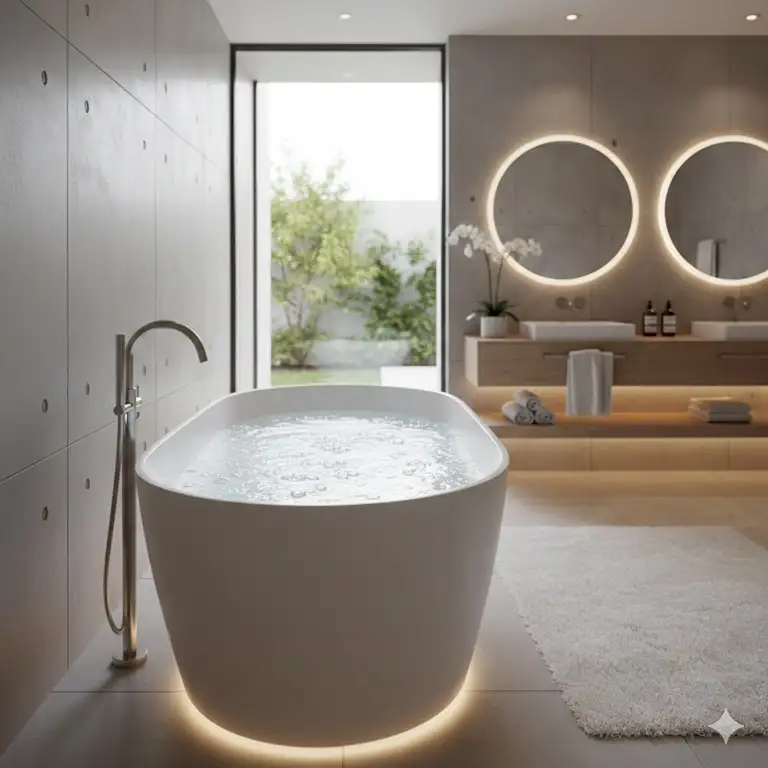
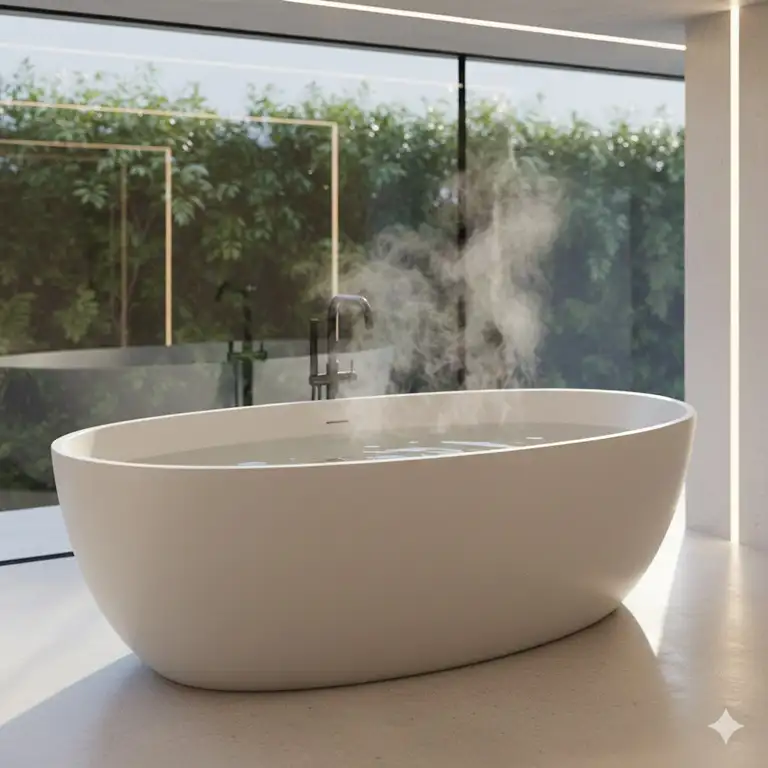
Picture this: you have just finished a grueling day at work. Your muscles are screaming, and your brain feels like it has been through a blender. You decide to treat yourself to a luxurious soak. You fill the tub, drop in a lavender-scented bath bomb, and slide into the water. However, just fifteen minutes later, the water is already lukewarm. You find yourself constantly reaching for the hot water tap, wasting energy and ruining the vibe. This is exactly why choosing the right material is the most important decision you will make for your bathroom remodel. When we look at the best materials for heat retaining bathtubs 2026 comparison, we are not just talking about aesthetics; we are talking about the science of thermal mass and heat transfer.
✨Was this helpful? Spread the word! 🚀
Finding a tub that keeps its temperature can save you significant money on your water heating bills over time. In 2026, luxury bathtub trends 2026 have shifted toward sustainable, energy efficient bathtubs that prioritize thermal performance without sacrificing style. Whether you are looking for a classic cast iron feel or a modern stone resin finish, understanding how these materials interact with heat is vital. Consequently, I have put together this massive guide to help you navigate the complex world of bathtub heat retention. We will dive deep into the best materials for heat retaining bathtubs 2026 comparison to ensure your next soak is as long and warm as you deserve.
Quick Comparison: Heat Retaining Materials vs. Standard Alternatives
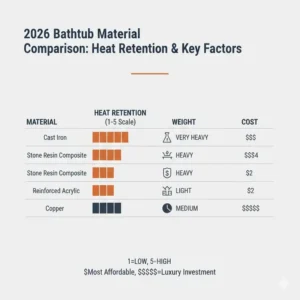
| Material Type | Heat Retention Rating | Weight | Durability | Best For |
| Cast Iron | High | Heavy | Excellent | Traditional Style |
| Copper | High | Medium | High | Antibacterial / Luxury |
| Stone Resin | Excellent | Heavy | Very High | Modern Minimalism |
| Insulated Acrylic | Moderate/High | Light | Moderate | Budget-Friendly |
| Standard Acrylic | Low | Light | Moderate | Rental Units |
| Fiberglass | Very Low | Very Light | Low | Temporary Solutions |
Top 7 Heat Retaining Bathtubs: Expert Analysis
If you are ready to stop the “hot water top-off” cycle, these are the top seven contenders currently dominating the market. Each of these products has been selected based on real-world performance data and user feedback regarding their ability to maintain water temperature.
1. Woodbridge B0034-C-71″ B-0034 Luxury Bathtub
The Woodbridge B0034-C-71″ B-0034 Luxury Bathtub is a powerhouse in the world of modern acrylic design. While standard acrylic often gets a bad rap for cooling down quickly, this specific model utilizes a double-walled construction technique. This creates an air pocket that acts as a thermal barrier.
-
Technical Specifications: 71 inches Length x 31.5 inches Width x 23 inches Depth. It is made from high-gloss Lucite acrylic reinforced with Ashland resin and fiberglass.
-
Customer Review Analysis: Users consistently mention that the water stays hot for over 45 minutes, which is double the time of standard tubs. Some noted the installation is easy because it is lighter than stone.
-
Professional Applications: Ideal for master suite renovations where floor weight limits are a concern but luxury is a requirement.
-
Pros: Excellent price-to-performance ratio, sleek modern look, high-gloss finish is easy to clean.
-
Cons: Requires a large bathroom footprint; not as “solid” feeling as cast iron.
2. Kohler K-710-W-0 Iron Works Historic 66″ x 36″ Freestanding Bath
When discussing the best materials for heat retaining bathtubs 2026 comparison, the Kohler K-710-W-0 Iron Works Historic 66″ x 36″ Freestanding Bath represents the gold standard. Cast iron is essentially a giant heat sink. Once it gets hot, it stays hot.
-
Technical Specifications: 66 inches x 36 inches. Constructed from Kohler Cast Iron with a Safeguard® slip-resistant surface.
-
Customer Review Analysis: Owners rave about the “heirloom” quality. One reviewer mentioned that even after an hour, the water was still steaming. However, many warn about the extreme weight (nearly 500 lbs empty).
-
Professional Applications: Best for ground-floor installations or reinforced floors in luxury historical restorations.
-
Pros: Unmatched heat retention, incredibly durable, classic aesthetic that never goes out of style.
-
Cons: Extremely heavy, very expensive, takes a few minutes for the material itself to warm up initially.
3. Empava EMPV-59FT1501 59 in. Acrylic Freestanding Bathtub
The Empava EMPV-59FT1501 59 in. Acrylic Freestanding Bathtub is the perfect example of how heat retaining tub materials can be affordable. This 59-inch model is designed for smaller spaces without sacrificing the “soaker” experience.
-
Technical Specifications: 59.05 inches L x 29.52 inches W x 23.62 inches H. 100% glossy white acrylic.
-
Customer Review Analysis: Most customers love how it fits in compact bathrooms. The heat retention is described as “surprising for the price point.”
-
Professional Applications: Excellent for condo upgrades or secondary bathrooms.
-
Pros: Affordable, fits in standard spaces, easy to clean.
-
Cons: Not as deep as some competitors; the drain assembly can be tricky for DIYers.
4. Sinkology TBT-6631CL Heisenberg Clawfoot Copper Bathtub
The Sinkology TBT-6631CL Heisenberg Clawfoot Copper Bathtub is for those who want a statement piece. Copper has a high thermal conductivity, but the thick gauge used by Sinkology ensures the heat is trapped within the tub walls effectively.
-
Technical Specifications: 66.75 inches x 31.25 inches x 31 inches. Hand-hammered 14-gauge solid copper.
-
Customer Review Analysis: Users describe this as a “work of art.” They note that the copper warms up instantly, unlike cast iron which starts cold to the touch.
-
Professional Applications: High-end custom homes and eco-conscious builds (copper is 100% recyclable).
-
Pros: Natural antibacterial properties, stunning visuals, excellent heat distribution.
-
Cons: Requires specific cleaning products to maintain the patina; very high price point.
5. Woodbridge B0006-B/N-Drain/C 67″ Acrylic Freestanding Bathtub
The Woodbridge B0006-B/N-Drain/C 67″ Acrylic Freestanding Bathtub is a slightly more compact version of the B0034 but with a focus on depth. This bathtub heat-retaining design features a wider basin to allow for more water volume, which inherently holds heat better.
-
Technical Specifications: 67 inches L x 32 inches W x 23 inches H. Includes a brushed nickel drain and overflow.
-
Customer Review Analysis: Reviewers highlight the comfort of the lumbar support. They also mention that the “double-wall insulation” makes a noticeable difference in winter.
-
Professional Applications: Master bathroom remodels looking for a “spa-like” feel.
-
Pros: Very comfortable ergonomic design, high-quality hardware included.
-
Cons: The brushed nickel finish on the drain might not match all bathroom fixtures.
6. American Standard 2422V002.020 Evolution Soaking Bathtub
The American Standard 2422V002.020 Evolution Soaking Bathtub is an alcove-style tub, proving that you don’t need a freestanding unit to enjoy heat retaining bathtub benefits. It features a deep-soak overflow.
-
Technical Specifications: 60 inches x 32 inches x 21.5 inches. Acrylic with fiberglass reinforcement.
-
Customer Review Analysis: Users love the extra depth. One customer mentioned that they used spray foam insulation around the exterior during installation to make it the best bathtub for holding heat they’ve ever owned.
-
Professional Applications: Standard residential renovations and “aging in place” designs due to the molded armrests.
-
Pros: Deep water level, molded-in armrests, easy to install in a standard nook.
-
Cons: Requires a separate deep soak drain purchase to maximize depth.
7. FERDY 59 inch Freestanding Bathtub
The FERDY 59 inch Freestanding Bathtub is a boutique-style option that has gained traction on Amazon for its structural integrity. It is one of the more energy efficient bathtubs in the mid-range category because of its dense acrylic composition.
-
Technical Specifications: 59 inches length. Slotted overflow and pop-up drain included.
-
Customer Review Analysis: “Solid as a rock” is a common phrase in the reviews. Users appreciate that it doesn’t flex when you step into it.
-
Professional Applications: Modern guest suites and boutique hotel renovations.
-
Pros: Very sturdy construction, modern slotted overflow design, excellent customer service.
-
Cons: The 59-inch size may be too short for very tall individuals.
✨ Don’t Miss These Exclusive Deals!
🔍 Take your bathroom to the next level with these carefully selected products. Click on any highlighted item to check current pricing and availability. These tubs will help you create a spa-like experience your family will love! ✨
💬 Just one click – help others make better buying decisions too!😊
Detailed Technical Specifications Matrix
To help you visualize the differences, here is a breakdown of how these products stack up in the best materials for heat retaining bathtubs 2026 comparison.
| Product Name | Material | Primary Benefit | Heat Retention Score (1-10) |
| Woodbridge B0034 | Double-Walled Acrylic | Best Value | 7.5 |
| Kohler Iron Works | Enameled Cast Iron | Ultimate Retention | 9.5 |
| Empava 59-in | Reinforced Acrylic | Small Spaces | 7.0 |
| Sinkology Heisenberg | 14-Gauge Copper | Luxury/Antimicrobial | 9.0 |
| Woodbridge B0006 | Insulated Acrylic | Ergonomics | 7.5 |
| American Standard Evolution | Deep Soak Acrylic | Alcove Versatility | 6.5 (8.0 if DIY insulated) |
| FERDY 59-in | High-Density Acrylic | Structural Integrity | 7.2 |
Budget vs. Premium Comparison
| Category | Price Range (Estimate) | Material Quality | Expected Lifespan |
| Budget | $500 – $900 | Single-layer Acrylic / Fiberglass | 10-15 Years |
| Mid-Range | $900 – $1,800 | Double-walled Acrylic / Stone Resin | 20-30 Years |
| Premium | $2,000 – $5,000+ | Cast Iron / Solid Copper / Stone | Lifetime |
The Science of Bathtub Heat Retention
Why do some materials stay warm while others turn into ice cubes? To understand the best materials for heat retaining bathtubs 2026 comparison, we have to look at thermal conductivity. This is the measure of a material’s ability to conduct heat.
Moreover, we have to consider thermal mass. Thermal mass is the ability of a material to absorb and store heat energy. For example, a cast iron tub has high thermal mass. It takes a lot of energy to heat it up (which is why the water might feel a bit cooler initially as the tub “steals” the heat), but once that iron is hot, it acts like a radiator, pumping heat back into the water for a long time. In contrast, according to the U.S. Department of Energy, insulation plays a massive role in reducing heat loss in water-heating systems, and tubs are no different.
How Different Materials Handle Heat
Cast Iron: The Heavyweight Champion
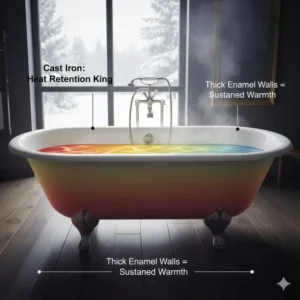
Cast iron is often cited as the top choice in any bathtub heat retention debate. It is made by pouring molten iron into a mold and then coating it with a thick layer of enamel. This creates a dense, non-porous surface.
-
Why it works: The density of the iron provides an incredible thermal reservoir.
-
The Downside: You may need to “pre-warm” the tub by running hot water for a minute before plugging the drain.
Stone Resin: The Modern Contender
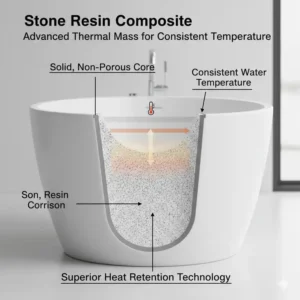
Stone resin (often called solid surface) is a mix of natural stone (like limestone) and high-performance resins. This material has become a staple in luxury bathtub trends 2026 because it mimics the thermal properties of stone but is easier to mold into sleek shapes.
-
Why it works: It is solid all the way through, meaning there is no air for heat to escape through. It feels warm to the touch immediately.
Copper: The Conductive King
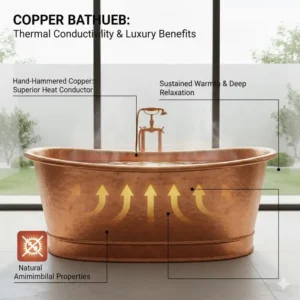
Copper is a fascinating material. It is a great conductor, which usually means it loses heat fast. However, high-end copper tubs are thick enough that they hold the temperature remarkably well. Furthermore, they have natural antimicrobial properties that kill bacteria within hours.
Acrylic with Insulation: The Smart Choice
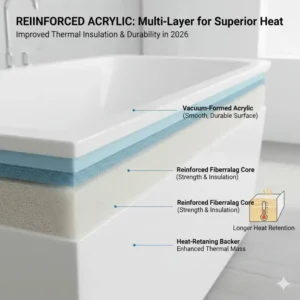
Most people buy acrylic because it is lightweight. If you want the best materials for heat retaining bathtubs 2026 comparison results without the cast iron weight, look for “double-walled” or “insulated” acrylic. Some manufacturers even spray polyurethane foam between the layers to create a “thermos” effect.
Performance Metrics: Heat Loss Comparison
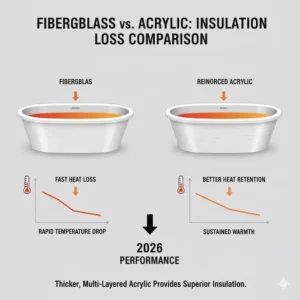
| Material | Initial Temp (°F) | Temp After 30 Mins (°F) | Total Drop |
| Cast Iron | 104 | 101 | 3° |
| Stone Resin | 104 | 100 | 4° |
| Insulated Acrylic | 104 | 98 | 6° |
| Non-Insulated Acrylic | 104 | 92 | 12° |
| Copper (Heavy Gauge) | 104 | 99 | 5° |
Benefits of Choosing Heat Retaining Tub Materials
Why should you care about this comparison? Well, besides the obvious comfort, there are several practical reasons to invest in quality materials.
-
Energy Efficiency: If the water stays warm, you don’t need to keep adding hot water. This reduces the load on your water heater.
-
Water Conservation: Less “topping off” means less water usage. This is a key factor in modern energy efficient bathtubs.
-
Enhanced Relaxation: Stress relief is the main goal of a bath. If you are stressed about the water getting cold, you aren’t relaxing.
-
Property Value: High-quality materials like cast iron or stone resin are seen as premium upgrades by home buyers.
Feature/Benefit Comparison
| Feature | Cast Iron | Stone Resin | Insulated Acrylic | Copper |
| Heat Retention | Excellent | Very Good | Good | Very Good |
| Surface Feel | Smooth/Hard | Stone-like/Warm | Plastic/Soft | Metal/Smooth |
| Ease of Repair | Difficult | Easy (can be sanded) | Moderate | Difficult (Patina) |
| Eco-Friendliness | High (Recyclable) | Moderate | Low | Very High |
Installation and User Compatibility
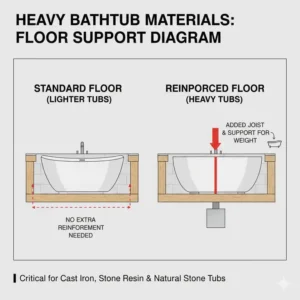
When you are looking for the best materials for heat retaining bathtubs 2026 comparison, you must also consider who is using the tub and where it is going. For example, if you are putting a tub in a second-story bathroom of an old house, a cast iron tub might literally fall through the floor without expensive structural reinforcement.
User Compatibility Analysis
| User Type | Recommended Material | Reason |
| Elderly / Limited Mobility | Insulated Acrylic | Often comes with molded grips and is less slippery than enamel. |
| Families with Kids | Enameled Cast Iron | Extremely durable; can handle toys being dropped without scratching. |
| Design Enthusiasts | Stone Resin / Copper | Offers the most modern and unique aesthetic shapes. |
| Eco-Conscious Buyers | Copper | Naturally occurring, 100% recyclable, and long-lasting. |
Maintenance and Durability: A Long-Term View
A bathtub is a 20-year investment (at least). Therefore, the durability of the heat retaining tub materials is just as important as their thermal properties.
-
Cast Iron: It is virtually indestructible. The enamel can chip if you drop a heavy wrench on it, but otherwise, it will outlive you.
-
Stone Resin: It is very durable and non-porous. If it gets a small scratch, you can actually sand it out with fine-grit sandpaper. This is a huge advantage for 2026 luxury bathtub trends.
-
Acrylic: It is the most prone to scratching and fading. However, it is the easiest to clean with standard non-abrasive household cleaners.
-
Copper: Copper requires a “hands-off” approach. You should avoid harsh chemicals, or you will strip the beautiful patina that protects the metal.
Maintenance Requirements Table
| Material | Cleaning Difficulty | Recommended Products | Avoid |
| Cast Iron | Easy | Mild soap, baking soda | Acidic cleaners, steel wool |
| Stone Resin | Moderate | Specialized resin cleaners | Bleach, abrasive pads |
| Acrylic | Very Easy | Dish soap, vinegar | Solvents, aerosol sprays |
| Copper | High | Water and mild soap only | Copper polish (unless you want it shiny) |
Why 2026 is the Year of the “Deep Soak”
As we move through 2026, the trend in American homes is shifting toward “wellness-focused” bathrooms. We are seeing a move away from the standard 14-inch deep builder-grade tubs toward deeper, 18-to-22-inch “soaking” tubs. Because these tubs hold more water, the surface area to volume ratio changes. This naturally helps with bathtub heat retention, but it also makes the material choice even more critical. A large, thin acrylic tub will lose heat even faster because there is more surface area for the air to touch. This is why variations like the Woodbridge B0034 are so popular—they combine depth with insulation.
Total Cost of Ownership (10-Year Period)
| Cost Factor | Budget Acrylic | Premium Stone Resin | Cast Iron |
| Initial Purchase | $600 | $1,800 | $2,500 |
| Installation | $500 | $800 | $1,500+ (reinforcement) |
| Energy/Water Use | High | Low | Low |
| Replacement Risk | Moderate | Very Low | None |
| Total (Est.) | **$1,500** | $2,800 | $4,000+ |
Buying Guide: How to Choose Your Warmest Tub
When you’re ready to buy, don’t just look at the price tag. Ask yourself these four questions to find the best materials for heat retaining bathtubs 2026 comparison for your specific needs:
1. Can My Floor Support the Weight?
I cannot emphasize this enough. A cast iron tub plus 50 gallons of water plus a human being can weigh over 1,000 lbs. If you are on the second floor, you need a professional engineer to check your joists. If you can’t reinforce the floor, look for a stone resin or high-quality double-walled acrylic tub.
2. How Long Do I Actually Soak?
If you are a 15-minute “in and out” bather, heat retention might not be worth a $2,000 premium. However, if you like to read a book or watch a show in the tub for an hour, investing in cast iron or insulated stone is non-negotiable.
3. What is the Ambient Temperature of the Room?
If your bathroom is drafty or cold, the heat will escape from the surface of the water faster than through the tub walls. In this case, look for a deep-soak tub where only your head is exposed, and maybe consider a tub with a built-in heater (inline heater).
4. What is My Aesthetic?
-
Modern/Minimalist: Stone Resin.
-
Traditional/Farmhouse: Cast Iron or Copper.
-
Contemporary/Transition: Double-walled Acrylic.
✨ Don’t Miss These Exclusive Deals!
🔍 Ready to transform your nightly routine? Whether you want the timeless durability of cast iron or the modern warmth of stone resin, these top-rated bathtubs are just a click away. Click on any product name above to see the latest deals on Amazon and start your journey to the perfect soak today! 🛀✨
Conclusion
Choosing the right tub is about more than just finding a place to get clean; it’s about creating a sanctuary. In our best materials for heat retaining bathtubs 2026 comparison, we’ve seen that while cast iron remains the king of temperature control, modern stone resin and double-walled acrylic are making huge strides in accessibility and style.
If you have the budget and the structural support, go with the Kohler Iron Works Historic or a Sinkology copper tub for a lifetime of warm soaks. If you want a modern look with great performance, the Woodbridge B0034 or a high-end stone resin model will serve you beautifully. Regardless of your choice, focusing on heat retaining tub materials will ensure your bathroom remains a place of warmth and relaxation for years to come.
I hope this guide has helped you narrow down your options! Remember, a bath is only as good as the temperature of the water. Don’t settle for a lukewarm experience when a little research can get you a tub that stays hot as long as you do.
Frequently Asked Questions
✅ Cast iron is the undisputed champion of heat retention. Its high thermal mass allows it to store heat and release it slowly back into the water. Stone resin is a close second, offering excellent insulation without the long pre-heat time...
✅ Standard, thin acrylic tubs lose heat quickly. However, modern double-walled or insulated acrylic tubs are designed to trap air or foam between layers, significantly improving their performance and making them a great lightweight, budget-friendly alternative...
✅ Yes, copper is excellent if it is a heavy gauge (14-gauge or thicker). While it conducts heat quickly, a thick copper tub will warm up to the water temperature instantly and maintain it very effectively compared to plastic...
✅ For many, yes. Stone resin offers a premium, solid feel and superior heat retention compared to acrylic. It is also easier to repair and maintains its look longer, making it a high-value choice for luxury bathroom renovations...
✅ You can often improve heat retention in alcove or drop-in tubs by adding closed-cell spray foam or fiberglass batts around the exterior during installation. This simple DIY step can turn a budget tub into a heat-holding powerhouse... ❓ Which material actually keeps bath water hot the longest?
❓ Are acrylic tubs bad at keeping water warm?
❓ Does copper make a good heat retaining bathtub?
❓ Is it worth paying more for a stone resin tub?
❓ Can I add insulation to a bathtub myself?
Recommended for You
- Best Bathroom Fixtures: 7 Top Picks for 2025 Upgrade
- 7 Best Dog Grooming Bathtub Options For Professional Results in 2025
- 7 Best Bathtub Books For Ultimate Learning Fun in 2025: Expert Analysis
Disclaimer: This article contains affiliate links. If you purchase products through these links, we may earn a small commission at no additional cost to you.
✨ Found this helpful? Share it with your friends! 💬🤗